.jpg)

.svg)
.svg)
.svg)
Your competitor just sent an email at 9:17 a.m., and by 9:32 they closed three sales while you were still refreshing ad dashboards. That gap is not luck. It is control over a channel they own.
Email marketing is not just about newsletters or offers. It drives repeat purchases, reduces ad dependency, lifts lifetime value, and brings back silent subscribers at almost zero extra cost. Yet most brands use barely ten percent of what it can actually do.
These 40 Proven Pros of Email Marketing Most Businesses Overlook reveal where real leverage hides, in segmentation, automation timing, behavioral triggers, retention loops, and quiet revenue streams that compound month after month.
40 Pros Of Email Marketing Across Different Business Areas
The pros of email marketing vary depending on how different business areas use it. From revenue-driven teams to support functions, email adapts to specific operational needs while maintaining consistency and control.
This section outlines how email marketing delivers distinct advantages across business models and use cases.
1. Lead Generation And List Growth
Email marketing captures contact access from anonymous visitors and converts it into owned distribution. This transforms temporary website traffic into a reusable audience asset that compounds over time. The focus here is acquisition of permission, not engagement or revenue.
Why It Matters
Audience ownership reduces dependence on external platforms.
Key Pros
- Converts traffic into owned subscriber assets
- Captures first-party contact data
- Reduces reliance on paid traffic sources
- Builds scalable communication reach
Example
A fitness brand offers a free guide in exchange for email sign-up, creating a growing list independent of ads.
2. Lead Nurturing And Relationship Development
Once a lead joins the list, nurturing builds familiarity and trust before any transaction occurs. This stage focuses on education and positioning, not onboarding or conversion triggers.
Why It Matters
Trust reduces hesitation during later purchase decisions.
Key Pros
- Builds authority through structured education
- Maintains top-of-mind presence
- Increases perceived expertise
- Prepares leads for future sales outreach
Example
A SaaS brand sends weekly educational emails that explain industry challenges before introducing product solutions.
3. User Onboarding And Activation
Onboarding begins after sign-up or purchase. Its goal is product adoption, not persuasion. This stage ensures users understand how to use what they already committed to.
Why It Matters
Activation increases the likelihood of long-term retention.
Key Pros
- Guides users through initial setup
- Encourages first meaningful action
- Reduces early confusion
- Improves early engagement metrics
Example
An online platform sends step-by-step setup emails after account creation.
4. Conversion And Immediate Revenue
Conversion emails target ready-to-buy behavior. Unlike nurturing, this stage responds to active intent and prompts direct action.
Why It Matters
Intent-based messaging increases transaction efficiency.
Key Pros
- Targets behavior-driven buying signals
- Recovers abandoned purchase sessions
- Prompts timely decision-making
- Generates measurable short-term revenue
Example
An ecommerce store sends a cart reminder within hours of abandonment.
5. Customer Retention And Repeat Revenue
Retention focuses on keeping paying customers engaged after purchase. This stage aims to increase frequency and lifetime value, not initial sales.
Why It Matters
Repeat revenue stabilizes business growth.
Key Pros
- Encourages recurring purchases
- Reinforces post-purchase value
- Strengthens ongoing brand loyalty
- Increases lifetime customer contribution
Example
A subscription brand sends monthly product updates to reduce cancellations.
6. Reactivation And Revenue Recovery
Reactivation addresses disengaged customers. This is recovery, not retention or acquisition. The focus is reclaiming lost momentum.
Why It Matters
Winning back existing contacts costs less than new acquisition.
Key Pros
- Identifies inactive segments
- Recovers lost revenue potential
- Re-engages past buyers
- Improves overall list vitality
Example
A retailer sends a reactivation campaign to customers inactive for 90 days.
7. Brand Reinforcement And Market Positioning
Brand reinforcement focuses on identity consistency rather than transactions. It ensures subscribers associate specific value and positioning with the brand.
Why It Matters
Clear positioning increases long-term preference.
Key Pros
- Reinforces brand identity
- Shapes audience perception
- Communicates thought leadership
- Maintains consistent narrative control
Example
A media company sends curated editorial content aligned with its niche positioning.
8. Transactional Trust And Operational Clarity
Transactional communication ensures reliability during operational interactions. This stage supports service experience, not marketing persuasion.
Why It Matters
Operational clarity builds credibility.
Key Pros
- Confirms transactions instantly
- Provides accurate order updates
- Reduces post-purchase anxiety
- Strengthens reliability perception
Example
An airline sends confirmation emails with detailed flight information.
9. Ecommerce Revenue Optimization
This category focuses specifically on retail mechanics such as basket value and purchase frequency. It differs from general conversion by optimizing revenue depth.
Why It Matters
Revenue per customer increases through structured follow-ups.
Key Pros
- Promotes cross-sell opportunities
- Encourages upsell pathways
- Increases average order value
- Stimulates repeat seasonal purchases
Example
An online store sends personalized product recommendations based on browsing history.
10. SaaS And Subscription Lifecycle Expansion
This section focuses on subscription engagement depth and feature adoption, not onboarding or conversion. It strengthens recurring revenue models.
Why It Matters
Higher usage reduces churn risk.
Key Pros
- Encourages deeper feature utilization
- Promotes consistent product interaction
- Supports proactive renewal communication
- Expands account value over time
Example
A SaaS platform sends usage milestone emails that highlight underused features.
These ten categories show how email marketing supports acquisition, activation, revenue, and retention in distinct ways. Each advantage becomes stronger when used with structure rather than impulse.
Understanding the advantages is the first layer. The next step is building a clear system that puts them into practice with consistency and precision.
A Step-By-Step Framework To Implement Email Marketing Effectively
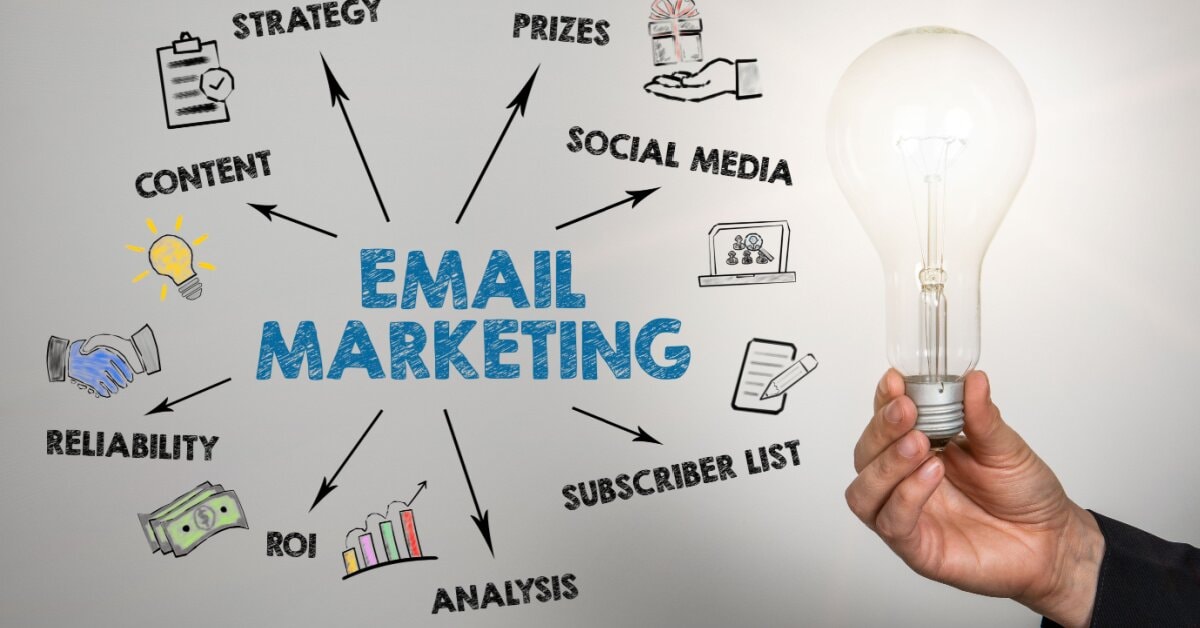
Email marketing becomes effective when it runs like a system, not a set of random sends. Studying effective email marketing campaigns and how they are structured helps you see what that system looks like in practice. These ten steps turn the advantages you listed earlier into repeatable execution, so every email has a job, a target, and a measurable outcome.
1. Define A Clear Email Marketing Objective
Most email programs fail because they try to do everything at once. Pick one primary objective per cycle, then build every send around that outcome.
How To Do It Right
- Choose one priority, revenue, retention, activation, or leads
- Write the objective as a measurable result, not a vague intention
- Tie each campaign or flow to that same outcome
Example
An ecommerce brand sets one objective for the month, recover abandoned carts, and builds every email around that recovery path.
2. Build A Quality, Permission-Based Subscriber List
A list is only valuable when people actually want what you send. Permission-based growth protects deliverability and improves engagement from the start.
How To Do It Right
- Use clear opt-in language and set expectations
- Offer a relevant lead magnet that matches your product
- Double opt-in if list quality matters more than speed
What To Avoid
- Buying lists or importing scraped contacts
- Running giveaways that attract freebie hunters only
3. Segment Your Audience Based On Behavior And Stage
Segmentation is where “email” becomes “relevance.” It ensures the right message reaches the right person at the right moment, without blasting everyone.
How To Do It Right
- Segment by lifecycle stage, new, active, repeat, inactive
- Segment by behavior, viewed, clicked, bought, abandoned
- Keep segments simple enough to maintain consistently
Example
A SaaS brand separates trial users into “activated” and “not activated,” then sends different onboarding sequences to each group.
4. Design Core Lifecycle Email Flows
Flows create reliable outcomes because they run automatically and respond to user timing. Campaigns create spikes, flows create stability.
How To Do It Right
- Start with the essentials, welcome, onboarding, abandonment, win-back
- Map one clear goal for each flow before writing emails
- Set basic exit rules, so buyers stop receiving pre-purchase emails
What To Avoid
- Building too many flows before you have baseline data
- Letting flows run without review for months
5. Establish A Consistent Sending Structure
Consistency trains your audience and protects your deliverability. Random bursts teach inbox providers and subscribers to ignore you.
How To Do It Right
- Choose a realistic frequency you can sustain
- Separate flows from campaigns so they do not collide
- Use a simple calendar, weekly newsletter plus one campaign
6. Create Value-Driven Email Content
Effective emails earn attention before they ask for action. Value can be practical guidance, clear product utility, or decision support, and it is reinforced when you deliberately use the core components of effective emails to structure every message.
How To Do It Right
- Lead with one clear point per email
- Use specific language, avoid broad claims
- Make the next step obvious, click, reply, buy, book, especially in your follow-up sales emails
What To Avoid
- Long intros and generic motivation
- Multiple competing CTAs in one email
Example
A coaching business sends one weekly email that answers one common customer question, then links to a relevant offer.
7. Set Up Automation For Key Triggers
Triggers turn email into real-time marketing. They react to user behavior when intent is highest, which increases conversions without extra effort.
How To Do It Right
- Trigger based on actions, sign-up, view, cart, purchase, inactivity
- Keep timing tight, especially for carts and browsing
- Write emails as responses, not announcements
8. Align Email With Revenue And Sales Goals
Email works best when it supports how your business earns money. A service business needs booked calls, SaaS needs adoption, ecommerce needs repeat purchases.
How To Do It Right
- Match flows to your funnel stages
- Connect offers to the buyer’s current intent level
- Coordinate with sales if leads require human follow-up
Example
A B2B service uses email to qualify leads, then routes high-intent replies to a sales call calendar.
9. Track The Metrics That Indicate Real Progress
Open rates can be useful, but they are not the outcome. Track critical email marketing metrics that reflect revenue, retention, and behavioral movement.
How To Do It Right
- Track clicks and conversions by segment, not overall averages
- Monitor flow-level performance, welcome, cart, win-back
- Watch deliverability signals, bounces, spam complaints, unsubscribes
What To Avoid
- Declaring success based only on opens
- Ignoring performance differences across segments
10. Continuously Optimize Based On Performance Data
Optimization is not endless tweaking, it is targeted improvement. Use performance signals to refine one variable at a time.
How To Do It Right
- Improve one lever per cycle, subject line, offer, timing, segment, and refine follow-up email subject lines so they consistently earn opens
- Keep a simple change log so you learn faster
- Retire emails that underperform consistently
Example
An ecommerce brand tests send time for cart recovery and keeps the version that produces more completed checkouts.
Knowing the steps is useful, but the real lift comes from avoiding the mistakes that quietly weaken execution even when the strategy looks right. That is the next layer worth tightening.
Common Mistakes That Weaken Email Marketing Performance
Email marketing breaks down in predictable ways. The strategy may look solid, the tool may be set up, and the list may be growing, yet results stay flat because small execution errors compound quietly. Fixing these five mistakes restores clarity, relevance, and performance.
1. Sending Emails Without A Clear Goal
When an email tries to educate, sell, announce, and nurture at the same time, it becomes easy to ignore. A single email needs one primary job, so the reader knows what to do next.
How To Fix It
- Choose one goal per email, click, purchase, reply, or activation
- Make the CTA match the goal, not the topic
- Track success using one metric tied to that goal
2. Ignoring Audience Segmentation
A single message sent to everyone forces you to write vague emails. Segmentation solves that by letting you write for a specific situation, which increases clicks, conversions, and long-term engagement.
How To Fix It
- Segment by lifecycle stage, new, active, repeat, inactive
- Segment by intent signals, viewed, clicked, abandoned, purchased
- Keep segments simple enough to update automatically
Example
A SaaS brand sends feature tips to activated users and a setup checklist to users who never completed onboarding.
3. Sending Too Many Promotions Without Real Value
Promotions work best when they arrive after trust has been earned. When every email pushes an offer, subscribers disengage, inbox placement weakens, and revenue drops over time.
How To Fix It
- Maintain a value-to-offer balance your audience can trust
- Use promotions when intent is present, not on a fixed schedule
- Make offers more specific, match them to a segment and moment
4. Being Inconsistent With Timing And Frequency
Inconsistent sending creates unstable engagement patterns. Subscribers do not build a habit, and inbox providers receive mixed signals, which can reduce deliverability and visibility.
How To Fix It
- Choose a frequency you can sustain for months
- Separate automated flows from campaign sends to avoid collisions
- Use a simple calendar, one core newsletter rhythm plus targeted campaigns
5. Ignoring Performance Data And List Hygiene
A list that is never cleaned becomes an invisible drag on results. Low engagement segments pull down deliverability, and weak inbox placement affects even your best campaigns.
How To Fix It
- Track clicks and conversions by segment, not only overall averages
- Remove or suppress consistently inactive subscribers
- Monitor bounce rates, spam complaints, and unsubscribe patterns
Example
An ecommerce store suppresses subscribers who have not opened in 120 days, then runs a focused win-back campaign for those who still click.
These mistakes are simple, but they carry real cost when they repeat across months of sends. Once you remove them, the next move becomes easier, build answers for the exact questions buyers and teams ask next.
FAQs
1. How Do Email Marketing Tools Support Day-To-Day Campaign Execution?
They streamline routine tasks like scheduling emails, segmenting audiences, automating follow ups, tracking performance, and personalizing content. This helps teams work faster, avoid manual errors, and maintain consistent communication when all seven essential components of an email are in place.
2. How Does Email Marketing Fit Within The Broader Digital Marketing Ecosystem?
It acts as the owned channel that connects all other channels, leveraging the key advantages of email communication. Traffic from social, search, and ads can be captured through email sign ups, and email then nurtures, educates, and converts those users over time. It strengthens every stage of the digital journey.
3. What Are The Benefits Of Email Marketing For Small Teams With Limited Budgets?
It is cost efficient, easy to scale, and does not require constant spending to stay visible. A small team can automate key workflows, keep audiences engaged, and drive conversions without heavy resource use by focusing on the fundamental elements of effective email communication.
4. How Can Businesses Protect Deliverability And Trust When Growing Your Email Audience?
By using clean opt in forms, removing inactive contacts, avoiding spam triggers, sending relevant content, and maintaining consistent sending patterns. These steps keep inbox placement strong and preserve trust, especially when you optimize the essential components of an email for clarity and credibility.
5. What Makes A High-Quality Email List More Valuable Than A Large One?
High quality lists include people who actually want the emails, engage with them, and take action. This leads to better conversions, stronger relationships, and reliable long term performance, even with fewer subscribers, particularly when every message uses the three main components of an email effectively.
Conclusion
Email only delivers results when it is treated as infrastructure, not a side task. The pros of email marketing become real when you connect them to clear goals, structured flows, and consistent execution.
Choose one area, acquisition, activation, retention, or revenue, and strengthen it with focus. Precision in one part of the system often improves the rest faster than scattered effort ever could.