.png)

.svg)
.svg)
.svg)
Your dashboard shows traffic, impressions, and engagement, yet revenue still feels inconsistent. Activity exists, but it lacks focus and urgency.
Traditional marketing plans spread effort across months, while buyers respond to clear triggers in real time. That mismatch is where focused campaign ideas quietly outperform broad planning cycles.
These 10 campaign ideas are built around measurable goals, defined audiences, and short feedback loops. Each one turns attention into action, and action into revenue.
Why Traditional Marketing Plans Lose Momentum Fast?
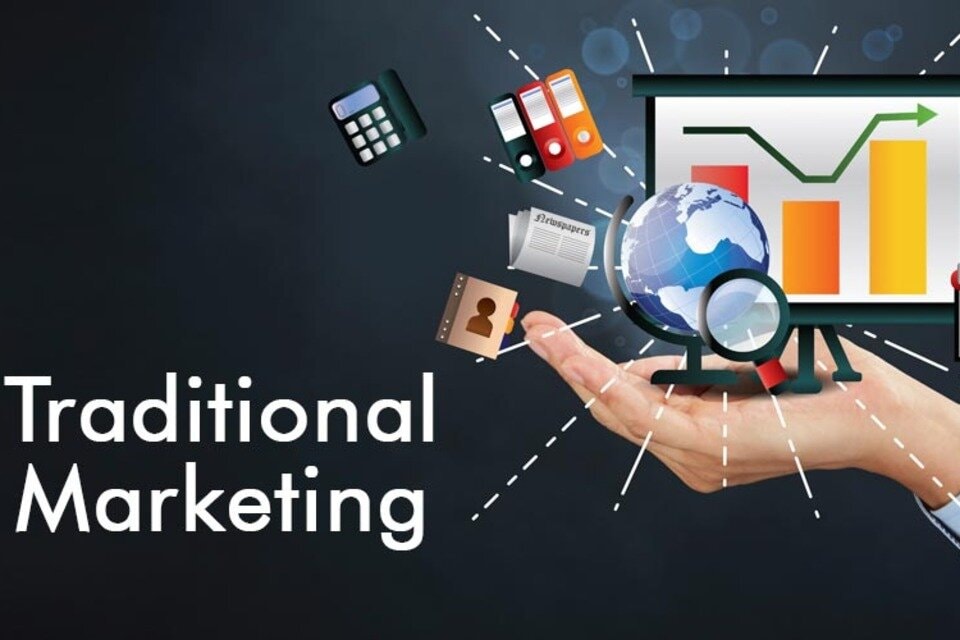
Traditional marketing plans lose speed because they are built for coordination, not conversion. They reward planning comfort, then punish you later with slow feedback and unclear impact.
What Usually Breaks First
- Time Horizons Drift: Quarterly timelines hide weak offers and unclear messaging until it is too late.
- Ownership Gets Blurry: When everyone contributes, no one drives a measurable outcome.
- Channel Silos Form: Social, email, paid, and content move in parallel, not in sequence.
- Feedback Arrives Late: Insights come after weeks of spend, not after days of learning.
- Success Metrics Get Soft: “Awareness” becomes a safe label when pipeline does not move.
How Momentum Actually Dies
- A team launches five assets across three channels, but none shares one clear conversion goal.
- A campaign gets clicks, yet sales calls still hear, “I did not understand what you do.”
- A calendar stays full, while retargeting and follow-up are left as “phase two.”
Example
A B2B team runs a month-long content push, but skips a clear offer and retargeting. Traffic rises, demos stay flat, and the plan looks “busy” without proof.
The real shift begins when you replace calendar-driven activity with performance-driven structure, and that structure is defined by a few specific factors that consistently separate strong campaigns from average ones.
Key Factors Behind High-Impact Campaign Ideas
High-impact campaign ideas do not win because they are creative. They win because they are built on a few repeatable drivers that force clarity, speed, and measurable action.
When these factors are present, execution becomes easier and performance becomes predictable. When they are missing, even strong visuals and copy struggle to move revenue.
1. One Measurable Outcome
A campaign needs a single primary result, so every asset pushes in the same direction.
- Pick one core metric, demos booked, qualified leads, trial starts, or purchases.
- Define success with a number and a time window.
- Keep secondary metrics as diagnostics, not goals.
Example
If the goal is “500 leads,” the campaign can drift. If the goal is “60 qualified demos in 21 days,” it stays sharp.
2. A Specific Audience Trigger
Strong campaigns start from a real decision moment, not a broad persona.
- Tie the message to a situation, a deadline, a fear, or a desire.
- Use language the buyer already uses when they search or complain.
- Focus on one segment, not everyone at once.
3. A Clear Offer With Low Friction
The offer is what converts attention into action, not the format of the campaign.
- Make the next step obvious, one CTA, one path.
- Remove unnecessary form fields and steps.
- Match the offer to intent, high intent gets direct conversion, low intent gets value first.
Example
Cold traffic converts better on a checklist or calculator. Warm traffic converts better on a demo or trial.
4. Distribution Designed Before Creative
If distribution is vague, performance becomes luck.
- Choose 1 to 2 primary channels you can win on.
- Plan retargeting and follow-up from day one.
- Align timing, spend, and content cadence to the same goal.
5. Fast Feedback Loops
Strong campaigns check results early and adjust quickly to improve performance.
- Set a test window of 7 to 14 days.
- Track drop-offs, headline CTR, landing conversion, and lead quality.
- Change one variable at a time, message, offer, or audience.
6. Proof That Reduces Doubt
Buyers hesitate when they cannot predict outcomes. Proof shortens that hesitation.
- Add testimonials, before-after results, or case snippets near the CTA.
- Use comparisons that make the benefit tangible.
- Show the “how” briefly, not just the promise.
Example
“Reduced onboarding time from 14 days to 5” lands harder than “faster onboarding.”
These drivers make campaigns outperform because they remove ambiguity at every step. Next, we apply them directly to the 10 campaign ideas, so you can pick one and execute with confidence.
10 Campaign Ideas Build on key Factors Outperforming Traditional Marketing Plans

Each of the 10 campaign ideas below is built on clear goals, defined audiences, and measurable conversion paths. That structure is what allows them to outperform broader, slower planning models. For more insights on effective marketing campaigns, including key elements and successful examples, see this guide.
1. Product Launch
A product launch concentrates attention into a defined window. It aligns messaging, urgency, and distribution around one measurable goal.
Why It Outperforms Traditional Marketing Plans
- Creates urgency with a fixed release moment
- Aligns teams around one conversion target
- Generates fast performance feedback
Example
Apple structures every iPhone release as a high-impact launch event. Scarcity, pre-orders, and synchronized media coverage convert attention into immediate revenue.
How To Apply It
- Define one launch window with a clear deadline
- Build one focused landing page with a single CTA
- Plan email and retargeting before launch day
2. Lead Generation
Lead generation campaigns exchange value for contact information. They convert attention into measurable pipeline.
Why It Outperforms Traditional Marketing Plans
- Converts traffic into trackable leads
- Allows optimization through cost and quality
- Connects directly to sales follow-up
Example
HubSpot scaled through free tools and gated resources that consistently fed qualified leads into its CRM.
How To Apply It
- Create one high-value offer tied to a clear pain point
- Use a focused landing page with minimal friction
- Connect leads immediately to email or sales follow-up
3. Limited-Time Promotion
Limited-time promotions accelerate decisions by introducing urgency. A deadline shifts behavior.
Why It Outperforms Traditional Marketing Plans
- Increases short-term conversion rate
- Creates measurable revenue spikes
- Activates existing audiences quickly
Example
Amazon Prime Day compresses massive revenue into a short time frame through urgency and exclusive deals.
How To Apply It
- Set a clear start and end date
- Focus messaging on one strong benefit
- Amplify through email and retargeting
4. Retargeting
Retargeting focuses on people who already showed interest. It improves efficiency without increasing reach.
Why It Outperforms Traditional Marketing Plans
- Converts warm audiences at lower cost
- Reinforces brand familiarity
- Addresses objections with precision
Example
Booking.com retargets visitors with dynamic listings based on prior searches, increasing booking completion rates.
How To Apply It
- Segment visitors by behavior
- Show tailored ads that match prior interest
- Add proof or incentives in follow-up messaging
5. Email Nurture
Email nurture sequences guide prospects through structured communication. Trust builds before commitment.
Why It Outperforms Traditional Marketing Plans
- Personalizes communication at scale
- Moves leads through defined stages
- Improves demo and trial conversion
Example
Grammarly uses behavior-based email sequences to convert free users into premium subscribers.
How To Apply It
- Design a short sequence answering key objections
- Trigger emails based on user actions
- Include proof and clear next steps in every message
6. Referral Marketing
Referral marketing turns satisfied customers into promoters. Trust transfers quickly between peers.
Why It Outperforms Traditional Marketing Plans
- Lowers acquisition cost
- Increases trust before first interaction
- Improves lifetime value
Example
Dropbox accelerated growth by offering storage rewards for successful referrals.
How To Apply It
- Offer a clear incentive for both referrer and friend
- Make sharing simple with built-in links
- Promote referrals inside onboarding and post-purchase emails
7. Influencer Marketing
Influencer marketing leverages established audience trust. It blends credibility with reach.
Why It Outperforms Traditional Marketing Plans
- Reaches niche audiences efficiently
- Feels native instead of interruptive
- Produces reusable creative assets
Example
Gymshark scaled globally by partnering with fitness creators aligned with its brand identity.
How To Apply It
- Select creators whose audience matches your buyer
- Provide a clear offer or discount code
- Repurpose high-performing content into paid ads
8. Brand Awareness
Brand awareness builds familiarity that strengthens future conversion. Recognition increases response rates.
Why It Outperforms Traditional Marketing Plans
- Increases recall across channels
- Reduces friction in buying decisions
- Strengthens downstream campaigns
Example
Coca-Cola maintains recurring brand storytelling that reinforces global recognition and purchasing behavior.
How To Apply It
- Focus on one consistent brand message
- Repeat across key channels with frequency
- Measure lift in branded search and assisted conversions
9. Account-Based Marketing
Account-based marketing targets high-value prospects with precision. It prioritizes depth over volume.
Why It Outperforms Traditional Marketing Plans
- Aligns sales and marketing
- Personalizes outreach for decision-makers
- Increases deal size and close rate
Example
Salesforce uses tailored enterprise outreach to accelerate large contract closures.
How To Apply It
- Identify a shortlist of high-value accounts
- Personalize messaging based on role and industry
- Combine email, LinkedIn, and sales outreach
10. Customer Retention
Customer retention maximizes revenue from existing customers. Growth compounds through loyalty.
Why It Outperforms Traditional Marketing Plans
- Raises lifetime value
- Reduces churn
- Fuels referrals and advocacy
Example
Netflix increases retention through personalized recommendations and consistent content releases.
How To Apply It
- Monitor usage or purchase patterns
- Trigger reminders, upgrades, or loyalty incentives
- Collect and amplify customer proof
Campaign Ideas Comparison At a Glance
Each of these campaign ideas works when it aligns with how your business earns revenue and how your buyers make decisions. The real advantage comes from choosing the one that fits your model, your sales cycle, and your resources.
Steps To Choose The Right Campaign Idea For Your Business Model
Choosing the right campaign idea is a strategy decision, not a creative one. The best fit depends on how your business earns revenue, how buyers decide, and what your team can execute consistently.
Use these steps to pick one campaign type that matches your model, then run it with clarity instead of spreading effort across ten directions.
1. Define Your Primary Revenue Goal
Every campaign must serve one clear financial outcome. Without a defined revenue target, execution drifts into visibility and engagement without conversion.
What To Decide
- The primary metric, demos, purchases, renewals, or upgrades
- A numeric target tied to a timeline
- A success threshold that defines scale readiness
Example
If your goal is 40 qualified demos in 30 days, lead generation or ABM fits better than broad awareness.
2. Map Your Buyer Journey And Sales Cycle
Campaign selection depends on how long buyers take to decide. Short cycles need urgency. Longer cycles need education and trust.
What To Examine
- Discovery to decision timeline
- Key objections during evaluation
- Decision makers involved in approval
Fit Insight
Short cycles align with promotions and retargeting. Longer cycles align with nurture and ABM.
3. Identify Your Audience Trigger And Urgency Level
Strong campaigns respond to a live problem, not a general interest. The trigger defines the message and timing.
What To Clarify
- The moment pain becomes urgent
- The event that forces reconsideration
- The search terms or language buyers use
Example
A funding announcement creates urgency for SaaS tools that support scaling teams.
4. Assess Your Budget And Resource Capacity
Execution strength determines campaign success. Choose a format your team can sustain with quality.
What To Review
- Available budget for paid distribution
- Content and creative capacity
- Sales team bandwidth for follow-up
Low resources favor email nurture and referral. Larger budgets can support influencer and brand awareness pushes.
5. Evaluate Channel Strength And Distribution Access
Campaign ideas depend on distribution clarity. Strong channels increase return without increasing complexity.
What To Audit
- Owned assets, email lists, organic traffic, communities
- Paid channels with proven efficiency
- Retargeting coverage and tracking setup
Campaigns perform better when distribution is planned before creative production.
6. Match Campaign Type To Your Business Model
Revenue model shapes campaign logic. Subscription, enterprise, and transactional businesses respond differently.
Alignment Examples
- Subscription models benefit from retention and nurture
- Enterprise deals benefit from account-based marketing
- E-commerce benefits from promotions and retargeting
Example
High ticket consulting converts better through ABM than open lead magnets.
7. Validate With A Small-Scale Test Before Full Launch
Testing protects budget and sharpens messaging. A short pilot reveals performance patterns early.
How To Execute The Test
- Run a 7 to 14 day focused pilot
- Track one core metric and two supporting indicators
- Adjust message, targeting, or offer one at a time
Early data reveals whether to scale, refine, or pivot.
Once the right campaign type is selected, execution determines whether it delivers measurable results. The next section outlines the framework that turns alignment into revenue.
From Campaign Idea To Revenue: A Step-By-Step Execution Framework
Execution is where campaign ideas either turn into revenue or turn into noise. A strong framework keeps the work focused, measurable, and easy to improve without slowing momentum.
Use this step-by-step flow for any of the 10 campaign ideas, then adjust based on what the data tells you.
1. Lock The One Outcome And Success Window
Start by defining what “winning” means in numbers and time. This keeps every decision aligned, from copy to channel to follow-up.
What To Set
- One primary metric, purchases, demos, trials, renewals
- A time box, 7 days, 14 days, 30 days
- A clear target, not a vague goal
Example
“50 qualified demos in 21 days” produces better decisions than “grow pipeline.”
2. Choose One Audience Segment And One Trigger
Campaign performance improves when the message is built around a single situation. Specificity increases response and reduces wasted impressions.
What To Define
- One segment with shared needs
- One trigger that makes the timing make sense
- One core objection you must address
3. Build The Offer And The Conversion Path
A campaign is not the content. It is the offer plus the path to action. If the path is unclear, attention will not convert.
What To Build
- One offer that matches intent
- One landing page with one CTA
- One follow-up step, email, call, checkout, demo booking
What To Avoid
- Multiple CTAs that compete
- Long forms that reduce completion
- A mismatch between ad promise and landing page message
4. Design Distribution Before You Produce Assets
Distribution is the engine. Creative is the fuel. The right order keeps the campaign efficient and prevents wasted production.
What To Decide First
- Primary channel, email, paid search, paid social, partners
- Retargeting plan from day one
- Cadence, how often people will see the message
Example
If you plan three email drops and retargeting, you know exactly which assets you need, and which you do not.
5. Create A Tight Asset Set That Matches The Goal
Winning campaigns use fewer assets with higher clarity. Each asset should do one job, attract, convert, or reassure.
What To Create
- One core message and headline
- One primary creative or content asset
- One proof asset, case snippet, testimonial, result screenshot
6. Launch In Phases, Not All At Once
A phased launch protects your budget and improves learning speed. It also gives you room to tighten what works.
Phase Structure
- Phase 1, small test to validate message and offer
- Phase 2, scale the best-performing combination
- Phase 3, add proof and variations to improve conversion
7. Track The Few Metrics That Control Revenue
A campaign does not need twenty dashboards. It needs the handful of numbers that explain where revenue is being lost.
What To Track
- CTR to measure message pull
- Landing conversion rate to measure clarity
- Lead quality or purchase rate to measure real impact
- CAC or cost per qualified lead to measure efficiency
8. Optimize One Variable At A Time
Fast improvement comes from disciplined changes. When you change everything, you cannot learn anything.
What To Adjust
- Message, headline, hook, angle
- Offer, incentive, value exchange
- Audience, segment, targeting
- Proof, testimonials, case snippets
Example
If CTR is strong but conversion is weak, fix the landing page before changing the ad.
9. Scale What Works, Then Systemize It
Scaling should feel like repetition, not reinvention. Once you have a winning pattern, document it and reuse it.
How To Scale Cleanly
- Increase budget gradually while watching CAC
- Expand to adjacent segments with the same trigger
- Repurpose the winning asset across channels
This framework turns any campaign idea into a controlled execution system, where results improve through measurement, not guesswork. Next, we look at the metrics that prove your campaign is outperforming, so you can scale with confidence.
KPIs That Show A Campaign Is Driving Real Growth
A campaign is driving real growth when it improves revenue outcomes, not just visibility. The right KPIs show whether your message is pulling the right audience, whether your funnel is converting, and whether the economics still make sense at scale.
Track fewer metrics, but track the ones that explain cause and effect.
1. Primary Conversion Metric
This is the one number your campaign exists to move. It keeps your team focused and makes performance decisions simple.
What To Track
- Purchases, demos booked, trials started, renewals, or upgrades
- Conversion count within the campaign window
- Conversion rate, not just volume
Example
If conversions rise but rate drops, scale may be hiding weak targeting.
2. Lead Or Customer Quality
Growth is real only when outcomes match your ideal customer profile. Volume without quality inflates work and weakens ROI.
What To Watch
- Qualified lead rate, SQL rate, or activation rate
- Sales acceptance rate for inbound leads
- Close rate by source
3. Cost Efficiency
A campaign can look strong on the surface, then fail as soon as you scale. Cost metrics show whether performance is sustainable.
What To Measure
- CAC or cost per acquisition
- Cost per qualified lead, not just cost per lead
- Payback period where relevant
Example
If CPL stays flat but cost per qualified lead rises, lead quality is slipping.
4. Funnel Drop-Off Points
Drop-offs reveal where clarity breaks. Fixing one step in the funnel can lift revenue without increasing spend.
Where To Check
- Ad click to landing page engagement
- Landing visit to form completion or checkout
- Form completion to booked call or purchase
What To Do With It
- High clicks, low conversion means the offer or landing is weak
- Low clicks, strong conversion means creative needs improvement
5. Speed To Outcome
Winning campaigns shorten the path to value. Time-based KPIs show whether momentum is real or delayed.
What To Track
- Time from lead to first response
- Time from trial start to activation
- Time from first touch to closed deal
6. Retention And Repeat Behavior
Real growth compounds when customers stay, buy again, and upgrade. This is where campaign performance becomes a business asset.
What To Measure
- Repeat purchase rate or renewal rate
- Expansion revenue or upgrade rate
- Churn for subscription models
Example
A promotion that spikes sales but increases churn is not growth, it is borrowed revenue.
7. Incremental Lift Against A Baseline
The cleanest proof is comparison. Growth means the campaign outperformed what would have happened anyway.
How To Validate
- Compare to the previous 30 to 60 day baseline
- Compare holdout audiences when possible
- Track lift by segment, not just overall averages
These KPIs make growth visible because they connect attention to economics and outcomes. Next, we translate the numbers into action by spotting the mistakes that quietly pull campaign performance down.
Common Mistakes That Make Campaign Ideas Underperform
Campaign ideas underperform when execution loses focus. The message gets diluted, the offer gets vague, and the team measures the wrong signals.
These mistakes are common because they look harmless during planning. They only show up later as wasted spend and weak conversion.
1. Trying To Achieve Multiple Goals In One Campaign
A campaign performs best when it is built to move one outcome. When you add extra goals, the CTA weakens and results become hard to improve.
What It Looks Like
- One campaign trying to drive awareness, leads, and sales together
- Multiple CTAs across ads, emails, and landing pages
- Teams reporting “good engagement” without a clear business result
How To Fix It
- Choose one primary metric and one success window
- Use one CTA across the full campaign path
- Treat other metrics as supporting signals
Example
A launch ad sends traffic to a blog, the blog sends to a newsletter, and the newsletter asks for a demo. The buyer drops before the real ask appears.
2. Weak Offer With Strong Creative
Great visuals cannot rescue a weak value exchange. If the offer does not match buyer intent, clicks do not become revenue.
What It Looks Like
- Vague promises like “learn more” or “see how it works”
- Offers that demand too much too soon
- Landing pages that explain features but avoid outcomes
How To Fix It
- Match the offer to intent, low intent gets value, high intent gets conversion
- Make the benefit concrete, time saved, cost reduced, risk removed
- Place proof near the CTA, not at the bottom
3. Building Assets Before Distribution
When distribution is unclear, production becomes guesswork. Campaigns need a delivery plan before they need more creative.
What It Looks Like
- A full content set with no channel strategy
- No retargeting plan for visitors who do not convert
- Teams hoping organic reach will carry performance
How To Fix It
- Decide the primary channel first, then build only what that channel needs
- Add retargeting and follow-up from day one
- Set a cadence so the audience sees the message enough times
Example
A brand posts ten creatives on social, but runs no retargeting. The highest intent visitors disappear after one click.
4. Measuring Volume Instead Of Business Impact
A campaign can look successful through surface metrics while revenue stays flat. Growth comes from quality and conversion, not traffic alone.
What It Looks Like
- Reporting impressions, clicks, and followers as the main win
- Celebrating low CPL without checking lead quality
- Ignoring conversion rate and CAC trends
How To Fix It
- Track the primary conversion metric first
- Measure qualified lead rate or close rate by source
- Compare performance against a baseline, not against hope
5. Slow Feedback, Slow Improvements
Campaigns underperform when teams wait too long to learn. Fast feedback creates fast corrections.
What It Looks Like
- Running the same creative for weeks without testing
- Changing many things at once, then guessing what worked
- Delayed follow-up that cools buyer intent
How To Fix It
- Test in 7 to 14 day cycles
- Change one variable at a time, audience, offer, or message
- Tighten response time for leads and inquiries
6. Skipping Proof And Objection Handling
Buyers hesitate when risk feels unclear. Proof removes doubt, and campaigns without proof rely on persuasion alone.
What It Looks Like
- Landing pages with claims but no evidence
- Ads that sell benefits but ignore objections
- No case snippets, testimonials, or quantified outcomes
How To Fix It
- Add one proof block near the CTA
- Address one key objection directly, pricing, time, complexity, trust
- Use specific outcomes instead of broad praise
Example
“Customers love us” rarely moves a buyer. “Reduced setup time from 10 days to 2” usually does.
7. Treating Campaigns As One-Time Events
High-performing teams reuse what works. One-off campaigns underperform because learning is not captured.
What It Looks Like
- No documentation of what drove results
- New creative every month with no pattern recognition
- Repeating the same mistakes under a new theme
How To Fix It
- Record the winning headline, offer, audience, and channel mix
- Turn strong campaigns into repeatable templates
- Re-run proven plays with small variations
These mistakes are easy to avoid when you work from clear drivers and a tight execution system. Next, we answer the most common questions people have about campaign ideas, so you can apply them with clarity and avoid confusion.
Conclusion
Pick one campaign type that aligns with your business model. Define the outcome clearly, execute with discipline, track the right KPIs, and refine based on real data.
Growth follows clarity and consistency. Apply these campaign ideas with precision, and let performance compound from there.