.png)

.svg)
.svg)
.svg)
Your cold email reaches the inbox, gets skimmed for three seconds, and disappears without a reply. Not because the offer is weak, but because the message feels automated, cautious, or slightly off from the first line.
Spam filters are only half the problem. Buyers also scan for tone, intent, and credibility before they decide whether to engage or move on.
Writing a b2b cold email template that avoids spam and feels natural means understanding how people judge unfamiliar messages in real time. That judgment happens fast, and small choices decide whether a conversation even begins.
Key Reasons B2B Cold Emails Trigger Spam or Feel Salesy
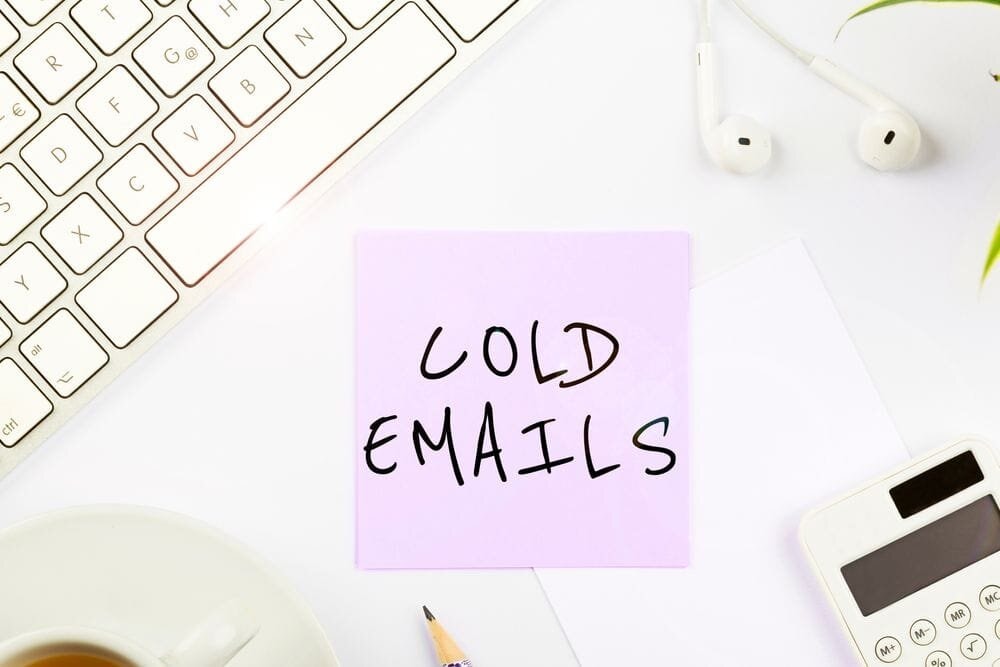
Cold emails fail when two evaluations happen at the same time. Spam systems scan technical signals, and buyers scan intent. When either feels off, the message is discarded.
The reasons below explain why both systems often reach the same conclusion.
Signals that trigger spam filters and buyer suspicion
- Compressed commercial intent, links, tracking pixels, formatting, and selling language clustered early in the email.
- Unstable sender credibility, new domains, poor warm-up, missing authentication, or inconsistent sending patterns.
- Template-shaped copy, openers and value statements that could apply to almost any company.
- Unclear purpose, asking for time without explaining why the message deserves attention.
- Misguided personalization, referencing personal details instead of relevant business context.
- Premature calls to action, meeting requests before relevance or credibility is established.
Why emails feel salesy even when the tone is polite
- The message centers on the sender, product features, company claims, or generic capabilities.
- Outcomes appear without explanation, benefits are stated without showing how they are achieved.
- The pitch arrives before context, relevance is assumed instead of demonstrated.
- Subtle pressure language, phrasing that nudges for agreement before trust exists.
Example: “We help companies like yours grow faster. Can we book 15 minutes this week?” sounds reasonable, but it signals scale, not relevance.
Once these signals are understood, writing cold emails becomes less about persuasion and more about earning credibility through structure.
Core Principles That Make B2B Cold Email Templates Feel Trustworthy
Trust in cold email is built through visible, intentional signals. The reader decides whether you are credible before deciding whether you are relevant.
These principles explain how that trust is established line by line.
1. Lead With Relevant Context, Not Your Product
A high-trust email opens by showing awareness of the reader’s situation, not by introducing what you sell.
How To Do It Right
- Anchor the opening to a role, workflow, or growth moment they recognize.
- Use one sentence to explain why that context prompted the outreach.
- Keep the focus on their environment, not your offering.
Example: “Noticed your team is hiring AEs, which often puts early pressure on pipeline coverage.”
2. Prove Specificity in the First Two Lines
Specific language signals intent and effort. Generic phrasing signals scale.
What Specific Looks Like
- One observation that could not apply to every company.
- One problem framed in concrete terms.
- One claim you can explain, not just assert.
3. Communicate One Clear Idea Per Email
Clarity builds trust. Multiple ideas create doubt about intent.
Keep It Focused
- One insight or opportunity.
- One sentence explaining why it matters.
- One next step that matches the maturity of the message.
4. Use Plain Language That Sounds Human
Readers trust writing that reflects how practitioners actually speak. Polished jargon creates distance.
Language Signals to Watch
- Choose direct verbs like “reduce,” “remove,” or “shorten.”
- Describe outcomes through effects, not slogans.
- Remove hype words that raise unnecessary skepticism.
5. Earn the Meeting Instead of Asking Too Early
A meeting is a commitment. Trust must come first.
Lower-Friction CTAs
- “Worth replying if this is even relevant right now?”
- “Should I share a short idea based on your setup?”
- “If this misses the mark, who usually owns this?”
Example: Asking permission to share insight feels lighter than asking for time.
6. Show Restraint With Links, Claims, and Formatting
Minimalism signals intention. Excess signals automation.
Safe Defaults
- Use zero or one link in the first email.
- Avoid images, buttons, or dense signatures.
- Keep spacing clean and paragraphs short.
These principles turn trust from an abstract idea into a repeatable standard, and the next section focuses on shaping them into a clear, usable email structure.
12 B2B Cold Email Templates That Put the Core Principles Into Action
These 12 templates are organized by common outreach goals. Each intro explains when and why to use the template, making it easier to select the right approach for your prospect.
1. First-Time Outreach
Introduce yourself to a new contact while establishing relevance. Focus on context and credibility so the recipient understands why your message matters and is easy to respond to.
2. Starting a Conversation
Invite engagement without pressure using a concise question or prompt. This encourages a natural reply and keeps the interaction simple.
3. Problem Awareness
Highlight a common pain point the recipient may recognize. Encourage self-identification and open discussion without pitching immediately.
4. Product or Service Introduction
Introduce your solution clearly and succinctly. Focus on relevance and context rather than features or hard selling.
5. Value-Based Pitching
Emphasize outcomes instead of features. Demonstrate tangible benefits while keeping the message concise and response-oriented.
6. Booking a Sales Call
Request a conversation while giving the recipient control. Frame the call as optional and low-effort to increase comfort.
7. Free Trial or Demo Invitation
Offer access without obligation. Let the recipient explore at their own pace to reduce perceived risk.
8. Social Proof and Credibility
Build trust by referencing similar companies, past results, or relevant experience. Reassure the recipient before requesting a response.
9. Competitive Displacement
Introduce contrast without directly criticizing competitors. Highlight differences or improvements that may appeal to the recipient.
10. Follow-Up After No Response
Reopen the conversation gently after no reply. Remind the recipient of prior outreach respectfully.
11. Re-Engaging Cold Leads
Reset context for leads that went quiet. Invite a reply without pressure, making it easy to reconnect.
12. Breakup or Final Outreach
Politely close the loop while leaving the door open. Encourage a response if relevant, otherwise signal a natural pause.
Each template above aligns with a clear outreach intent and natural email flow. Let’s now explore how to craft subject lines that support each template and maximize responses.
Personalization Rules That Keep Cold Email Templates Credible
Personalization works when it proves relevance, not effort. The goal is to help the reader recognize their context in your first lines, without turning the email into a research report.
Credible personalization stays close to business reality, role pressure, workflow friction, and timing.
How To Do It Right
- Personalize to role responsibility, name the job outcome they own, not the tool you sell.
- Use one real trigger, hiring, expansion, funding, new product motion, leadership change, or a visible initiative.
- Anchor to a specific workflow, pipeline handoff, onboarding, renewals, reporting, lead routing, or support load.
- Write one sentence that connects trigger to reason, show why you are reaching out now.
- Keep the proof lightweight, one clear observation beats five weak details.
Example: “Saw you are hiring for RevOps. That usually means data cleanup and handoffs become urgent for a few months.”
What To Avoid
- Personal details, family, photos, or anything that feels like surveillance.
- Empty compliments, “love what you do” without a concrete reason.
- Overstuffed first lines, multiple facts that read like scraping.
- Vague claims of relevance, “I think this could help” without context.
- Copy-paste tokens, placeholders that create awkward grammar.
Quick Personalization Checklist
- Can the reader tell why this email is for them in two lines?
- Does the personalization match a real business priority, not a surface detail?
- Could the same opening fit ten other companies, if yes, it is not specific enough.
Tips to Choose Right Subject Lines Once the Template Is Personalized
A subject line works when it confirms the intent already established by the template. It should prepare the reader for what follows, not compete with it.
The goal is alignment, not cleverness.
Practical Guidelines That Hold Up in Real Outreach
- Mirror the opening context, if the email starts with an observation, the subject line should hint at the same angle.
- Match pressure to intent, early templates need low-pressure framing, follow-ups can be more direct.
- Avoid promise-heavy wording, subject lines should suggest relevance, not outcomes.
- Keep tone consistent, a calm email paired with a hyped subject line breaks trust immediately.
- Let the template lead, choose the subject line after the body is written, not before.
How This Looks in Practice
- A context-led intro template pairs best with observation-based subject lines like “Quick note on RevOps hiring.”
- An insight-driven template works better with curiosity that stays grounded, such as “Noticed something in your onboarding flow.”
- A reminder template needs neutral continuation, for example “Following up on my note below.”
Each pairing reinforces intent instead of resetting expectations at the inbox level.
When subject lines and templates work in the same direction, the message earns the open naturally, and the next constraint becomes whether that email consistently reaches the inbox.
When and How Often to Send Cold Emails?

Timing and frequency decide whether outreach feels professional or intrusive. A good cadence respects the buyer’s attention, protects sender reputation, and keeps your message familiar enough to be remembered.
Consistency matters more than intensity, and the best schedule is one you can run without spikes.
When To send
- Send midweek for first touches, Tuesday to Thursday usually aligns with steadier inbox attention.
- Aim for business hours in the recipient’s timezone, early morning or early afternoon works better than late evening.
- Space follow-ups 2 to 4 days apart, close enough to stay relevant, wide enough to avoid pressure.
- Keep sequences to 3 to 5 emails, each message should add new value or a clearer angle.
- Cap frequency per account, one active thread at a time keeps outreach clean and credible.
Example: Email 1 on Tuesday morning, follow-up on Friday, follow-up on Wednesday, then a final close-out the next week.
What To Avoid
- Daily follow-ups, it reads like automation and increases spam complaints.
- Sending in bursts, big spikes can hurt deliverability and reduce response quality.
- Reusing the same message, repetition without a new angle trains the reader to ignore you.
- Chasing non-fit accounts, persistence does not fix poor targeting.
Quick Cadence Checks
- Does each follow-up introduce a new reason to reply?
- Is your spacing steady across the week, not clustered into one day?
- Can a human read your sequence and feel restraint in the pacing?
When your cadence is steady and respectful, improving results becomes a measurement problem, and the next section focuses on testing and optimizing what you send.
Steps to Test and Improve B2B Cold Email Templates Over Time
Cold email performance improves when measurement and adjustment are treated as separate disciplines. Testing reveals patterns. Optimization turns those patterns into structured gains.
How to Test B2B Cold Email Templates
Testing isolates cause and effect. The objective is to learn what drives replies without distorting the signal.
1. Define One Primary Goal
- Reply rate
- Qualified reply rate
- Meeting booked rate
Select one metric that reflects real business movement.
2. Change One Variable at a Time
- Subject line
- Opening line
- Personalization trigger
- Call to action
- Follow-up angle
Keep audience, timing, and sequence stable during the test.
3. Test Within a Clean Segment
- Same role
- Same industry
- Similar company size
- Comparable growth stage
Example: Test two personalization angles only within growth-stage SaaS companies hiring sales roles.
4. Wait for Meaningful Volume
Allow the campaign to run long enough to reveal a pattern. Early conclusions distort results.
How to Optimize Based on What You Learn
Optimization converts data into repeatable improvement. The goal is cumulative refinement, not constant reinvention.
1. Strengthen What Performs
- Expand high-reply openings into similar segments
- Keep CTAs that produce qualified responses
- Replicate angles that shorten response time
2. Remove What Reduces Trust
- Cut language that increases opens but lowers reply quality
- Simplify CTAs that create hesitation
- Adjust cadence if engagement weakens
3. Document Every Adjustment
- Record what changed
- Record why it changed
- Track measurable impact over time
Documented refinement builds consistency instead of guesswork.
When testing is controlled and optimization is deliberate, outreach becomes predictable rather than reactive, and the final step is aligning all elements into a cohesive outreach system.
Conclusion
Good cold outreach comes from small, careful choices. Start with clear context, show real relevance, and keep your tone steady.
Use the principles and templates with intention. A strong B2B cold email template works because it feels natural, focused, and respectful of the reader’s time.
Keep testing, keep improving, and let consistent effort build better results over time.