
.jpg)

.svg)
.svg)
.svg)
Your email lands in the inbox.
Then nothing happens. No reply, no signal, just silence.
That silence usually has less to do with timing and more to do with how the message reads in the first few seconds. In B2B outreach, people respond when something feels clear, relevant, and worth engaging with.
These 12 cold email templates focus on that exact moment. They are shaped to reduce friction, respect attention, and turn silence into responses through structure, intent, and simple language.
What Is a B2B Cold Email and How It Works Today
A B2B cold email is a direct message sent to a business contact without prior interaction. Its purpose is not to sell, but to create a reasoned opening for communication based on relevance and role.
In today’s inbox, cold emails work when they respect attention. Decision-makers respond to messages that are clear, specific, and easy to process within seconds.
How B2B Cold Emails Work in Practice
A B2B cold email earns a response when three elements align at the same time:
- Intent clarity, the reader immediately understands why the email was sent
- Context relevance, the message reflects the recipient’s role, company stage, or situation
- Response simplicity, replying feels low effort and risk-free
When these elements are present, the email feels considered rather than intrusive.
What Has Changed in Modern Cold Emailing
Inbox behavior has shifted. People skim faster and ignore anything that feels generic or demanding.
Effective cold emails today:
- focus on one idea only
- remove unnecessary introductions
- avoid feature lists and long explanations
For example, referencing a company’s hiring phase and asking a single, relevant question often performs better than explaining a full product offering.
The Real Objective of a B2B Cold Email
The first cold email is not meant to close a deal. Its real objective is to earn a response.
A response creates:
- permission to continue
- context for follow-up
- momentum without pressure
- warming up your email account before cold outreach
Once this foundation is in place, deeper conversations and outcomes become easier to build.
This understanding of how B2B cold emails work today leads directly into the principles that shape templates capable of earning consistent responses.
Core Principles of a High-Converting B2B Cold Email Template
A high-converting B2B cold email template works because it follows a few principles that keep the message clear, relevant, and easy to respond to. It does not rely on clever lines or heavy persuasion, it relies on structure that respects how people read in busy inboxes.
Core Principles That Make a Template Convert
- One clear purpose: Each email should do one job, start a reply, confirm interest, or book a call. Mixed goals dilute response.
- Immediate context: The reader should understand why they are receiving this email within the first two lines.
- Specific value: Focus on one outcome tied to the recipient’s role, not a broad promise that could fit anyone.
- Proof without overload: Use one credibility signal, a quick result, a known client type, or a clear reason to trust.
- Low-friction CTA: Ask for a small next step that feels safe, like a yes or no, or a short reply.
- Simple language: Short sentences, direct wording, and no filler keep attention and build trust.
Example of a Low-Friction CTA That Converts
Instead of asking for a 30-minute call, a template can ask, “Open to a quick yes or no on whether this is relevant for you?” That single line reduces effort and increases the chance of response.
When these principles are in place, templates become flexible, because the structure stays stable even when the industry, offer, or buyer changes, and that is exactly why the next section breaks templates down by outreach goals and intent.
B2B Cold Email Templates Based on Outreach Goals and Intent
These 12 templates are organized by common outreach goals. Each intro explains when and why to use the template, making it easier to select the right approach for your prospect.
1. First-Time Outreach
Introduce yourself to a new contact while establishing relevance. Focus on context and credibility so the recipient understands why your message matters and is easy to respond to.
2. Starting a Conversation
Invite engagement without pressure using a concise question or prompt. This encourages a natural reply and keeps the interaction simple.
3. Problem Awareness
Highlight a common pain point the recipient may recognize. Encourage self-identification and open discussion without pitching immediately.
4. Product or Service Introduction
Introduce your solution clearly and succinctly. Focus on relevance and context rather than features or hard selling.
5. Value-Based Pitching
Emphasize outcomes instead of features. Demonstrate tangible benefits while keeping the message concise and response-oriented.
6. Booking a Sales Call
Request a conversation while giving the recipient control. Frame the call as optional and low-effort to increase comfort.
7. Free Trial or Demo Invitation
Offer access without obligation. Let the recipient explore at their own pace to reduce perceived risk.
8. Social Proof and Credibility
Build trust by referencing similar companies, past results, or relevant experience. Reassure the recipient before requesting a response.
9. Competitive Displacement
Introduce contrast without directly criticizing competitors. Highlight differences or improvements that may appeal to the recipient.
10. Follow-Up After No Response
Reopen the conversation gently after no reply. Remind the recipient of prior outreach respectfully.
11. Re-Engaging Cold Leads
Reset context for leads that went quiet. Invite a reply without pressure, making it easy to reconnect.
12. Breakup or Final Outreach
Politely close the loop while leaving the door open. Encourage a response if relevant, otherwise signal a natural pause.
Each template above aligns with a clear outreach intent and natural email flow. Let’s now explore how to craft subject lines that support each template and maximize responses.
Steps to Craft Effective Subject Lines for B2B Cold Emails
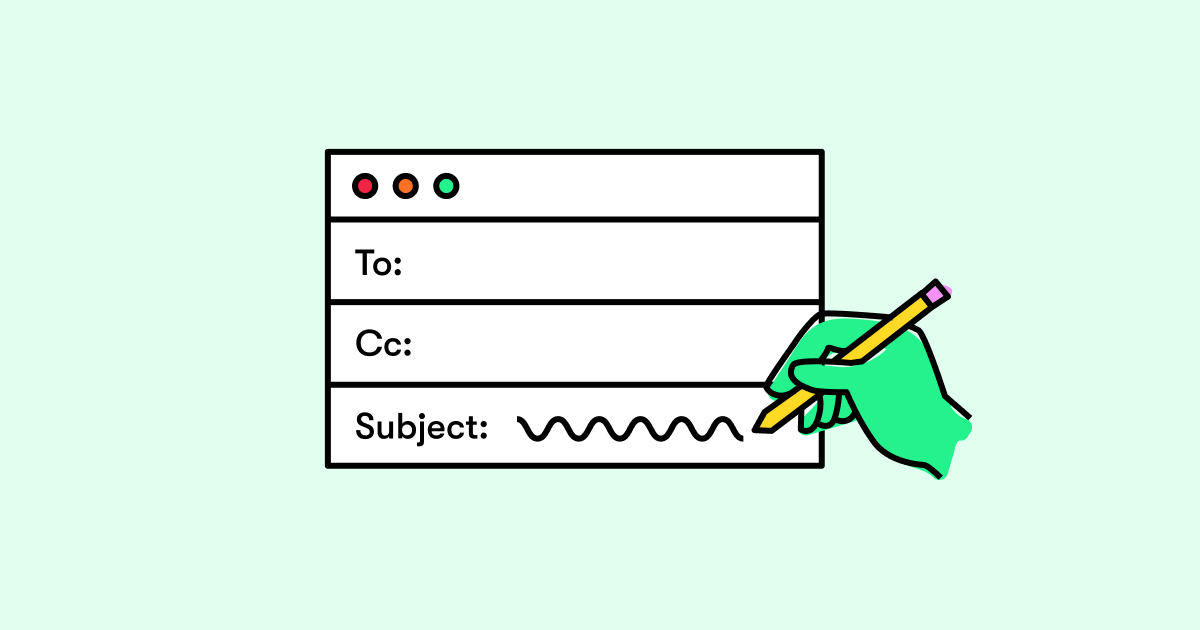
A subject line is the first impression of your email and often determines whether it gets opened. In B2B outreach, clarity, relevance, and curiosity work together to make recipients pause, scan, and consider responding.
Core Principles for Effective Subject Lines
- Keep it concise: Limit to 6–10 words so it displays fully in the inbox.
- Reflect the email intent: The subject should hint at the purpose without overpromising.
- Personalize where possible: Including the recipient’s role, company, or a relevant trigger increases engagement.
- Use action-oriented language: Verbs that suggest insight or relevance prompt attention, e.g., “Review,” “Explore,” “Learn.”
- Avoid spam triggers: Words like “free,” “urgent,” or all caps can push emails to junk folders.
- Test variations: Slight adjustments can significantly impact open rates; track and iterate.
Example
Instead of: “Important Offer for Your Team”
Try: “How {{Company}} is Improving {{Process}} in 2025”
This version is specific, relevant, and professional while hinting at value.
Why Subject Lines Matter in B2B
Even the most well-crafted email body fails if the subject line does not capture attention. A good subject line establishes context and sets expectations, guiding the recipient toward the response you want.
By following these principles, each subject line becomes a gateway to engagement rather than just a label for your message.
Once your subject lines capture attention, the next step is tailoring each message to the recipient, ensuring relevance and context that naturally increase engagement and response rates.
Personalization Strategies to Improve B2B Cold Email Templates
Personalization is more than inserting a name or company. In B2B cold outreach, it ensures each message resonates with the recipient’s role, context, and current priorities. Proper personalization increases reply rates while maintaining professionalism and trust.
Key Personalization Techniques
- Segment by role or function: Tailor emails based on the recipient’s responsibilities, e.g., marketing, operations, or finance.
- Reference specific triggers: Include context like recent company news, product launches, or industry trends to make the email relevant.
- Adjust tone and language: Match the communication style to the recipient’s sector or corporate culture.
- Personalize value proposition: Highlight outcomes and benefits that matter to their role instead of generic promises.
- Use dynamic placeholders carefully: Merge tokens like {{First Name}} or {{Company}} in a way that reads naturally, avoiding awkward phrasing.
- Incorporate small insights or observations: A short line acknowledging a current challenge or initiative shows awareness and credibility.
Example:
Instead of: “Hi {{Name}}, we offer solutions for companies like yours.”
Try: “Hi {{Name}}, I saw that {{Company}} recently expanded into {{new market}}. We help teams streamline {{specific process}} during such growth phases.”
Once your emails are personalized for maximum relevance, the next step is ensuring they arrive reliably and comply with inbox rules.
Best Practices to Keep B2B Cold Emails Compliant and Deliverable
Deliverability and compliance are critical to B2B cold email success. Even the most well-crafted message fails if it never reaches the inbox or triggers spam filters. Following structured best practices ensures your emails are seen, trusted, and actionable.
1. Using a Real Business Identity and Sender Details
Emails should clearly show who you are and your company. A professional sender name, recognizable email domain, and accurate company information establish credibility and reduce suspicion.
Example:
Use john.doe@company.com instead of sales123@domain.com to avoid appearing generic or spammy.
2. Targeting Only Relevant Business Contacts
Send emails only to recipients likely to benefit from your message. Segment lists by role, company, or prior engagement to increase relevance and reduce bounce or complaint rates.
3. Including a Clear and Easy Opt-Out Option
Always provide an unsubscribe link or clear instructions to opt out. This maintains trust and ensures compliance with anti-spam laws.
Example:
Include a line like: “Reply ‘unsubscribe’ to stop receiving emails from me.”
4. Keeping Subject Lines Honest and Accurate
Subject lines should reflect the content of the email. Avoid misleading, sensational, or clickbait phrasing, which can hurt deliverability and credibility.
5. Maintaining Healthy Sending Volume and Frequency
Send at a measured pace to avoid overwhelming recipients or triggering spam filters. Start small, track engagement, and scale gradually.
6. Warming Up Domains and Email Accounts Gradually
New domains or accounts require warm-up to establish sender reputation. Begin with low-volume sends and slowly increase activity over time.
7. Monitoring Bounce Rates and Spam Complaints
Track bounces, unsubscribes, and spam complaints. High rates indicate issues with list quality, targeting, or content, and should be addressed immediately.
8. Using Plain Text or Light HTML Formatting
Emails should be easy to read and load quickly. Avoid heavy graphics or complex HTML that may trigger spam filters or reduce readability.
When your emails consistently reach the inbox, the next priority is delivering them at the right time and in the right sequence.
Cold Email Sequences and Timing for B2B Outreach
Sending one email rarely produces results. In B2B outreach, the right sequence and timing determine whether your emails are noticed, read, and responded to. Well-planned follow-ups keep your message top-of-mind without overwhelming the recipient.
- Plan multiple touchpoints: Start with an introductory email, then follow up at intervals that respect the recipient’s attention.
- Align with intent: Each email in the sequence should have a distinct goal, such as eliciting a reply, sharing information, or offering a demo.
- Vary the messaging: Repetition without variation leads to fatigue. Adjust the content to reinforce value while keeping each email fresh.
- Limit the sequence length: Typically 3–5 emails are optimal; too many can appear spammy and reduce credibility.
- Track engagement: Monitor opens, clicks, and replies to adjust timing and content dynamically.
Example:
An initial email introduces the value proposition. Three days later, a follow-up checks for interest. A final email after a week offers a short demo, each crafted slightly differently to maintain engagement.
Optimal Timing for B2B Emails
Timing affects both open rates and response rates. Consider these factors:
- Day of the week: Midweek often sees higher engagement than Monday or Friday.
- Time of day: Early morning or just after lunch is typically when inbox attention is highest.
- Recipient behavior: Adjust based on the industry, role, or previous engagement patterns.
- Spacing between emails: Give at least 2–3 days between follow-ups to avoid pressure while remaining consistent.
For better results, consider crafting a compelling networking email subject line to maximize open rates.
Combining sequence planning with timing optimization ensures each email has a higher likelihood of being noticed, read, and acted upon.
Once sequences and timing are optimized, the next step is to measure and improve performance by tracking critical metrics, analyzing results, and refining your strategy for ongoing B2B cold email success.
How to Test, Measure, and Optimize B2B Cold Email Templates
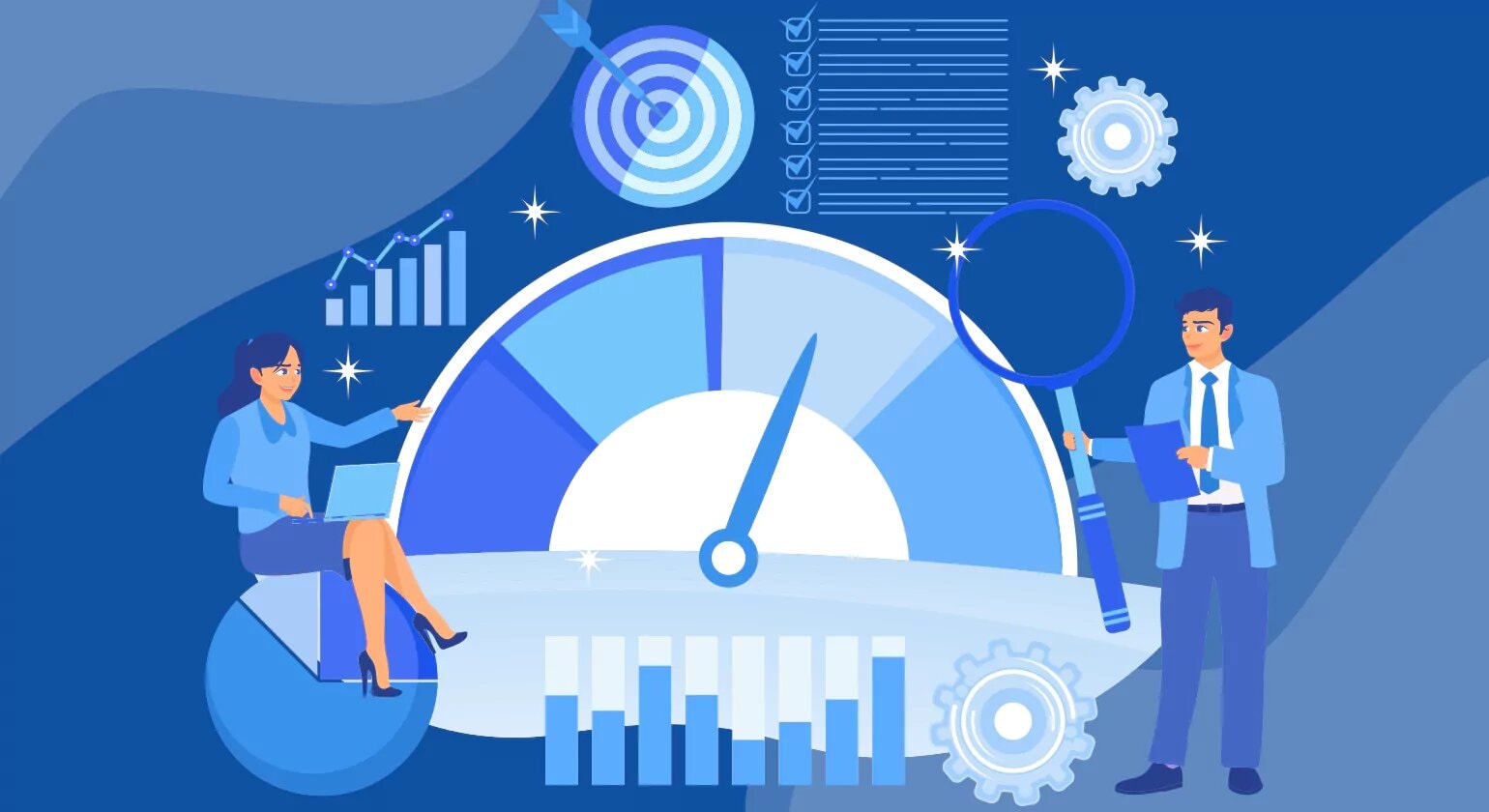
Even the best cold email template can underperform if it is not tested and optimized. B2B outreach requires systematic evaluation of each element to understand what drives opens, replies, and engagement. Optimization ensures your emails continue to work as audience behavior evolves.
Steps to Test B2B Cold Emails
- Define your goal clearly: Identify whether you want replies, clicks, or meeting bookings. The metric guides the test.
- Test one variable at a time: Change only the subject line, opening line, CTA, or personalization element per test to isolate effects.
- Use meaningful variations: Ensure differences are clear and measurable, such as changing wording, tone, or CTA placement.
- Select a representative sample: Test emails on a subset of your audience that mirrors the full list to get reliable results.
- Run tests for a complete cycle: Allow enough time for recipients to open and respond; premature analysis may mislead.
Example:
You can A/B test two subject lines across 500 recipients, keeping the email body constant. Track open rates and reply rates, and implement the winning subject line for the full list.
Key Metrics to Track
- Open rate: Measures how effective your subject line is at capturing attention.
- Reply rate: Indicates whether the message resonates and prompts action.
- Click-through rate: If your email contains links, this shows engagement with your content.
- Bounce and complaint rate: Monitor deliverability and list health.
- Response quality: Evaluate whether replies are meaningful or generic to refine messaging.
Regularly reviewing these metrics allows for data-driven adjustments, ensuring your emails remain relevant and engaging over time.
Continuous Optimization Practices
- Rotate tested templates: Alternate proven templates to avoid fatigue.
- Refine personalization: Adjust content based on role, company size, or prior engagement.
- Update for current context: Incorporate industry trends, recent events, or company changes.
- Document learnings: Keep track of what works and why to guide future campaigns.
Tracking and testing your emails shows what gets opens, replies, and engagement. Using these insights to adjust subject lines, messaging, and timing improves results.
Conclusion
Applying these templates consistently allows you to turn quiet inboxes into meaningful replies. Review each email, personalize thoughtfully, and follow up strategically to see engagement grow.
Small, deliberate adjustments in timing, tone, and relevance make every outreach more effective.


.jpg)


.jpg)
