.jpg)

.svg)
.svg)
.svg)
Inbox decisions happen fast.
A subject line gets a glance, the message gets judged, and the outcome is sealed in seconds.
That moment is shaped by small choices most senders overlook. Not design trends or clever copy, but structure, timing, and intent. When those elements drift, emails reach inboxes without earning action.
What follows focuses on email marketing best practices that influence those decisions. Each one explains how emails move from being opened to being acted on, starting with the fundamentals that decide whether attention even holds.
What Happens When You Ignore Core Email Marketing Principles?
When core principles are ignored, your email marketing strategy starts losing direction. Marketing best practices exist for a reason, and skipping them affects effective email marketing over time. This is one of the most common ways campaigns fail if you do not plan clearly.
You can spot these issues early, but you need to understand where things begin to break.
Where Problems Start Showing Up
When principles slip, the impact appears inside the email itself, not after the send.
- The message drifts, because you have a topic but not a clear outcome, so the email lacks direction.
- Relevance weakens, because the message is not shaped with your audience in mind or matched to their context.
- Trust erodes, because what the subject line signals does not align with the content of the email.
- Engagement softens, because emails are sent to your list without respecting timing, intent, or attention span.
Why These Issues Compound Over Time
Email is judged quickly. A reader scans structure, tone, and clarity before deciding what to do. When an email lacks focus, the reader does not pause to decode it. The decision is silent and immediate. That pattern repeats across campaigns and becomes part of how your brand is perceived.
A Practical Example
If you have a promotional email with urgency in the subject line, but the body opens with broad context, the email creates friction. The reader expected direction, but receives delay. Attention drops before the value appears, even if the offer itself is strong.
What To Check On Your Side
- Whether the email connects clearly to your audience expectations
- Whether the message feels consistent with your brand voice
- Whether the action is visible and easy to understand
- Whether timing supports intent, not just schedule
These signals explain why emails underperform long before metrics confirm it. The next section turns these patterns into clear principles you can apply before sending any email.
10 Core Email Marketing Principles To Follow Before Sending An Email
These principles represent email marketing best practice that supports consistency. Unlike generic email best practices, these best practices for planning focus on how an email marketing approach should actually work in real campaigns.
Each principle helps shape an email marketing process that stays focused and repeatable.
What These Principles Protect In Real Campaigns
The email marketing best work is rarely about fancy templates. It is to reduce confusion, protect trust, and make performance easier to improve over time. Each principle acts like a checkpoint, so your email stays aligned with purpose, audience, and execution.
1. Define One Clear Goal For The Email
Every email should exist for a single reason. When you define the goal clearly, your emails stay focused and measurable. Without this clarity, it becomes difficult to decide what content belongs in the email and what action you want recipients to take.
Example
If you want to drive demo bookings, do not split attention with three offers. Make sure your email is built around one clear outcome.
2. Know Exactly Who You Are Sending To
Understanding your audience shapes how your emails sound and what they offer. Your subscribers expect relevance, not generic messaging. When you know your recipients well, it becomes easier to match tone, timing, and value with what they actually need.
Label: A Useful Lens
Write with your audience, not for everyone. Use language that fits to your readers, not to your internal team.
3. Ensure The Email Has A Single Primary Action
An email works best when it asks readers to do one thing. A clear call to action removes confusion and keeps attention focused. When emails try to push multiple actions, engagement drops and results become harder to measure.
Make The Action Obvious
- Place the call to action early, not buried at the end
- Use a button or link with a clear verb
- Keep the next step easy to follow
4. Write The Subject Line To Match Email Intent
The subject line sets expectations before the email is opened. Subject lines should clearly reflect what the email delivers. When your subject line matches intent, your emails feel honest and relevant rather than misleading or promotional.
Example
If the subject line suggests a checklist, the email should deliver the checklist fast, not a long introduction.
5. Send Only When Timing Adds Value
Timing affects whether emails feel helpful or intrusive. Sending at the right moment depends on context and behavior, not habits. When timing adds value, emails are more likely to be noticed instead of ignored.
Label: Timing Signal
Look at what people did in your product or site. That is a stronger signal than a calendar rule.
6. Maintain List Quality And Permission Standards
Your email list should be built on consent and relevance. Keeping your list clean protects deliverability and trust. Removing inactive contacts and respecting permissions helps ensure your emails reach people who actually want them.
What To Watch On Your Side
- Engagement trends on your list
- Unsubscribe and complaint signals
- Whether contacts opted in, or were imported
7. Align Email Content With Where The User Is In The Journey
Email content should match the stage of the reader. Early-stage users need clarity, while later-stage users need direction. Aligning content with the journey helps emails feel useful instead of rushed or out of place.
A Practical Way To Think Of Email
Match of your email to intent. Education first, proof next, then a clear ask when it fits.
8. Keep Design And Copy Easy To Scan
Email design should support reading, not distract from it. Clear spacing, short paragraphs, and simple structure help readers understand the message quickly. When email design is clean, the message becomes easier to absorb.
Make It Skimmable
- Use short lines and clear spacing
- Use headings and bullets with a clear rhythm
- Keep one idea per paragraph
9. Test Critical Elements Before Sending
Testing helps reduce guesswork. Small checks on content, layout, and links can prevent errors. A b testing can also reveal what resonates better before scaling emails to a larger audience.
You Can Also Run Simple Tests
Test one change with a small group, then send to the rest if performance improves.
10. Measure Outcomes, Not Just Activity
Sending emails is not the same as learning from them. Measuring outcomes helps you understand what works. Tracking meaningful signals shows whether your emails support goals or simply add noise.
Outcome Focus
Track what happened after the click, not only opens and clicks.
Quick Checklist Before You Send
- Clarity: Does the email drive one outcome, not five?
- Relevance: Is this written with your audience in mind, not your internal plan?
- Trust: Does the subject line match what the email actually delivers?
- Momentum: Can a reader act within seconds, without searching for the point?
Once these principles are in place, personalization becomes easier, because every email has a clear goal, audience fit, and a measurable path to action.
Steps To Personalize A Single Email Campaign For Different Users
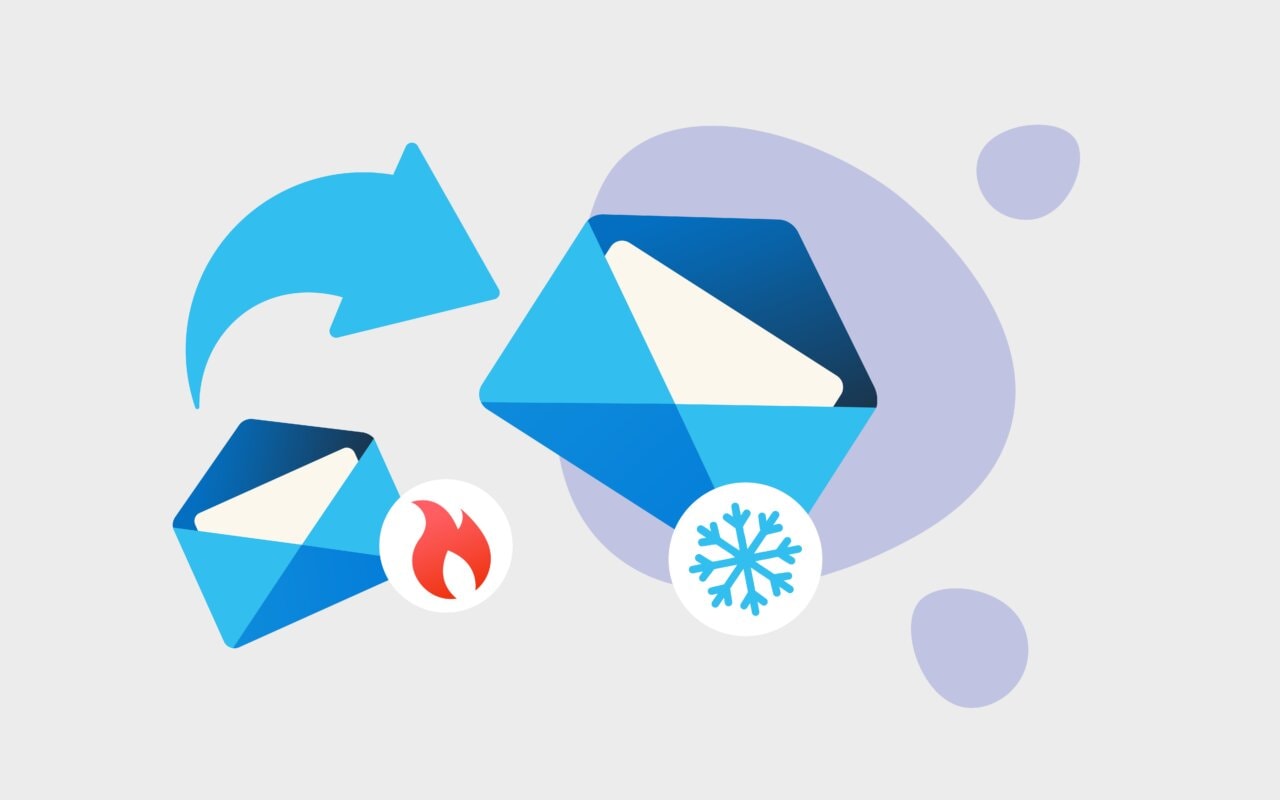
Personalization does not mean creating multiple emails for every situation. Your email campaigns can stay efficient when one email campaign adapts across different email campaigns using context and intent. This approach helps your email campaigns remain relevant without adding complexity.
The steps below explain how personalization can be applied in a practical way.
1. Segment Users Based On Behavior And Engagement
Segmentation works because behavior reflects intent more accurately than assumptions. Grouping users based on actions helps emails stay relevant and timely.
Common behavioral segments include:
- Users who clicked but did not purchase
- Customers who bought once but did not return
- Readers who open emails but rarely click
- New subscribers within their first two weeks
A returning buyer does not need the same email as a first-time visitor. The message should reflect what the user has already done.
2. Adjust Messaging Based On User Intent
Intent shapes how emails are read. When messaging aligns with intent, the email feels useful instead of generic.
Intent often falls into patterns such as:
To learn more about how to avoid getting blacklisted when sending emails, check out this guide.
- Learning and exploration
- Comparison and evaluation
- Purchase readiness
- Ongoing use or support
Matching the message to these stages prevents sending the same content to users who expect different outcomes.
3. Personalize Content Blocks Instead Of Entire Emails
Personalization works best when applied selectively. Keeping the overall structure stable while changing key sections allows flexibility without added complexity.
The most effective sections to personalize are:
- The opening line
- The recommendation or offer
- Proof points like outcomes or testimonials
- A secondary option for readers not ready to act
To ensure your emails are visually appealing and easily readable, consider reviewing this guide on font color, size, and type for professional email communication.
This approach keeps execution efficient while still feeling personal.
4. Modify Calls To Action For Different User Groups
Not all users are ready for the same action. Adjusting the call to action based on readiness improves response quality.
For example, you can refer to this comprehensive guide on A/B testing for emails to better understand how to test and optimize your email campaigns.
- New users respond better to discovery actions
- Engaged users respond to comparison or trial prompts
- High intent users respond to direct purchase or signup actions
The action should feel natural, not rushed.
5. Use Dynamic Fields For Contextual Relevance
Dynamic fields add relevance when used carefully. They should support clarity, not distract from the message. For more context, consider how email tracking tools can also enhance email communications by providing meaningful engagement insights.
Useful dynamic elements include:
- First name
- Location or language
- Recently viewed items
- Plan or account status
Mentioning a specific item or action reminds the reader why the email matters.
6. Control Send Timing Based On User Activity
Timing improves when it follows behavior rather than schedules. Activity-based sending respects attention and increases response likelihood.
Common activity signals include: See how personalized emails can strengthen your email engagement strategy.
- Account signup
- Cart activity
- Trial start
- First feature use
These signals help emails arrive when they feel expected.
7. Track Responses Separately For Each Segment
Personalization only works when performance is measured by segment. Tracking results this way shows what improves engagement and what creates friction.
Metrics to monitor include:
- Opens and clicks by segment
- Replies from high intent users
- Conversions from ready segments
- Unsubscribes from mismatched messages
When personalization is structured this way, timing and frequency become easier to define because each segment reveals its own tolerance and engagement rhythm.
How To Decide The Best Time And Frequency To Send An Email?
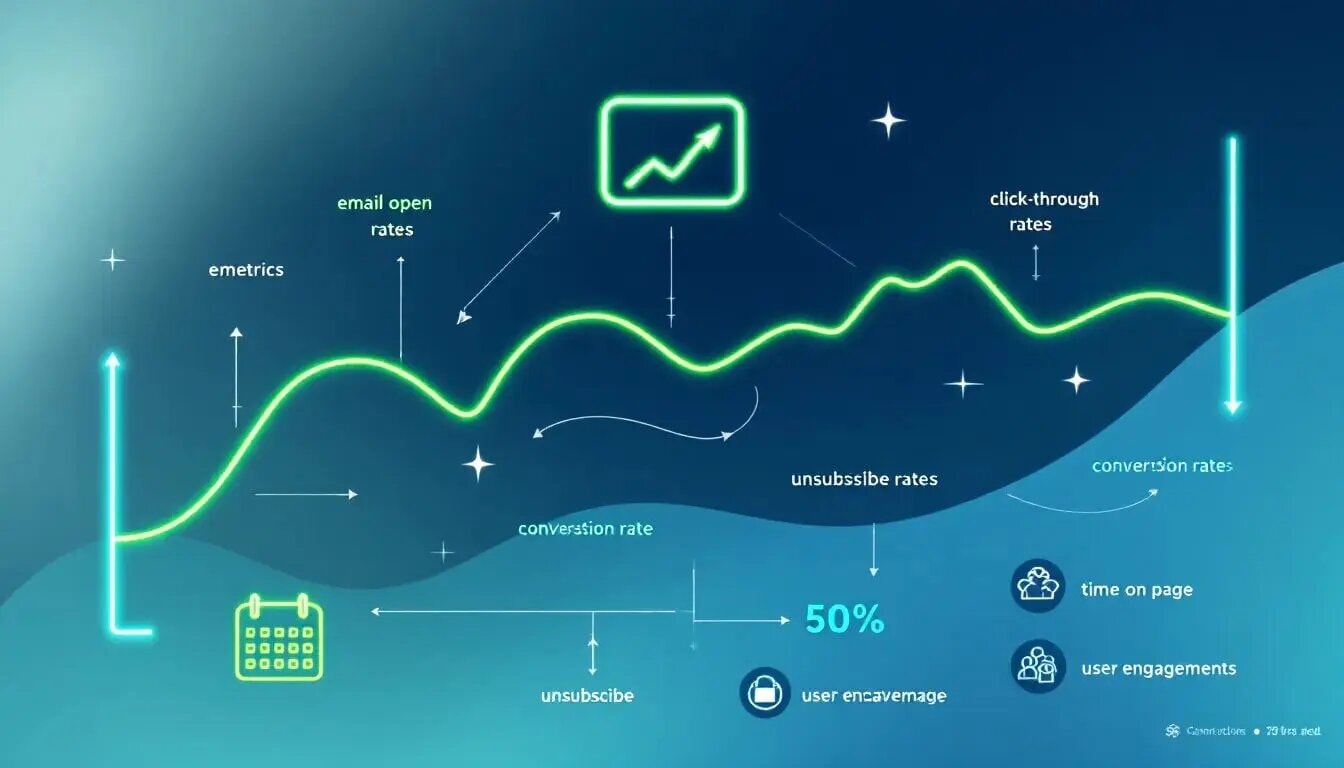
The best time to send email depends on context, not fixed rules. Timing affects how messages are received and whether they add value or feel disruptive. Knowing how to make timing decisions and how to use frequency carefully helps maintain engagement.
This section explains how timing should be chosen with purpose.
What “Best Time” Really Means
Best time means the moment your audience is most likely to notice the email and act without friction. That varies by intent, routine, and device habits. A weekly newsletter and a cart reminder do not share the same timing logic.
A Simple Timing Framework That Holds Up
Use three signals to decide when to send.
- Audience rhythm: when your subscribers typically open and click
- Intent window: when the message is most useful, not just most visible
- Content weight: how much focus the email asks for
How To Set Frequency Without Wearing People Out
Frequency works when it matches value. Readers tolerate more emails when each one earns attention.
- Keep cadence higher for time-sensitive actions, like onboarding or limited offers
- Keep cadence lower for broad updates, like newsletters or product news
- Pause or slow down for low-engagement segments, instead of pushing harder
Example That Makes The Difference Clear
A new subscriber sequence can be daily for a short period, because the reader expects guidance. A promotional blast every day feels random unless the offers are tightly relevant. The difference is permission and usefulness, not the calendar.
Practical Checks Before You Hit Send
- Check recent performance by segment, not only overall averages
- Align send time to behavior triggers when possible
- Adjust frequency for readers who opened recently versus readers who have gone quiet
Once timing and frequency are set with this logic, testing becomes more meaningful because you are improving decisions, not guessing send slots.
Steps To Test And Optimize Your Email Marketing Campaigns
Testing helps improve performance once an email is sent. With the right email marketing software, even a single email can reveal useful patterns. Each test allows an email to perform better by showing what actually works.
This section outlines how optimization should happen in a structured and repeatable way.
1. Define One Clear Metric Before Testing
Testing works best when success is clearly defined. Choosing one metric helps keep results focused. Without this, tests become confusing and insights lose value.
What To Decide First
- The single action the test is meant to improve
- The metric closest to that action
- The time window needed to observe change (for improved email communication, see effective alternatives to "Looking Forward to Hearing from You")
2. Test One Variable At A Time
Changing multiple elements makes results unclear. Testing one variable at a time allows you to understand cause and effect. This keeps optimization grounded and reliable.
What To Change
- Subject line only
- Call to action only
- Layout only
3. Create Meaningful Variations For Comparison
Test variations should differ in meaningful ways. Small but intentional changes help reveal real preferences. For example, wording or placement can influence how emails perform.
Useful Variation Types
- Clear benefit vs curiosity
- Single action vs multiple links
- Short copy vs structured copy
4. Use A Representative Sample Size
Tests need enough data to be reliable. A small sample can mislead decisions. Using a proper sample size helps ensure results reflect real behavior.
What To Check
- Segment size is large enough
- Groups behave similarly
- Results are stable across days
5. Allow Tests To Run For A Complete Cycle
Stopping tests too early can distort outcomes. Allowing a full cycle accounts for timing and user habits. This leads to more accurate insights.
What A Full Cycle Covers
- Different time zones
- Delayed opens
- Repeat engagement
6. Analyze Results Based On The Original Goal
Results should always be reviewed against the original purpose. This keeps analysis grounded and prevents chasing unrelated metrics.
How To Review
- Compare against the chosen metric
- Check side effects like unsubscribes
- Ignore vanity lifts that do not support the goal
7. Apply Learnings Before The Next Send
Testing only matters if insights are applied. Using what you learn improves future emails and builds consistency over time.
What To Carry Forward
- The winning pattern
- The audience segment it worked for
- The element that influenced behavior
When this process is followed consistently, optimization stops being reactive and becomes part of how each campaign improves by design.
FAQs
1. How Long Does It Take To Get Meaningful Results From Email Marketing?
You typically see early signals within 4–6 weeks. Meaningful results appear once enough sends reveal patterns in opens, clicks, and conversions, not after one or two campaigns.
2. What Minimum Data You Have Before Email Decisions Become Reliable?
You need consistent data across multiple sends to the same audience segment. Reliability comes from trends over time, not single-campaign spikes.
3. How Much Does Your Subject Line Influence Long-Term Deliverability?
Subject lines influence opens and engagement, which indirectly affect deliverability. Consistently misleading subject lines reduce trust and hurt inbox placement over time.
4. What Level Of Automation Is Necessary To Make Email Marketing Sustainable?
Basic automation is enough to stay sustainable. Welcome emails, activity-based follow-ups, and simple segmentation prevent manual overload without adding complexity.
5. Which Metrics Matter Most In Your Email Strategy For Your Business Stage?
Early stages should focus on opens, clicks, and replies. Growth stages should prioritize conversions and retention. Mature programs should track lifetime value and repeat engagement.
Conclusion
Email conversion is rarely about doing more. It improves when decisions become sharper and execution becomes consistent.
The practices outlined in this article are not tactics to chase. They are habits to apply before every send, regardless of campaign size or toolset. When these habits are in place, emails stop competing for attention and start earning it.
The most reliable next step is simple. Apply one principle, observe the outcome, then apply the next with intent. That steady discipline is what turns email from a channel into a conversion engine.