.png)

.svg)
.svg)
.svg)
A flash sale email brings a spike in clicks, yet revenue barely moves. The real lift often comes from a different email type sent at a precise moment.
Which type of email marketing drives the most sales is not a creative question, it is a timing and intent question. Revenue grows when the email matches what the reader is ready to do, not when it simply promotes louder.
Below, you will see which email types consistently outperform others, why they work, and where brands misjudge the stage that actually converts.
10 Core Types of Email Marketing That Drive Real Revenue
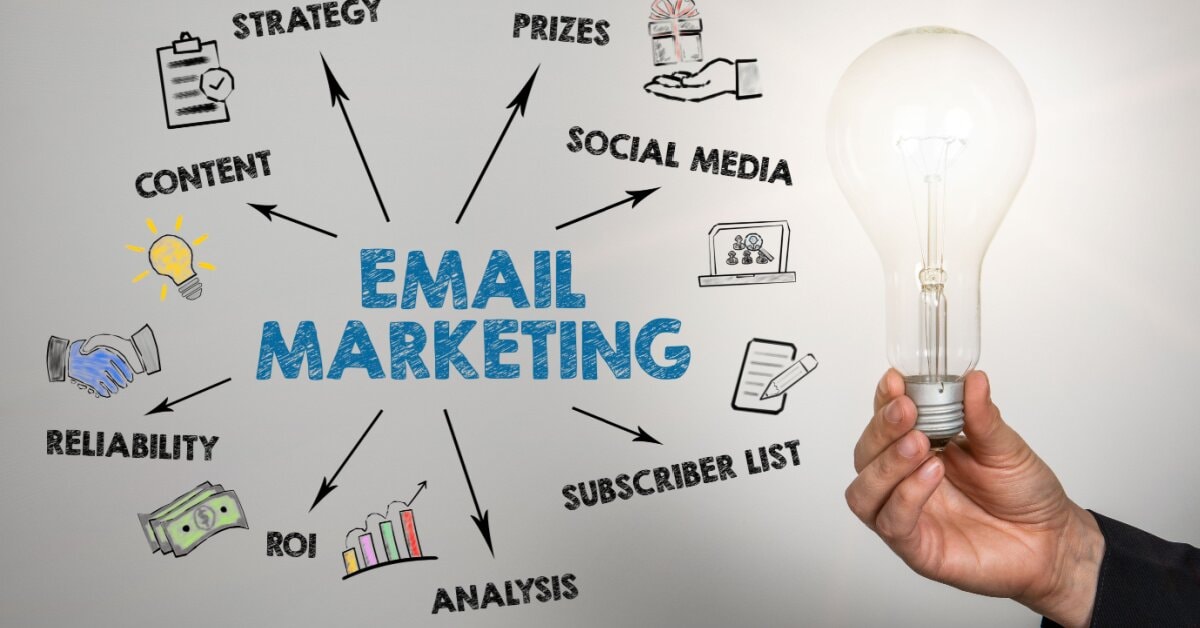
Businesses use different email types because customers do not stay in one mindset. Some emails create first trust, some move decisions forward, and others protect retention after the sale. It also helps to distinguish between personal and business email communication when designing these campaigns. These ten types cover the core patterns brands rely on when growth is planned, measurable, and repeatable.
1. Promotional Emails
Promotional emails are built to trigger a specific action within a defined window. They focus on urgency and clarity, not explanation, and work best when the reader is already close to a decision.
Key Use Cases:
- Announce discounts, bundles, and seasonal offers.
- Push flash sales with clear deadlines.
- Promote a single product or service.
Best Practice
Keep one offer per email, one primary CTA.
Example
A DTC brand sends a weekend offer to recent browsers, not the entire list.
2. Newsletter Emails
Newsletter emails exist to maintain presence without forcing a decision. They create familiarity and rhythm, which makes future promotional emails feel expected rather than intrusive.
Key Use Cases
- Share new content, updates, and curated insights.
- Highlight top products, stories, or community notes.
- Build a consistent brand voice.
Best Practice
Keep a predictable format, readers should know what to expect.
3. Welcome Emails
Welcome emails arrive at the moment of highest attention. They shape first impressions and signal what kind of communication the subscriber can expect going forward.
Key Use Cases
- Confirm signup and explain what subscribers will receive.
- Offer a first time incentive if relevant.
- Introduce the brand and core value.
Best Practice
Send immediately, the moment is still warm.
4. Lead Nurturing And Drip Emails
Lead nurturing emails guide readers from curiosity to clarity. They work through sequence, not persuasion, allowing understanding to build step by step.
Key Use Cases
- Educate prospects on benefits and outcomes.
- Address common doubts and comparisons.
- Guide users toward a decision point.
Best Practice
Write each email as one step in a journey, not a standalone pitch. For guidance on using email personalization in marketing within these sequences, study real campaign examples.
A SaaS brand sends a 5 email sequence, use case, feature, proof, pricing, then trial.
5. Transactional Emails
Transactional emails confirm that an action has occurred. They reduce uncertainty and reinforce trust at moments when users seek clarity, not persuasion.
Key Use Cases
- Order confirmations and receipts.
- Shipping updates and delivery details.
- Password resets and account alerts.
Best Practice
Keep them clear and fast to scan, this is utility first.
6. Abandoned Cart Emails
Abandoned cart emails address hesitation rather than absence. They work because intent already exists, and the goal is to remove friction, not introduce pressure.
Key Use Cases
- Remind users of items left behind.
- Answer last mile concerns like shipping or returns.
- Reinforce trust with reviews or guarantees.
Best Practice
Send quickly, then follow with one reminder, not a barrage.
7. Re Engagement Emails
Re engagement emails restore relevance. They check whether the relationship still holds before attempting to sell again.
Key Use Cases
- Bring back inactive readers or customers.
- Offer content that matches past interest.
- Clean the list by prompting confirmation.
Best Practice
Keep it honest, value first, then a simple ask.
Example
A brand sends, “Still want updates?”, and removes non responders to protect deliverability.
8. Survey And Feedback Emails
Survey and feedback emails turn experience into insight. They help brands improve while showing customers that their opinion influences decisions.
Key Use Cases
- Post purchase feedback and NPS surveys.
- Content preference surveys.
- Product improvement questions.
Best Practice
Make the action small, one question is often enough.
9. Event And Announcement Emails
Event and announcement emails focus attention on a specific moment. Their success depends on clarity, not persuasion.
Key Use Cases
- Webinars, workshops, and store events.
- Launch announcements and time bound updates.
- Community milestones.
Best Practice
Use clear logistics, date, time, location, and one CTA.
10. Product Update And Feature Launch Emails
Product update emails explain change in context. They help users understand why an update matters, not just what changed.
Key Use Cases and email open rates
- New features and improvements.
- Product releases and version updates.
- New collections or service expansions.
Best Practice
Lead with the benefit, then explain the change.
Email Marketing Types: A Quick Comparison
These types perform best when intent and timing align with the reader’s stage. Revenue rises not from volume, but from choosing the email built for that exact moment.
That alignment also reveals something important, not every email type contributes equally to sales. The next step is understanding which ones generate the highest revenue and why they outperform the rest.
"See Open Rates Rise With AI-Assisted Outreach, Try alore.io Today”
Which Email Types Generate The Highest Revenue And Why?
Revenue does not come evenly from every email type. The highest earning emails reach people when intent is already present or when a past purchase can turn into the next one.
The strongest performers either recover lost revenue or increase lifetime value with precision.
Highest revenue email types in most businesses
- Abandoned Cart Emails
- Welcome Emails
- Lead Nurturing And Drip Emails
- Promotional Emails
- Transactional Emails
1. Highest Revenue Per Email Sent: Abandoned Cart Emails
Abandoned cart emails generate the highest revenue per send because buying intent already exists. The audience is small but highly qualified.
Revenue advantage
- Target users who already added products
- Arrive close to the decision moment
- Remove friction that blocks checkout
Their strength lies in intent density. Even a single well timed reminder can outperform a large promotional blast.
2. Fastest Revenue Activation: Welcome Emails
Welcome emails activate revenue early because attention peaks at signup. The first 24 hours often decide whether a subscriber becomes a buyer.
Revenue advantage
- Capture curiosity at its highest point
- Guide one clear first action
- Segment interest based on early clicks
When structured well, welcome flows turn new attention into immediate or near term purchases.
3. Highest Long Term Revenue Contribution: Lead Nurturing Emails
Lead nurturing sequences drive revenue gradually by building clarity and trust. They perform strongest in higher consideration purchases. Well-structured email outreach templates can underpin these sequences across different scenarios.
Revenue advantage
- Educate before presenting the offer
- Reduce doubt through structured progression
- Prepare buyers for confident decisions
While slower than cart emails, their impact compounds across the funnel.
4. Largest Revenue Spikes: Promotional Emails
Promotional emails create short term revenue peaks when sent to engaged segments. Their power depends on timing and list quality.
Revenue advantage
- Focus on one strong offer
- Create urgency with clear deadlines
- Convert warm audiences quickly
They drive bursts of revenue, especially during launches or seasonal campaigns.
5. Revenue Protection And Expansion: Transactional Emails
Transactional emails influence revenue indirectly but consistently. They reinforce trust at moments when reliability matters most.
Revenue advantage
- Maintain confidence after purchase
- Reduce friction in post purchase stages
- Support relevant cross sell opportunities
Their role is less visible but critical for repeat purchases and retention.
Revenue increases when email type matches intent and timing. When that match breaks, performance declines even if the copy looks strong.
To understand how growth slips, we now examine what happens when the wrong email type reaches the right audience at the wrong moment.
How Using the Wrong Email Marketing Type Hurts Engagement and Conversions?
Email performance drops when the email type does not match the reader’s stage. The issue is not effort or copy quality, it is misalignment, the right message delivered at the wrong moment.
The damage shows up in predictable places, engagement weakens first, then conversions, then deliverability.
1. Open Rates Fall When The Email Feels Off Target
Opens drop when the subject line does not match what the subscriber expects right now.
What it looks like
- A promotion sent to brand new subscribers before they understand the offer
- A product update sent to people who never activated the product
- A re engagement email triggered after only a few quiet days
Example
A new subscriber receives a discount email before any welcome context, the message reads like noise.
2. Click Through Rates Drop When The Next Step Is Unclear
Clicks fall when the content does not guide one clean decision. The reader may open, then leave.
Common causes
- Too many links competing for attention
- Educational content with no clear next action
- Offers that do not connect to recent behavior
3. Unsubscribes Rise When Value and Intent Stop Matching
Unsubscribes increase when every email feels like the same push. The reader stops seeing a reason to stay.
Signals to watch
- Unsubscribes spike after repeated promotional streaks
- Clicks decline before opens decline
- Engagement slows across the entire segment
4. Deliverability Declines When Negative Signals Stack Up
Inbox placement drops when engagement falls and complaints rise. The next campaigns suffer even if they are well written.
Why it happens
- Inactive subscribers keep receiving sales emails
- Subject lines over promise compared to the content
- Frequency increases without segmentation
5. Conversions Drop When Timing Misses The Decision Window
Conversions decline when the email arrives after intent has cooled. The same offer later performs worse.
Where this shows up
- Abandoned cart emails sent too late
- Nurture emails sent after the decision was already made
- Welcome emails delayed past the first day
Example
A cart reminder arrives two days later, the buyer has already purchased elsewhere.
6. Trust Weakens When Emails Feel Self Focused
Trust declines when subscribers feel pushed instead of guided. Even useful emails start to look transactional.
What causes it
- Vague claims without proof
- Inconsistent tone across campaigns
- Promotions that ignore the customer’s context
7. Reporting Becomes Misleading, Then Strategy Breaks
Performance data loses meaning when the wrong email type is used. You end up fixing copy when the real problem is the format.
What this breaks
- A B tests become noisy
- Attribution becomes unclear
- Decisions are made from partial signals
Misalignment is costly because it affects both revenue and reputation. The next step is learning how to choose the right email marketing type based on your goal, so each send matches intent instead of testing patience.
Steps to Choose the Right Email Marketing Type Based on Your Goal
Choosing the right email type is a planning decision, not a creative one. The strongest results come from matching intent to timing, then measuring the outcome that matters for that moment.
These steps help you choose the right type with clarity, so every email supports a specific goal instead of adding noise.
1. Define The Primary Goal Of Your Email Campaign
Start with one outcome, not a broad intention. When the goal is clear, the email type becomes obvious.
Goal Examples:
- Drive a purchase.
- Educate a new subscriber.
- Recover an abandoned cart.
- Reactivate inactive readers.
2. Identify Where Your Audience Is In The Customer Journey
Your audience stage decides how much context they need. A new subscriber needs clarity, a returning customer needs relevance.
Quick Stage Signals:
- New, just subscribed.
- Engaged, opening and clicking.
- Considering, browsing pricing or products.
- Customer, already purchased.
- Inactive, silent for weeks.
3. Match The Goal With The Most Effective Email Type
Choose the email type that naturally achieves the goal. This avoids forcing one format to do the job of another.
Simple Mapping:
- First impression, use welcome emails.
- Education, use lead nurturing and drip emails.
- Immediate action, use promotional emails.
- Confirmation, use transactional emails.
- Recovery, use abandoned cart emails.
- Restart interest, use re engagement emails.
4. Choose Triggers Instead Of Fixed Send Schedules
Triggers outperform calendars because they respond to behavior. They also reduce unnecessary emails.
High Value Triggers:
- Signup completed.
- Product page visited twice.
- Cart created but not checked out.
- Purchase completed.
- No engagement for 30 days.
Example
A cart email sent within an hour often beats a weekly reminder sent after the moment is gone. For tips on crafting effective follow-up email subject lines, check out this comprehensive guide.
5. Align Content With User Intent And Expectations
Content should match what the reader is trying to do. Intent is the difference between useful and ignored.
Alignment Checks:
- Does the email answer the next question the reader has?
- Does it remove friction, or add more decisions?
- Does the headline match what the email delivers?
6. Set One Clear Action Per Email
One email should lead to one decision. Multiple CTAs split attention and lower clicks.
Best Practice:
- One primary CTA.
- Supporting links only when they serve the same action.
7. Decide The Right Sending Frequency Early
Frequency is a strategy choice. Consistency builds familiarity when the value stays stable.
How To Set It:
- Match frequency to content depth, not to a calendar habit.
- Reduce frequency for inactive segments.
- Increase only when intent rises, such as during launches.
8. Select Metrics That Reflect The Goal, Not Vanity Numbers
Metrics must match purpose. Opens may signal curiosity, but actions prove value.
Metric Matching:
- Promotional emails, clicks, revenue, conversion rate.
- Nurture emails, clicks, time on page, replies.
- Transactional emails, delivery success, support reduction.
- Re engagement emails, reactivation rate, list health.
9. Test And Optimise Before Scaling Volume
Scale after the pattern works. Testing keeps learning clean and avoids amplifying weak sends.
What To Test First:
- Subject line angle.
- CTA wording.
- Offer framing.
- Timing window.
10. Review Results And Refine The Email Type Over Time
Review performance by segment and stage, not by the whole list. Patterns appear when you track intent based groups.
Refinement Questions:
- Did this email type match the stage?
- Did timing support the goal?
- What segments responded differently?
These steps make email more predictable because they reduce guesswork and improve intent match. For help structuring messages themselves, review the six key components of effective emails.
From here, the next focus is building a simple email marketing strategy for your funnel, so these choices turn into a repeatable system.
Steps To Build An Effective Email Marketing Strategy For Your Funnel
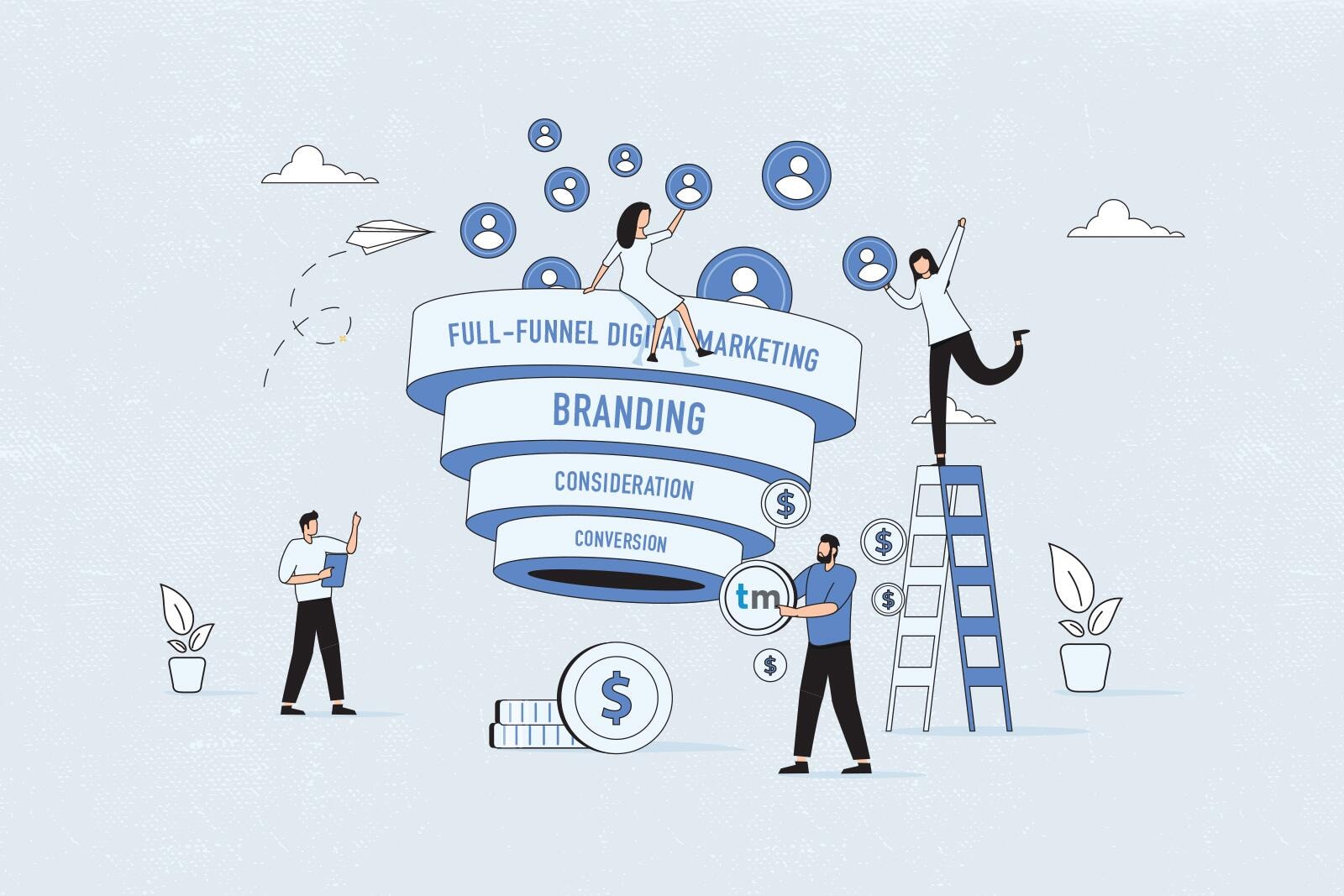
A strong email strategy is built like a funnel, not a calendar. Each stage has a different reader mindset, and the emails you send should match that shift. When the funnel is mapped clearly, email becomes a repeatable system that improves results without constant rebuilding.
1. Set Your Funnel Stages Before Writing Any Email – For tips on writing professional emails to offer services, see this pitching email example guide.
Start by defining the stages your audience moves through. This keeps every email connected to a clear purpose.
Core Funnel Stages:
- Awareness, first contact and curiosity.
- Consideration, evaluation and comparison.
- Conversion, decision and purchase.
- Retention, repeat value and loyalty.
- Re engagement, recovery of attention.
2. Build One Clean Entry Point Into The Funnel
Your strategy begins with how people join your list. A strong entry point attracts the right subscribers and sets the right expectation.
High Quality Entry Points:
- Lead magnet tied to one real problem.
- Newsletter signup with a clear promise.
- Webinar or demo registration.
- Checkout opt in for post purchase value.
Example
A fitness brand offers a 7 day meal plan, then uses welcome emails to guide a simple next step.
3. Create A Welcome System That Sets Expectations
Welcome emails shape the relationship early. They establish trust, rhythm, and the first action worth taking.
What To Include:
- What the subscriber will receive.
- How often you will send.
- One useful starting resource.
4. Build A Nurture Sequence For The Consideration Stage
Nurture emails turn interest into readiness. They work best when they answer questions in order, not when they push too early.
Sequence Elements:
- Problem framing and outcome.
- Fit explanation, who this is for.
- Proof, reviews, or results.
- Comparison guidance.
- A soft conversion invite.
5. Add Conversion Emails That Arrive At The Right Moment
Conversion emails perform best when they respond to intent. Triggers create precision, while fixed schedules often miss the moment.
High Intent Triggers:
- Pricing page visits.
- Cart created.
- Repeat product views.
- Trial started but not completed.
6. Build Retention Emails That Increase Lifetime Value
Retention emails keep customers connected after the first purchase. They build loyalty by improving experience, not by pushing offers.
Retention Content Ideas:
- Setup and onboarding guidance.
- Tips for better results.
- Product usage and care guides.
- Cross sell based on purchase history.
Example
A skincare brand shares a routine guide after purchase, then suggests a complementary product once usage is established.
7. Add Re Engagement And List Health Rules
Re engagement protects deliverability and keeps your list accurate. It also gives inactive subscribers a clear choice about staying connected.
List Health Rules:
- Reduce frequency for inactive segments.
- Run re engagement every 60 to 90 days.
- Remove subscribers who stay inactive after a clear prompt.
8. Create A Simple Content Rhythm You Can Sustain
Consistency works when the value remains steady. A simple rhythm is easier to execute and easier for subscribers to trust.
Sustainable Rhythm Example:
- One newsletter per week.
- One promotional email per month.
- Behavior based automations running in the background.
9. Track Funnel Metrics That Match Each Stage
Measure performance by stage so your decisions stay precise. Each part of the funnel needs different metrics to show progress.
Metric Focus By Stage: For insight into effective email marketing campaigns, see this guide.
- Awareness, signup rate, welcome open rate.
- Consideration, click rate, reply rate, time on site.
- Conversion, conversion rate, revenue per email.
- Retention, repeat purchase rate, engagement over time.
- Re engagement, reactivation rate, list cleanliness.
A funnel strategy works when each email has a clear job, a clear audience, and timing that respects intent. From here, choosing the right email marketing tools becomes simpler, because you know exactly what the system needs to support.
Email Marketing Tools That Support Different Campaign Types
Different email campaigns demand different capabilities. Newsletters need consistency, automation needs logic, ecommerce needs real time data, and transactional emails need reliability. Understanding the advantages of email for business communication helps you choose tools that amplify those strengths. Mapping tools to campaign types keeps the system efficient and scalable.
1. Email Service Providers For Sending And List Management
Email service providers handle core sending, subscriber management, and segmentation. They form the base layer for most campaigns and control critical elements like the subject line, email body, and signature.
Key Features:
- List management and segmentation
- Campaign scheduling and templates
- Basic automation and reporting
Best For Campaign Types:
- Newsletter emails
- Promotional emails
- Welcome emails
Best Tool To Use – Mailchimp
2. Automation And Journey Builders For Drip And Lifecycle Emails
Automation tools create behavior driven journeys that respond to user actions. They are essential for lifecycle focused strategies.
Key Features:
- Visual workflow builders
- Trigger and condition based logic
- Delays, goals, and frequency controls
Best For Campaign Types:
- Lead nurturing and drip emails
- Re engagement emails
- Onboarding sequences
Best Tool To Use – ActiveCampaign
3. Ecommerce And Product Data Integrations For Cart Recovery
Ecommerce focused tools connect browsing and purchase data directly to email. This precision powers recovery and recommendation campaigns.
Key Features:
- Real time product and cart tracking
- Dynamic product blocks
- Revenue attribution per email
Best For Campaign Types:
- Abandoned cart emails
- Browse abandonment emails
- Cross sell and upsell emails
Best Tool To Use – Klaviyo
4. Transactional Email Tools For Reliability And Speed
Transactional email tools prioritise speed and delivery stability. These emails support trust moments where delay causes confusion.
Key Features:
- High deliverability infrastructure
- API and webhook support
- Delivery logs and error tracking
Best For Campaign Types:
- Transactional emails
- Account alerts and notifications
Best Tool To Use – SendGrid
5. Signup Forms And Landing Page Tools For List Growth
List growth tools control how subscribers enter your funnel. They directly influence welcome email performance.
Key Features:
- Custom forms and landing pages
- Tag based subscriber assignment
- Incentive delivery automation
Best For Campaign Types:
- Welcome emails
- Newsletter growth campaigns
- Lead magnet delivery
Best Tool To Use – Alore.io
6. Deliverability Tools For Inbox Placement And List Health
Deliverability tools protect sender reputation and inbox placement. They quietly support every campaign by ensuring emails are actually seen.
Key Features:
- Spam and inbox placement testing
- Email client previews
- Authentication and reputation checks
Best For Campaign Types:
- High volume promotional emails
- Newsletter emails
- Critical lifecycle campaigns
Best Tool To Use – Litmus
7. Analytics And Testing Tools For Campaign Optimisation
Analytics tools help improve performance by testing content, timing, and structure across funnel stages. They also show how well each of the seven essential components of an email is working in practice.
Key Features:
- A B testing for subject lines and CTAs
- Performance dashboards
- Funnel level reporting
Best For Campaign Types:
- Promotional emails
- Newsletter emails
- Nurture sequences
Best Tool To Use – HubSpot
Email marketing works best when every part has a clear role, from the type of email you send to the tools that support it. When strategy, timing, and tooling align, email stops feeling like a task and starts behaving like a system that compounds results quietly.
Conclusion
Growth from email does not come from sending more messages. It comes from choosing the right type at the right moment and letting each email do one clear job. When that discipline is in place, email becomes predictable, measurable, and easy to improve.
The practical next step is simple. Review your current emails, map each one to a clear goal, and remove anything that does not belong to a stage. Once every email earns its place, consistent growth stops being a target and starts becoming the natural outcome.
“Turn Cold Lists Into Warm Conversations with lead magnets, Sign Up for alore.io"