.jpg)

.svg)
.svg)
.svg)
Most businesses are active all day and still see no real progress. Content goes out, messages get sent, traffic moves around, yet leads stay scarce. That disconnect is not about effort, it is about direction.
Free lead generation only works when actions are intentional. Random posting and scattered outreach create noise, not momentum. Results appear when choices are limited, focused, and repeated with purpose.
What follows focuses on replacing busy work with clarity, so every free effort moves closer to a real sales conversation instead of drifting away.
What It Really Means to Get Sales Leads for Free in Your Way

Free leads are created through repeatable actions, not bursts of activity. When your method matches your skills, schedule, and offer, consistency becomes realistic. That consistency builds visibility, trust, and familiarity, which is where real sales conversations begin.
What “Free” Actually Involves
- Time invested in doing fewer things well.
- Attention earned through usefulness, not reach.
- Trust built through proof and clarity, not volume.
What “In Your Way” Really Means
- Choosing channels you can maintain week after week.
- Repeating one clear message instead of chasing trends.
- Working within a rhythm that fits your business capacity.
A Practical Example
A consultant may publish one clear insight each week, reuse it as a short social post, and follow up with a few relevant prospects. One focused action creates multiple opportunities without adding complexity.
Why This Approach Holds Up
- Positioning stays clear.
- Effort stays manageable.
- Leads grow through familiarity, not pressure.
Once this foundation is clear, the reasons most channels fail to produce free leads become easier to identify.
The Hidden Reasons Your Channels Don’t Produce Free Leads
Many channels fail because they attract attention without quality leads or real potential customers. Leads online can be misleading when effort is misplaced, and what seems easy to execute often lacks the right structure. Free results can be inconsistent when teams ignore what actually has to happen.
What Usually Breaks
- Intent mismatch: You want to reach people, but they are not ready to buy.
- Offer confusion: Your message explains features, not outcomes for a specific buyer.
- No conversion path: There is nothing clear to do next, so attention never moves to the action.
- Weak proof: Trust is missing, so free interest does not become your sales pipeline.
Common Patterns Behind the Drop-Off
- Posting on the wrong days, on the wrong platforms, with the wrong goal.
- Trying too many ways to reach everyone, instead of one clear way to reach the right person.
- Sending people to the homepage on your website, even when the best next step is a focused page.
- Treating “free” like a free pass, not like a free system that still needs structure.
A Simple Example
A freelancer may post daily on social media and still get nothing because the post does not lead to a free resource, a booking link, or a clear message to get a quote. Another freelancer may publish one case study, link it to the right service page, and you can get a steady stream of inquiries.
What Has to Be True for Channels to Work
- The goal is clear, whether it is to get a call, an email, or a signup.
- The offer is specific, for a real use case, not for everyone.
- The next step is obvious, so a stranger knows what to do.
- Proof is visible, so your claim is believable.
This is another reason people struggle to get started, they try to build momentum before the basics are in place.
Free Leads vs Paid Leads and When Each Makes Sense
Free and paid approaches serve different goals for your business. Generating leads organically helps build trust and long term value, while paid options can support faster outcomes when used intentionally. For example, what works early may not scale the same way later if you are growing sales.
Free leads make sense when you want to build credibility and understand your audience. Paid leads make sense when you need controlled volume or quick feedback. Most businesses benefit from using both, at different stages, with clear intent behind each choice.
Understanding this balance clarifies which channels deserve focus first, and that naturally leads into identifying the free lead sources that bring the highest intent.
Steps to Generate Free Leads Through Proven Organic Channels

Knowing how to get results starts with understanding how to use each channel properly. To get consistent outcomes, you need to find methods that match effort with intent. You can also use a structured list of organic options instead of guessing or chasing every tactic.
1. Search Engines
Search engines help generate leads online when your site answers specific intent. Contact information becomes accessible when content aligns with problems people are already searching for. Leads from search often reflect existing demand, which makes them easier to qualify later.
How to get free leads
- Create one focused page for one specific problem
- Match page language to what people actually search
- Place contact information close to the solution
- Keep pages updated as intent evolves
Best for
- Service businesses with clear offerings
- B2B companies solving defined problems
- Local businesses targeting search intent
2. Social Media Platforms
Social media allows you to connect with audiences through conversations instead of broadcasts. Leads with real interest come from interaction, not volume. Using platforms with a clear purpose helps turn visibility into meaningful engagement.
How to get free leads
Understanding the cost of leads is essential before seeking ways to generate them for free.
- Focus on one recurring problem you solve
- Engage consistently in comments and replies
- Repeat strong ideas instead of chasing trends
- Invite conversation rather than pushing links
Best for
- Consultants and personal brands
- Early-stage startups
- Expertise-led businesses
3. Online Communities and Forums
Communities attract potential customers who are already discussing problems. In a focused environment, trust builds faster because participation is value driven. These spaces work best when contribution comes before promotion.
How to get free leads
- Answer questions where your expertise is clear
- Share experience before sharing links
- Keep profiles specific and informative
- Let follow-ups happen naturally
Best for
- Niche B2B businesses
- Technical or specialized services
- Companies with strong subject expertise
4. Cold Outreach and Direct Messaging
Cold outreach helps you get a direct response by reaching their contact information intentionally. When messaging is relevant, outreach becomes a targeted way to start conversations instead of sending noise into the void.
How to get free leads
- Target people showing buying signals
- Reference a clear reason for reaching out
- Ask one simple, low-pressure question
- Keep messages short and focused
Best for
- B2B service providers
- Agencies and freelancers
- High-ticket or custom solutions
5. Referrals and Word of Mouth
Referrals connect with people who already trust your work. Leads for your business through word of mouth usually convert better because credibility is transferred before the first interaction.
How to get free leads
- Ask after successful outcomes
- Be clear about who referrals are for
- Share a short description others can repeat
- Follow up with appreciation and clarity
Best for
- Consultants and professionals
- Relationship-driven businesses
- Companies with repeat clients
6. Strategic Partnerships
Partnerships align complementary products and services. This channel can be a reliable way to access new audiences while supporting long term growth for your business through shared value.
How to get free leads
- Identify non-competing services with shared buyers
- Propose one simple collaboration idea
- Start with content or audience sharing
- Expand only after response is proven
Best for
- B2B companies with aligned audiences
- SaaS and product-led businesses
- Brands targeting similar customer profiles
7. Owned Website Assets
Your website acts as the central point where visitors move to your content and offers. When assets are structured properly, they help you capture interest instead of letting traffic disappear.
How to get free leads
- Focus each page on one clear action
- Place calls to action early
- Add proof near decision points
- Remove distractions that delay action
Best for
- Businesses with steady traffic
- Productized services
- Long-term growth strategies
8. Email Lists and Newsletters
Email helps you build a relationship over time. Leads for ongoing communication grow stronger when messaging stays relevant and consistent with your value proposition.
How to get free leads
- Offer one clear reason to subscribe
- Send on a predictable schedule
- Share insight before promotion
- Invite replies to start conversations
Best for
- Content-led businesses
- Coaches and educators
- Brands with repeat engagement cycles
9. Comment and Engagement Channels
Commenting in the right places keeps your presence visible. When done naturally, engagement builds familiarity in the spaces where discussions already happen.
How to get free leads
- Comment where your buyers already read
- Add perspective, not agreement
- Stay consistent on a few platforms
- Let profiles do the selling
Best for
- Solopreneurs
- Early-stage founders
- Businesses with limited budgets
10. Business Directories and Marketplaces
Directories generate leads from users actively looking for solutions. Contact information is often available upfront, making this channel efficient for intent driven discovery. Working with an SEO agency partner can help identify the right directories, optimize listings, and improve visibility where high-intent users are already searching.
How to get free leads
- Complete profiles fully and clearly
- Use simple language for services
- Add proof where possible
- Respond quickly to inquiries
Best for
- Local service providers
- Comparison-based purchases
- Trust-driven decisions
Free leads work when effort is deliberate, not scattered. Each channel rewards clarity, consistency, and intent in a different way. When you focus on the few that fit your business and apply them with discipline, results stop feeling accidental.
With lead sources in place, the next priority becomes intent. Understanding which free leads are most likely to convert is what determines where your time creates real returns.
Which Free Lead Sources Deliver the Highest Intent
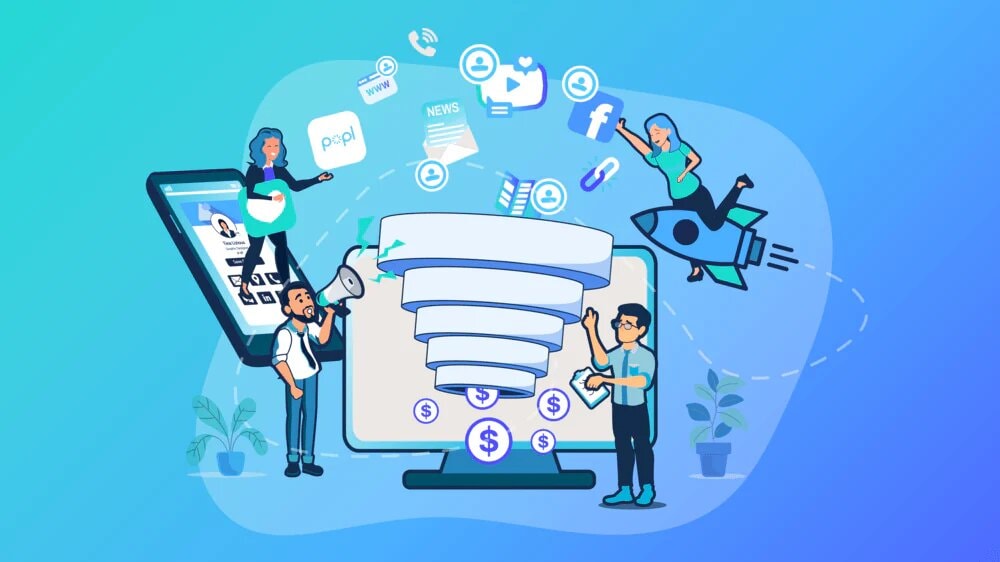
Not all free channels produce quality leads. The best sources are the ones where people already understand their problem and are actively evaluating options. Choosing the right source matters more than volume because intent determines conversion potential.
What High Intent Actually Looks Like
- People searching with specific, problem-focused queries
- Visitors reading service pages instead of generic content
- Users requesting contact details, pricing, or comparisons
Sources That Consistently Show Higher Intent
- Search traffic landing on solution pages, not blogs
- Direct outreach responses where relevance is clear
- Referrals from trusted contacts who pre-qualify interest
- Direct visits to key pages of your website
A Simple Way to Spot Intent Early in Cold Emailing
If someone moves from content to a contact page, or asks a focused question about fit, that behavior signals readiness. This is the point where interest shifts from learning to deciding.
Why This Matters for Conversion
Intent is the difference between attention and action. When sources align with decision-stage behavior, follow-ups feel natural, not forced. That alignment is the foundation of predictable results.
Understanding which sources carry real intent sets the stage for building a conversion plan that keeps free leads from going cold.
Steps to Turn Free Leads Into Paying Customers on Your Website
Turning interest into revenue requires knowing how to use your website to guide decisions. Each step should help you move prospects forward with purpose. When executed correctly, free leads can become predictable opportunities for growth.
1. Filter Leads From High-Intent Pages and Actions
Pages and actions reveal readiness. Filtering signals helps focus energy on people who are already close to a decision instead of treating all traffic the same.
How this works in practice
- Track visits to service, pricing, or contact pages
- Note repeat visits or long time spent on key pages
- Separate casual readers from decision-focused visitors
A website that has a clear structure makes these signals visible instead of hidden in noise.
2. Qualify Your Lead Before Pushing Any Sales Message
Qualification ensures relevance. When you understand context first, conversations feel helpful rather than forced.
What to qualify early – Learn more about lead generation for software development companies and how to identify quality clients from the start.
- The problem they are trying to solve
- Why they reached out now
- Whether your solution fits their situation
This step protects time and improves the quality of conversations that follow.
3. Match the Offer Clearly for Your Buyer’s Exact Problem
Clarity reduces friction. Offers that reflect real needs create faster trust and smoother decisions.
What clarity looks like
- One offer tied to one problem
- Language that mirrors how buyers describe their issue
- Outcomes explained before features
When the offer matches intent, hesitation drops naturally.
4. Build Trust Early With Your Content and Proof
Trust grows when claims are supported. Content and proof remove uncertainty before price enters the discussion.
Effective trust signals
- Case studies placed near service explanations
- Clear examples of results, not vague claims
- Simple explanations of how outcomes were achieved (effective communication)
This is often the difference between interest and action.
5. Use Simple Follow-Ups That Can Help You Stay Top of Mind
Follow ups reinforce value. Timing and relevance matter more than frequency.
How to follow up well
- Reference the exact page or action they took
- Add one useful insight, not a reminder
- Keep the message short and specific
This keeps the conversation moving without pressure.
6. Position Your Solution as the Best Next Step, Not a Hard Sell
Positioning frames choice. When the solution feels logical, resistance drops naturally.
What effective positioning does
- Shows why this step fits now
- Connects the solution to their stated goal
- Avoids forcing urgency that does not exist
A clear next step often matters more than persuasion.
7. Align Pricing and Messaging to Be a Natural Decision
Pricing works best when expectations are set early. Alignment avoids hesitation later.
What alignment requires
- Pricing that matches the scope explained
- No surprises between pages and conversations
- Clear explanation of what is included
Consistency builds confidence at the moment of decision.
8. Create a Clear Way to Move From Interest to Purchase
Clear paths reduce drop off. Simplicity helps momentum carry forward.
A clear path usually includes
- One primary call to action
- One simple next step
- No competing choices on the same page
This is where structure turns intent into commitment.
When these steps work together, conversion stops feeling random. Your website becomes a system that supports decisions instead of leaving them unfinished.
Conclusion
Free lead generation works when action replaces noise. Instead of chasing visibility, focus on building a few repeatable actions designed to generate leads with intent. Progress comes from understanding which signals matter, how interest moves, and where structure is missing in of the choices you make each week.
What matters now is execution. You have to choose one or two channels, apply structure, and stay consistent long enough to see patterns form. That discipline turns free effort into steady momentum that you can rely on.