.jpg)

.svg)
.svg)
.svg)
Email campaigns go out on time. Tools are set up correctly. Dashboards show steady activity. Yet growth feels stuck.
That gap usually comes from strategies that sound proven but are applied without enough care. Small execution choices make a bigger difference than most teams expect.
This piece looks closely at where familiar email marketing strategies break down, and what businesses often overlook when they rely on them too easily.
What Is Email Marketing And Why Most Businesses Struggle With It
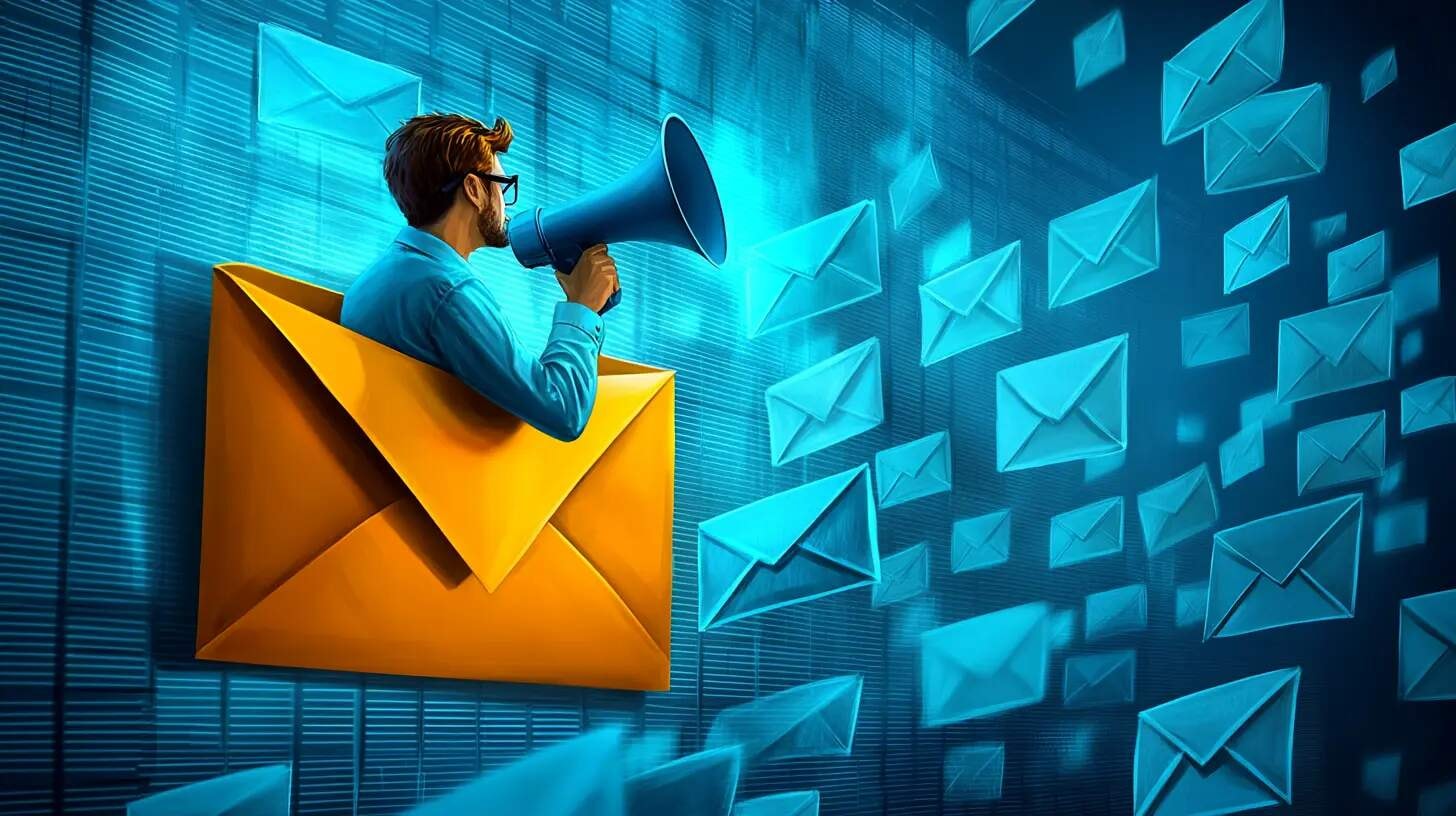
Email marketing is a permission based channel where communication happens by choice, not interruption. People opt in, give attention, and expect relevance in return.
That expectation is what separates email from most digital channels. Social feeds compete for attention, search answers intent, email arrives in a private space with focus.
What Email Marketing Includes
Email marketing covers newsletters, onboarding flows, product updates, offers, reminders, and service communication. Each format serves a different role, but all rely on timing, clarity, and relevance.
What It Does For A Business
When executed with intent, email supports growth in practical ways:
- Turns interest into action through timely prompts
- Builds familiarity through repeated, useful contact
- Increases lifetime value after the first conversion
- Supports retention through onboarding and guidance
- Creates owned reach that does not depend on algorithms
Why Most Businesses Struggle With Email Marketing
The struggle rarely comes from the channel itself. It comes from how decisions are made inside it.
Email often becomes a routine output instead of a thinking process. Campaigns are scheduled, templates are reused, and success is judged by surface activity.
Where Execution Breaks Down
Several gaps quietly shape weak performance:
- Goals stay unclear, so emails chase opens instead of outcomes
- Email lists grow without intent alignment, lowering engagement
- Messages stay broad, so relevance disappears
- Timing follows calendars, not user readiness
- Measurement focuses on activity, not business impact
These issues do not fail loudly. They erode performance slowly and consistently, which is why implementing re-engagement email campaigns can be crucial for revitalizing interest among inactive subscribers.
Example From Real Use
A business sends the same promotional email to new subscribers, active users, and long term customers. New readers lack trust, active users feel interrupted, and loyal customers feel unseen. The offer is fine. The context is not.
Email struggles most when it ignores where the reader stands in their relationship with the brand. Without that awareness, even proven tactics lose strength.
Seeing these limits clearly changes the next question. The focus shifts from sending better emails to understanding how email fits inside the wider digital marketing ecosystem, which is exactly where the next section begins.
How Email Marketing Works In The Bigger Digital Marketing Ecosystem
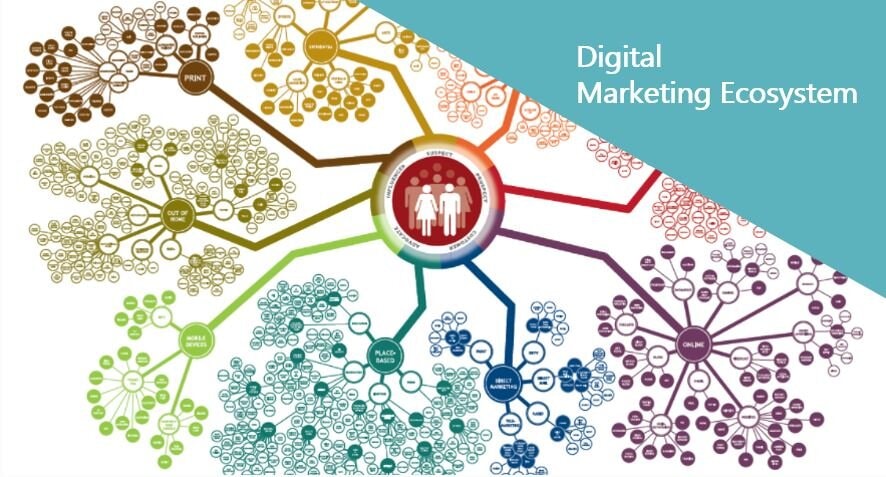
Email works best as the system that turns attention into action and action into repeat behaviour. It connects the moments before a purchase with the messages that keep a customer coming back.
How It Supports The Full Funnel
Email has a role at each stage, but the job changes based on intent.
- Awareness, turns visitors into subscribers with a clear reason to join
- Consideration, educates with proof, comparisons, and helpful guidance
- Conversion, nudges action with timed offers, reminders, and clear CTAs
- Retention, keeps customers engaged with onboarding, support, and loyalty
- Reactivation, brings back inactive users with relevance, not pressure
How It Works With Other Channels
Email becomes stronger when it follows a clean handoff from other channels.
- Search captures high intent, email continues the journey after the click
- Content builds trust, email delivers the next step in a focused way
- Paid ads create reach, email turns paid attention into owned reach
- Social media builds awareness, email builds depth and repeat contact
Why Social Media Matters Here
Social media is fast and wide, email is steady and direct. Social media helps people discover a brand, email helps them stay connected and move forward.
Example Of The Ecosystem Working Well: For businesses looking to improve their communication, understanding the 10 advantages of email can be a great starting point.
A skincare brand posts a short routine on social media and links to a detailed guide. The guide offers a simple sign up for a routine checklist. New subscribers get an onboarding series that explains products by skin type, then a timed offer for their first order.
When this ecosystem is clear, strategy stops being random and starts becoming a sequence. The next section looks at why poor strategy breaks that sequence, and why email marketing campaigns fail even when effort stays high.
Why Poor Strategy Causes Email Marketing Campaigns To Fail In Today’s Digital Landscape
Poor strategy is not a lack of effort, it is a lack of direction. Emails go out regularly, but each send exists as a standalone action, not part of a designed sequence.
How Strategy Failure Shows Up In Campaign Results
Most campaign problems trace back to a few predictable patterns:
- Goals are unclear, so teams optimise for opens instead of business outcomes
- Targeting is weak, so the same message reaches people with different intent
- Offers arrive without context, so readers do not feel ready to act
- Timing is random, so good emails land at the wrong moment
- Messaging is inconsistent, so trust builds slowly or not at all
Why Today’s Digital Landscape Makes This Worse
People receive more messages across more platforms than ever. Attention is selective, inboxes are crowded, and trust is earned through relevance, not repetition.
Email also competes with real time channels. Social media can trigger interest instantly, search can answer questions in seconds, and messaging apps keep conversations moving. In that environment, email wins only when it respects intent and timing.
Where Teams Lose The Plot Most Often
These are the common strategy mistakes that quietly break performance:
- Treating every campaign like a promotion
- Copying what competitors send without knowing why it works
- Writing for the whole list, instead of one segment at a time
- Measuring activity, instead of contribution to revenue and retention
- Automating too early, before the message is stable and proven
Example Of A Strategy That Fails Quietly
A SaaS brand sends weekly feature updates to every subscriber. New trial users feel overwhelmed, active users ignore details they already know, and older users need proof of value, not more features. The email is well written, but the strategy does not match the reader’s stage.
Once poor strategy is visible, the fix becomes easier to design. The next section breaks down the email marketing strategies most businesses think work, but don’t, and shows where execution slips first.
10 Email Marketing Strategies That Don’t Work The Way Most Businesses Use Them
Email marketing strategies rarely fail because they are wrong. They fail because they are simplified, rushed, or copied without enough context. What looks proven on the surface often breaks once real users, timing, and intent come into play.
The strategies below are widely used and often recommended. This section looks at where they stop working in practice, and why careful execution matters more than familiarity.
1. One Off Welcome Emails
A one time welcome email is often used to introduce a brand to new subscribers. It is meant to confirm the sign up and start the relationship. In practice, it often becomes the only interaction at the most important moment.
Where It Stops Working Well
A single email cannot carry context, trust, and guidance at the same time. New subscribers are still unfamiliar with the brand, the product, and what comes next. When nothing follows the first message, attention fades before any real connection forms.
This approach also assumes readers are ready immediately. Most are not. They need repetition, clarity, and time to understand why the brand matters.
Who Should Be More Careful With It
- SaaS products with any learning curve
- Ecommerce brands with repeat purchase goals
- Subscription services that rely on long term engagement
- Content businesses building habit and trust
A More Reliable Way To Use It
A short onboarding sequence works better than a single touch. Two to four emails spread over a few days can explain value, set expectations, and guide the reader step by step. This creates familiarity before asking for action and gives the relationship room to form naturally.
Once onboarding is treated as a process instead of a task, the focus shifts to how email lists are built and who enters them. That is where the next strategy begins.
2. High Volume Email List Growth
High volume email list growth focuses on adding as many subscribers as possible in a short time. It often uses discounts, giveaways, or broad sign up prompts to increase numbers quickly.
Where It Stops Working Well
Volume brings people in, but intent decides whether they stay. When subscribers join only for an incentive, engagement drops once the reward is used. Over time, open rates soften and campaigns lose reach even among interested readers.
Who Should Be More Careful With It
- Ecommerce brands using frequent discounts
- New businesses building deliverability from scratch
- Teams relying heavily on promotional revenue
A More Reliable Way To Use It
List growth works better when entry points match future content. Fewer sign ups with clear intent create stronger engagement and better long term performance.
This naturally leads to how subscribers are grouped once they enter the list.
3. Broad Segmentation Without Intent
Broad segmentation groups subscribers using basic traits like age, location, or signup source. It is used to add structure without deep analysis.
Where It Stops Working Well
These signals explain who someone is, not why they are paying attention. Messages feel generic because readiness, interest, and timing are missing from the decision.
Who Should Be More Careful With It
- B2B businesses with long decision cycles
- SaaS products with multiple use cases
- Content driven brands with mixed audiences
A More Reliable Way To Use It
Segmentation works best when built around behaviour. Actions show intent far more clearly than static attributes.
Once segmentation improves, personalization becomes the next pressure point.
4. Name Only Personalization
Name based personalization adds a subscriber’s name to the subject line or greeting. It is meant to make emails feel human and direct.
Where It Stops Working Well
Recognition is not relevance. When the content stays the same, the email still feels generic. Readers notice the gap quickly.
Who Should Be More Careful With It
- Brands sending frequent campaigns
- Teams relying on templates
- Businesses with diverse product lines
A More Reliable Way To Use It
Personalization works when content reflects behaviour, interests, or stage. Names support familiarity, but relevance drives engagement.
As personalization grows, automation usually follows.
5. Set And Forget Automation
Automation is used to save time and maintain consistency. Once built, flows are expected to run without regular review.
Where It Stops Working Well
User behaviour changes faster than automation. Messages age, timing drifts, and relevance fades while the system keeps running.
Who Should Be More Careful With It
- Fast growing startups
- Product led businesses
- Teams scaling quickly
A More Reliable Way To Use It
Automation needs regular review. Small adjustments based on engagement keep flows aligned with real behaviour.
Automation often feeds directly into promotions, where another risk appears.
6. Constant Promotional Emails
Promotional emails are used to drive immediate sales through offers and urgency. They are easy to measure and show fast results.
Where It Stops Working Well
Frequent promotions train readers to wait. Value emails lose attention, and discounts become the only trigger for action.
Who Should Be More Careful With It
- Brands with thin margins
- Businesses competing on price
- Teams focused only on short term revenue
A More Reliable Way To Use It
Promotions work best when balanced with education and product understanding. Context makes offers feel timely, not repetitive.
Retention emails often follow promotions, with mixed results.
7. Generic Loyalty Emails
Loyalty emails aim to reward repeat customers and encourage long term connection. They often follow fixed schedules or milestones.
Where It Stops Working Well
When loyalty messages ignore actual behaviour, they feel automated and distant. Readers stop seeing them as meaningful recognition.
Who Should Be More Careful With It
- Subscription services
- Brands with tiered customers
- Businesses tracking lifetime value
A More Reliable Way To Use It
Loyalty emails feel stronger when tied to usage, tenure, or specific milestones. Relevance matters more than frequency.
When engagement drops, re engagement emails usually come into play.
8. Delayed Re Engagement Emails
Re engagement emails are sent after a long period of inactivity. They aim to bring subscribers back with reminders or offers.
Where It Stops Working Well
Waiting too long means interest has already faded. The message arrives after the relationship has gone quiet.
Who Should Be More Careful With It
- Content newsletters
- Apps with short usage cycles
- Brands relying on habit formation
A More Reliable Way To Use It
Early signals work better than long gaps. Light nudges based on declining engagement keep attention alive.
Testing is often used to improve these efforts.
9. Random Testing Without Direction
Testing is meant to improve performance through comparison. Subject lines, timing, and content are changed to see what performs better.
Where It Stops Working Well
Without a clear question, results lack meaning. Teams collect data but gain little insight.
Who Should Be More Careful With It
- Campaign heavy teams
- Brands chasing open rates
- Marketers testing too many variables
A More Reliable Way To Use It
Testing works best when each experiment answers one clear question. Learning improves when focus stays narrow.
Cross channel messaging adds one final layer of complexity.
10. Unaligned Cross Channel Emails
Cross channel emails support campaigns running on ads, content, or social platforms. They are meant to reinforce the same message.
Where It Stops Working Well
When email messaging does not match what users saw earlier, trust weakens. The journey feels disconnected.
Who Should Be More Careful With It
- Brands active on social media and paid ads
- Teams running multiple campaigns at once
- Businesses scaling acquisition
A More Reliable Way To Use It
Email works best when it continues the promise made at entry. Alignment creates continuity and confidence.
Seeing these patterns together reveals a larger truth. Even well known strategies fail when execution ignores context and intent. The next section looks at why email list quality remains the biggest barrier, even after the right strategies are chosen.
Why Brands Still Struggle To Build A High Quality Email List After Choosing The Right Strategy
Email marketing strategies can be well chosen and still fall short when the email list itself lacks intent. The plan exists, but the people entering it are not aligned with what the emails are built to deliver.
This section explains why list quality breaks even after strategy decisions are made, and how small gaps at entry quietly shape long term performance.
1. Low Intent Subscribers Entering The Email List
Low intent usually begins at the point of sign up. People join quickly and leave just as quietly.
What causes it
- Sign ups driven by discounts or giveaways
- Vague value promises at the entry point
What it leads to
- Early disengagement
- Clicks without long term interest
2. Mismatch Between Acquisition Source And Email Content
Every sign up source creates an expectation. When emails do not match that first promise, trust weakens.
Common signs of mismatch
- Educational content leading to sales heavy emails
- Social discovery followed by product only messaging
Example
A reader signs up from a helpful social post and receives a sales email first. The shift feels abrupt, and attention drops.
3. Over Incentivized Sign Ups That Attract The Wrong Audience
Incentives can distort who joins the list. The reward becomes the reason, not the content.
What this looks like in a welcome email
- High sign ups during offers
- Low engagement once incentives end
The list grows, but alignment shrinks.
4. Poor Expectation Setting During Email List Sign Up
Subscribers often do not know what will arrive next. Without clarity, anticipation never forms.
Expectation gaps usually include
- Email frequency
- Content focus
- Purpose of communication
Clear signals early reduce surprise later.
5. Inconsistent Messaging Across Digital Marketing Channels
Email reflects the wider brand voice. When tone or positioning shifts across channels, confidence fades.
Where inconsistency appears
- Friendly social content followed by formal emails
- Value led landing pages followed by pushy promotions
Consistency builds recognition and comfort.
6. Early Engagement Signals Being Ignored
The first interactions reveal intent quickly. These signals often go unused.
Early signals include
- Which emails get opened
- What links receive clicks
- Where attention pauses
Ignoring these keeps follow ups generic.
7. Email List Fatigue Caused By Frequency Or Irrelevance
Fatigue forms when emails arrive often without new value.
Common fatigue triggers
- Repeated messaging
- Offers without context
- Content that does not evolve
Readers disengage when predictability replaces usefulness.
8. Deliverability Issues Due To Inactive Subscribers
Inactive subscribers affect more than open rates. They affect reach.
What happens over time
- Lower inbox placement
- Reduced visibility for active readers
List health shapes deliverability quietly but consistently.
When these patterns appear together, strategy loses leverage. Fixing them requires a clearer process, not louder messaging. The next section focuses on the steps that turn email strategy into consistent conversion.
Steps To Make The Best Email Marketing Strategy That Actually Converts
A strong email strategy is not about sending more emails. It’s about sending the right message at the right time, to the right person, with a clear goal. These ten steps help you build a system that works even when your list grows, tools change, or channels shift.
1. Define Clear Business Goals Before Planning Any Email Marketing
Every successful email strategy starts with a purpose. Whether it’s increasing purchases, getting more sign-ups, or boosting repeat visits, the goal shapes every next step.
How To Do It Right
- Start by asking: what action do we want users to take after getting the email?
- Match the goal to a measurable metric: purchases, trial activations, webinar sign-ups, etc.
- Keep the focus narrow. One primary goal per campaign performs better than vague objectives.
What To Avoid
- Using emails for brand awareness alone without a call to action.
- Mixing goals like education and sales in a single email, which confuses the reader.
Example
A D2C skincare brand might focus its email goal on getting product reviews post-purchase, which helps build credibility and triggers repeat buying.
2. Align Email Marketing Strategy With Overall Digital Marketing Objectives
Your email marketing cannot run in isolation. If your digital team is focusing on a product launch or lead gen via ads, your emails need to amplify that.
How To Do It Right
- Sync the email calendar with broader marketing plans.
- Use email to reinforce messaging used in ads, social media, and landing pages.
- Share audience insights across teams for better alignment.
What To Avoid
- Running email discounts when your paid channels are promoting full-price bundles.
- Using different tones and offers across email and other channels.
Example
A fitness app promoting a 30-day challenge on Instagram should mirror the same CTA and tone in its email flows during the campaign window.
3. Understand Audience Intent And Email List Segments
Not every subscriber joins your list for the same reason. One came for a discount. Another followed your webinar. They cannot be treated the same.
How To Do It Right
- Segment by sign-up source, behavior, or purchase history.
- Map user intent to lifecycle stages: curious, comparing, committed.
- Write emails to match intent and stage.
What To Avoid
- Blasting all subscribers with the same generic offer.
- Ignoring passive users who might respond better to a re-engagement flow.
Example
A SaaS company sends a “get started” onboarding series to free trial users, while nurturing long-time inactive users with new feature updates and soft reactivation nudges.
4. Choose Email Marketing Campaign Types Based On Funnel Stage
Email types need to serve a clear stage: discovery, conversion, loyalty, or re-engagement. Sending a product update to someone who hasn’t even explored your site yet is a waste.
How To Do It Right
- Match campaigns to the funnel: newsletters for TOFU, offers for MOFU, testimonials and win-backs for BOFU or churned users.
- Keep the ask appropriate to the subscriber’s readiness.
What To Avoid
- Sending flash sales to cold leads with no previous engagement.
- Pushing demo bookings before educating the user about the product.
Example
A digital course business uses mini-tutorial emails for top-funnel leads, followed by timed discount emails only after click-based interest is shown.
5. Select Email Marketing Tools That Match Strategy And Scale
Choosing the right platform depends on what you’re trying to build. Sending plain newsletters? You don’t need heavy automation. Building flows across channels? You’ll need more.
How To Do It Right
- Compare tools based on integrations, automation depth, deliverability, and analytics.
- Start small, scale as complexity grows.
What To Avoid
- Picking a tool only because it’s cheap or popular.
- Ignoring reporting capabilities and list management features.
Example
A bootstrapped ecom brand might start with Mailchimp for basic flows, then move to Klaviyo when scaling into multi-segment journeys and predictive analytics.
6. Design Email Marketing Campaigns For Clarity And Action
Your content, visuals, and layout should move the user toward a specific action. That means trimming noise and guiding attention.
How To Do It Right
- Use clear headers, visual hierarchy, and mobile-optimized layouts.
- Make CTA buttons visible and action-oriented.
- One email, one action is usually best.
What To Avoid
- Long paragraphs with no visual breaks.
- Overloading emails with multiple conflicting CTAs.
Example
A travel company sends an email with a single, compelling CTA: “Book Your New Year Getaway,” with three destination blocks and nothing else.
7. Set Frequency And Timing Based On Engagement Signals
Sending too often fatigues users. Too little, and you’re forgotten. Timing is everything, and it should depend on how users interact.
How To Do It Right
- Use open/click rates and activity history to set email cadence.
- Offer email frequency preferences during sign-up or onboarding.
- Pause emails to inactive users after a threshold.
What To Avoid
- Treating all subscribers the same.
- Flooding inboxes during high-traffic sales seasons.
Example
An ed-tech brand stops emails for students who haven’t clicked in 45 days, and only resumes after triggering a re-engagement campaign.
8. Test Subject Lines, Content, And CTAs Continuously
What works for one group may flop for another. Testing helps you understand how subscribers behave, not how you think they will.
How To Do It Right
- Test one variable at a time: subject line, button color, offer angle.
- Run tests long enough to get reliable data.
- Track real outcomes like click-to-conversion, not just open rates.
What To Avoid
- Running A/B tests without a hypothesis.
- Making decisions from statistically weak sample sizes.
Example
An online grocery store tested “Get 20% off today” vs “You left something in your cart” and saw 3x higher conversion with the second.
9. Track Metrics That Directly Impact Conversions And Revenue
Not all metrics are equal. Opens and clicks matter, but if they don’t lead to revenue or engagement, you’re tracking the wrong thing.
How To Do It Right
- Focus on revenue per email, conversion rate, list growth rate, and churn rate.
- Connect email metrics with product usage or sales data.
What To Avoid
- Obsessing over open rates post iOS privacy changes.
- Celebrating vanity metrics with no business impact.
Example
A B2B SaaS firm tracks trial-to-paid conversion from nurture flows and improves onboarding emails to shorten that journey.
10. Optimize And Refine Strategy Based On Performance Data
Email strategy isn’t set once and done. Performance data reveals where to pivot, what to drop, and what to double down on.
How To Do It Right
- Review campaign performance monthly or quarterly.
- Identify drop-offs in flows and tweak subject lines, CTAs, or delays.
- Sunset underperforming segments.
What To Avoid
- Repeating the same campaigns without adjustments.
- Ignoring new behavioral patterns in your list.
Example
An NGO running donation drives noticed better response when emails were tied to real-time events, so they adapted their campaigns around breaking news cycles.
These ten steps turn email from a guessing game into a reliable growth engine.
FAQs
1. How Long Does It Take To See Results From Email Marketing Efforts?
You may see opens and clicks within a day, but meaningful results like conversions usually take 4 to 8 weeks, depending on list quality and campaign type.
2. What Role Does Timing And Social Media Activity Play In Email Campaign Effectiveness?
Good timing improves opens, while active social media presence builds familiarity. Together, they increase trust and response rates.
3. How Much Data Is Enough To Personalize Emails Without Overcomplicating Things?
Three to four data points like signup source, behavior, and past actions are enough to personalize emails effectively.
4. How Do Businesses Decide Which Metrics Matter Most For Their Stage Of Email Marketing?
Early stages focus on opens and clicks, while mature programs track conversions, revenue, and long term engagement.
5. What Are The Common Legal And Compliance Rules To Know In Email Marketing Tools And Use Of Email Marketing?
Always email opted-in users, include an unsubscribe option, use clear sender details, and follow laws like GDPR and CAN-SPAM.
Conclusion
Every email you send either builds trust or wastes attention. Most brands lose impact not because email is broken, but because familiar strategies get used without adapting them to the moment. The real advantage starts when you stop relying on what feels normal and start focusing on what actually works.
Take what you’ve learned here, review your current campaigns, and trim what isn’t pulling its weight. The inbox isn’t a dumping ground, it’s a direct line. Use it wisely.