.png)

.svg)
.svg)
.svg)
The first sign something is wrong with SEO is not falling rankings. It is when effort increases, reports grow thicker, and business results stay exactly the same.
That moment is when top brands slow down and reassess who they are working with. They do not chase tactics or timelines. They filter partners based on how clearly revenue intent is understood, how priorities are set, and how confidently trade-offs are explained before execution begins.
This shortlist reflects how those decisions are made, using the same lens brands apply when choosing an SEO agency in Bangalore they can trust with growth, budgets, and accountability.
SEO Agencies in Bangalore That Meet Top Brands Filtering Standards
Choosing the best SEO agency in Bangalore depends on trust, execution, and outcomes. Businesses look for a leading SEO agency that can offer SEO services responsibly, deliver best SEO services consistently, and build client satisfaction over time.
This section highlights agencies recognized as a trusted SEO company for sustainable growth.
1. J6 Venture
J6 Venture focuses on SEO that connects rankings with business outcomes rather than visibility alone. Their strategies often combine SEO planning, funnel alignment, and conversion thinking. The emphasis stays on making organic growth commercially meaningful.
- Best Features: Revenue-focused SEO strategy, conversion alignment
- Price: Mid to premium
- Who This Is Best For: Businesses that want SEO tied closely to revenue impact
2. Webenza
Webenza blends SEO with broader digital marketing execution, making them suitable for brands that want visibility across channels. Their SEO work often integrates content and paid efforts, helping brands balance discovery with conversion. The focus stays on alignment rather than isolated tactics.
- Best Features: Integrated SEO and digital marketing services, content alignment
- Price: Mid-range, flexible across retainers
- Who This Is Best For: Brands seeking SEO as part of a larger growth mix
3. BrandStory
BrandStory approaches SEO from a brand and messaging perspective, ensuring search visibility supports long-term positioning. Their work often emphasizes content structure, intent mapping, and consistency across touchpoints. SEO here supports recall as much as rankings.
- Best Features: Brand-led SEO, content strategy, intent-focused optimization
- Price: Mid-range
- Who This Is Best For: Companies that care about brand voice alongside search growth
4. EchoVME Digital
EchoVME Digital brings strong experience in combining SEO with social and content-driven visibility. This helps businesses maintain relevance beyond search engines alone.
- Best Features: SEO with social media integration, audience engagement focus
- Price: Mid-range
- Who This Is Best For: Businesses that want SEO supported by strong social presence
5. SEOValley Solutions
SEOValley Solutions has long-standing experience handling SEO at scale, particularly for competitive industries. Their strength lies in process maturity and volume execution across markets. The focus is on maintaining consistency across large SEO campaigns.
- Best Features: Scalable SEO processes, global delivery experience
- Price: Mid-range to premium
- Who This Is Best For: Companies managing large websites or multi-market SEO needs
6. Ralecon
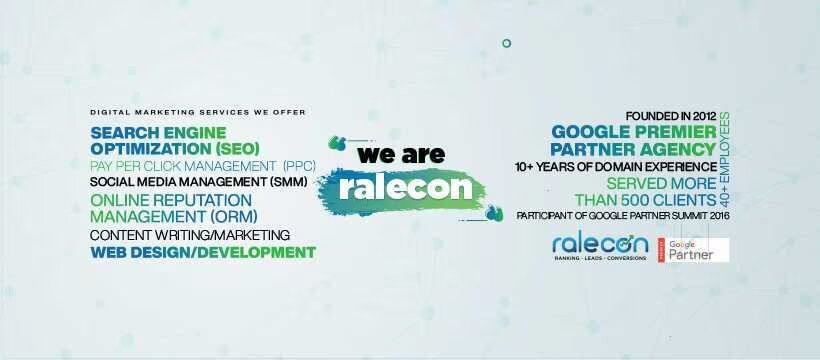
Ralecon is known for structured SEO execution rooted in data, audits, and measurable improvements. Their approach focuses on fixing technical gaps first, then building visibility through consistent optimization.
They are often chosen by businesses that want clarity over experimentation and steady progress over spikes.
- Best Features: Technical audits, data-driven SEO strategy, reporting clarity
- Price: Mid to premium, based on scope and complexity
- Who This Is Best For: Businesses that want disciplined execution and predictable SEO outcomes
7. Growth Hackers Digital

Growth Hackers Digital approaches SEO as part of a broader growth system. Their strength lies in experimentation, analytics, and cross-channel learning. SEO here benefits from rapid feedback loops and performance tracking.
- Best Features: Experiment-led SEO, analytics-driven decisions
- Price: Mid-range
- Who This Is Best For: Startups and growth-stage companies testing scalable channels
8. Stan Ventures

Stan Ventures is known for process-heavy SEO delivery with a strong focus on link building and authority growth. Their execution suits brands looking for structured off-page SEO support alongside ongoing optimization.
- Best Features: Link building, scalable SEO operations
- Price: Mid-range
- Who This Is Best For: Businesses prioritizing authority and backlink growth
9. iQuanti
iQuanti operates at the enterprise end of SEO, combining analytics, modeling, and large-scale optimization. Their SEO work often integrates deeply with business intelligence and long-term forecasting.
- Best Features: Enterprise SEO, advanced analytics, large-scale optimization
- Price: Premium
- Who This Is Best For: Enterprises with complex websites and long decision cycles
10. RankOn Technologies
RankOn Technologies focuses on practical SEO execution. Their services typically balance affordability with consistent delivery, without overcomplicating strategy.
- Best Features: Cost-effective SEO, straightforward execution
- Price: Affordable to mid-range
- Who This Is Best For: Small to mid-sized businesses seeking steady SEO support
Choosing an SEO agency stops being difficult once the focus shifts from promises to patterns. The agencies that last are the ones that connect rankings to intent, intent to leads, and leads to sustainable revenue.
When that connection is clear, decisions become quieter, confidence grows, and growth starts to feel earned rather than chased.
Steps Top Brands Use to Narrow Their SEO Agency Choices in Bangalore
Top brands narrow their SEO agency choices by filtering for business fit, intent clarity, execution ownership, and cost discipline. The focus stays on partners who can explain trade-offs, scale responsibly, and deliver consistent results in competitive Bangalore markets.
1. Match the Agency’s Core Strength to Your Business Model
Strong brands start by mapping their business model to the agency’s real strengths, not its pitch. A local service company benefits more from local SEO services, while a SaaS or ecommerce brand needs deeper and scalable search engine optimization practices.
What brands look for
- Proof of work on similar business websites
- Clear understanding of how revenue is generated
- Alignment between offerings and target audience
Example
A clinic prioritizes local search results and Google Maps, while a SaaS firm values organic traffic growth and content depth.
2. Prioritize Intent and Conversion Alignment Over Traffic Volume
Traffic alone is not a success metric. Brands evaluate whether an agency’s SEO strategy connects keywords, pages, and actions to quality leads and conversion rate optimization.
Signals that matter
- Use of relevant keywords tied to buying intent
- Page structures designed for enquiries, demos, or purchases
- Clear explanation of how traffic becomes business outcomes
This step filters out agencies that chase impressions instead of intent.
3. Assess Whether Their Experience Fits Your Competition Level
Top brands compare experience against market pressure. Competing in Bangalore requires understanding crowded search engine results pages and aggressive keyword rankings..
What brands check
- Case studies in similar competitive environments
- Ability to plan for organic growth, not short spikes
- Comfort handling scale through structured SEO campaigns
Example
A startup may grow with focused execution, while an enterprise needs a search engine optimization company that can manage volume and complexity.
4. Evaluate How Clearly They Explain Strategy and Trade-Offs
Clarity signals maturity. Brands favor agencies that explain the SEO process, trade-offs, and sequencing without hiding behind jargon.
What clarity looks like
- Plain explanation of on page SEO, off page SEO, and technical SEO
- Honest discussion of limits, timelines, and dependencies
- Clear reasoning behind keyword research and prioritization
Agencies that explain trade-offs early tend to deliver steadier SEO results later.
5. Check Who Will Own Strategy, Execution, and Reporting
Accountability matters more than brand names. Top brands want visibility into the SEO team and decision ownership.
What brands confirm
- Named owners for strategy and execution
- Consistent reporting tied to organic traffic, not vanity metrics
- Use of tools like Google Analytics for real insight
This avoids confusion once SEO efforts move from planning to execution.
6. Compare Pricing Against Scope, Not Promises
Budget evaluation is grounded in scope. Brands assess whether SEO packages, and deliverables justify cost, not whether pricing sounds attractive.
What gets evaluated
- Defined scope across content, links, and audits
- Inclusion of essentials like SEO audit or technical SEO
- Transparency around add-ons and revisions
Agencies offering affordable SEO services still need disciplined scope to protect outcomes.
7. Choose Long-Term Consistency Over Short-Term Guarantees
Guarantees fade fast in competitive markets. Brands prefer partners that show process discipline and repeatability.
What signals consistency
- Documented workflows and SEO plan
- Ethical link building and sustainable practices
- Focus on online visibility and durability, not shortcuts
This final filter separates dependable partners from risky experiments.
Once these filters are applied, the remaining agencies are judged less on claims and more on execution history, which sets up a clearer evaluation of results and performance metrics in the next section.
Common Red Flags That Signal an SEO Agency Is Not the Right Fit
This section highlights early warning signs that help businesses rule out SEO agencies before deeper evaluation. These red flags focus on weak planning, unclear accountability, and performance signals that look active on paper but fail to support real business outcomes.
1. Guaranteed Rankings or Fixed Timelines With No Real SEO Plan
Guarantees usually replace thinking. When timelines are promised without a documented SEO plan, it signals guesswork rather than disciplined execution across search engine results pages.
Why brands walk away
- No explanation of sequencing or dependencies
- No reference to technical groundwork or content readiness
- No discussion of ranking volatility across search engines
2. Strategy Conversations That Start With Keywords Instead of a Clear SEO Strategy
Starting with keywords often signals surface-level planning. Strong SEO work begins by defining page roles, funnel stages, and business priorities, then uses keywords to support that structure. When keywords lead the conversation, the underlying strategy is usually missing.
Early warning sign
- No discussion of buyer journeys or page purpose
- No linkage between search engine optimization services and business outcomes
This often leads to traffic that looks active but stays commercially irrelevant.
3. No Clarity on Which SEO Experts Own Strategy, Execution, and Reporting
When responsibility is unclear, accountability disappears. Serious brands avoid agencies that cannot name the SEO experts responsible for decisions and delivery.
What raises concern
- Sales-led communication with no visible SEO team
- Reporting handled by someone disconnected from execution
- No owner for the overall SEO process
4. Monthly Reports That Show Activity but No Business Impact
Activity-heavy reports create comfort, not clarity. Brands disengage when reports list tasks but fail to explain impact on organic traffic, website traffic, or online visibility.
Signals of weak reporting
- No interpretation of data from Google Analytics
- No connection between changes and search rankings or keyword rankings
- No mention of technical factors like core web vitals
5. Heavy Focus on Traffic Volume With No Discussion of Conversions
Traffic volume is easy to inflate. Brands step back when agencies avoid conversations about conversion rate optimization and lead quality.
Why this matters
- Organic traffic growth without intent rarely compounds
- Pages may rank yet fail to support enquiries or sales
- The fix is usually structure and intent, not more keywords
6. Vague Link Building and Off Page SEO Packages Without Transparency
Opaque off page SEO and link building packages introduce long-term risk. Brands expect to understand where authority comes from and why it supports visibility.
Clear red flags
- No source visibility
- No explanation of how links support search engine results
- Emphasis on volume instead of relevance
7. Reluctance to Explain Trade-Offs, Risks, or Limitations
Avoidance of risk conversations signals inexperience. Mature agencies can explain where technical SEO, local SEO strategies, or even Google Ads may be required instead of forcing SEO everywhere.
What earns trust
- Clear prioritization
- Honest limits
- Willingness to say no when effort will not compound
When these red flags are removed early, decision-making becomes cleaner. What remains is not persuasion, but verification through audits, scope clarity, and measurable performance signals.
How SEO Actually Progresses Over Time When the Work Is Right?
SEO progress has a pattern you can track, even before rankings move. The first changes show up in crawlability, page performance, and clearer intent across the pages that matter.
For a company in Bangalore, the timeline becomes easier to judge when each phase has visible signals, not vague promises.
Weeks 1 to 4: Make the Site Easy for Search Engines to Read
This phase is where technical friction gets removed so pages can compete fairly.
What should happen
- A focused SEO audit that lists fixes in priority order
- Core fixes covered under technical SEO services, including indexability and site structure
- Core Web Vitals improvements on money pages
- Tracking cleanup in Google Analytics, including key actions
- Local basics checked, including Google Business Profile consistency
Example
A service page may not jump in google ranking yet, but impressions rise and crawl errors drop.
Weeks 5 to 8: Build Pages That Match Real Search Intent
Now the goal is relevance, not volume. This is where keyword research supports page purpose.
What should improve
- Stronger on page SEO on services and location pages
- Clearer coverage for terms like seo services in bangalore
- Cleaner meta tags on pages already getting impressions
- Better alignment between offers and the target audience
- Early movement in search engine rankings for mid-intent terms
Example
A page targeting “seo company in bangalore” performs better when it answers comparison intent clearly.
Weeks 9 to 12: Add Authority With Transparent Off Page Work
Authority-building starts working when relevance is clear. This is where off-page work must stay explainable.
What good looks like
- Link building that is sourced, reviewed, and tied to priority pages
- Off page SEO work that supports credibility, not volume
- Reporting that connects actions to search rankings and traffic quality
- Steadier gains across multiple queries, not one lucky page
Example
A bangalore seo company page may move from page three to page two, while enquiry quality improves.
Month 4 to 6: Expand Coverage Without Diluting Quality
This is where results begin to compound across pages, not just one.
What progress looks like
- Measurable lift in organic traffic to service pages
- More stable online visibility across branded and non-branded terms
- Broader coverage through comprehensive seo services, not random content
- Clear pathways for offers like e commerce seo services if relevant
- More consistent performance across search engines and locations
Month 6 and Beyond: Scale Through Systems, Not Constant Reinvention
This phase separates durable performers from short runs. Strong SEO becomes repeatable.
What stability looks like
- Repeatable SEO practices that keep core pages fresh and accurate
- Targeted expansion through targeted seo strategies, not scattered topics
- A clear scope that matches seo packages to business goals
- Optional support from digital marketing services like Google Ads or social media marketing, when it fits the growth plan
This is also when a trusted seo agency or a top seo company feel different, because outcomes stay stable without constant firefighting.
When this timeline is clear, the next step is knowing when to move beyond seo services.
When to Move Beyond SEO and Expand Your Digital Marketing Mix?
A well-run SEO program creates compounding visibility, but growth targets do not always wait for compounding to catch up. The right move is not replacing SEO, it is adding channels that solve a specific constraint.
This decision becomes clearer when you can name what SEO is doing well, and what it cannot speed up yet.
When expanding makes strategic sense
- Quarterly targets require faster reach
- The website is improving, but conversion lift is slower than pipeline needs
- Competition is saturating the same keywords, so marginal SEO gains take longer
- Brand recall is the missing lever, buyers need repeat exposure before they search
- You serve local businesses, but nearby intent is also being won through paid placements and map visibility
Example
A clinic may rank well for service terms, yet bookings spike only when local ads run during seasonal demand.
What to Add First, Based on the Constraint You Are Solving
The first add-on should match the bottleneck, not the trend.
If the constraint is speed
- Use Google Ads to capture intent quickly around priority services and locations
- Pair ads with the highest-converting service page, not a general homepage
If the constraint is reach
- Add content distribution and social media marketing to create familiarity before search
If the constraint is coordination
- Work with a digital marketing company when multiple channels need one operating system
- Choose a partner that can run paid, content, and SEO without competing priorities
A leading seo company will usually recommend expansion when the math supports it, not when retainers need upsell.
If you want to compare agencies fairly at this stage, the next step is knowing which questions reveal whether an agency can run a multi-channel plan without diluting SEO focus.
FAQs
1. How Should SEO Services Be Structured in a Contract to Avoid Scope Confusion?
SEO services should be defined by deliverables, timelines, ownership, and reporting standards. Clear scope prevents surprise costs and sets accountability. This level of clarity is usually consistent with how a best seo company structures long-term engagements.
2. When Does Local SEO Stop Being Effective for Businesses Expanding Beyond One City?
Local SEO plateaus when growth depends on non-location intent or multi-city demand. At that point, bangalore seo services need to extend into broader content coverage, authority building, and intent-led pages that support regional discovery.
3. How Do Agencies Decide Which Relevant Keywords Deserve Long-Term Investment?
Agencies prioritize keywords based on intent strength, conversion potential, and competition, not just volume. Keywords that consistently attract qualified enquiries stay in focus, while low-impact terms are phased out to protect momentum.
4. What Should a Free SEO Audit Actually Reveal Before Any Commitment?
A meaningful free seo audit highlights technical blockers, page-level gaps, and missed intent opportunities. It should explain priorities and risks clearly, not just list tools output or generic scores.
5. What Distinguishes a Bangalore SEO Agency That Scales Cleanly From One That Stalls?
A strong bangalore seo agency scales through repeatable processes, stable reporting, and clear ownership. Growth stalls when execution depends on ad-hoc fixes instead of systems that hold up as competition increases.
Conclusion
Choosing the right partner comes down to one clear action, look beyond rankings and ask how growth is being converted into revenue. The agencies that stand out are consistent in execution, honest in measurement, and disciplined in strategy, even when progress is gradual.
If you are evaluating an SEO agency in Bangalore today, use this list as a filter, not a shortcut. Focus on alignment, accountability, and long-term intent, because sustainable results are built by decisions made carefully, not quickly.