.jpg)

.svg)
.svg)
.svg)
Top sales teams do not perform well by chance. Their focus, pace, and results are shaped by the systems and sales competencies that guide daily work.
Top brands use sales incentives to create that structure. When incentives are clear and well designed, they help teams stay aligned, motivated, and consistent over time.
Below are twelve sales incentives top brands rely on to build high-performing teams and sustain strong performance.
12 Sales Incentives That Directly Shape Sales Team Performance
These incentives work because they shape what reps notice, what they repeat, and what they stop doing. The reward is only the surface, the real impact comes from the behavior it pulls forward.
To keep things clear, the incentives below are grouped by how they function in real teams, reward type, payout structure, team setup, and sales objective.
1. Incentives Based On Reward Type
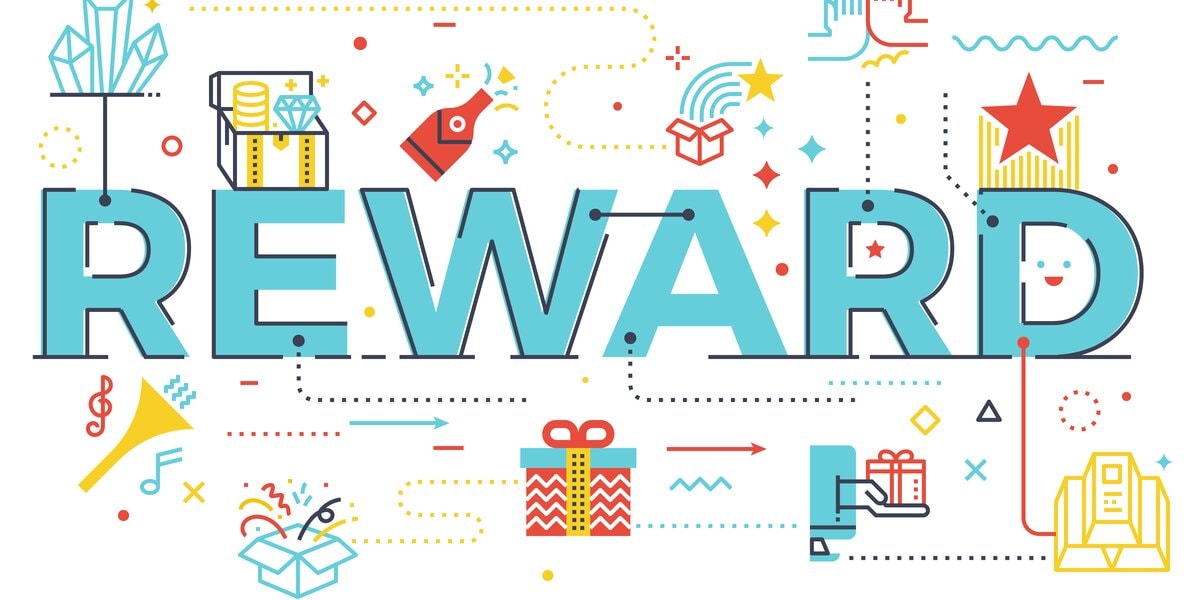
This group focuses on what form the reward takes. Some incentives motivate through money, others through recognition or personal value. The reward format matters because different teams respond to different signals, even when goals stay the same.
1.1 Monetary Sales Incentives
Monetary incentives reward performance with direct cash value. They work best when the team needs a clear, measurable push tied to outcomes.
Best used when
- You need fast focus on one measurable target
- The payout rules can stay simple and transparent
Watch for
- Rewarding speed over deal quality
- Creating pressure to discount to hit targets
Example: A fixed bonus for hitting a clean revenue target can improve consistency when margins are protected.
1.2 Non-Monetary Sales Incentives
Non-monetary incentives reward performance with value that is not cash, time off, experiences, learning, or flexibility. They often strengthen culture and consistency.
Best used when
- You want to build long-term engagement
- The team values recognition, time, or growth opportunities
Watch for
- Picking rewards that feel generic
- Using rewards that only appeal to one type of rep
Example: Extra time off after a strong quarter often feels more meaningful than a small cash add-on.
1.3 Recognition-Based Sales Incentives
Recognition incentives reward behavior through visibility and status. They work when the team values respect, progress, and internal credibility.
Best used when
- You want to reinforce good habits publicly
- You need to improve standards without changing pay
Watch for
- Turning recognition into favoritism
- Celebrating volume instead of quality
Example: Highlighting the cleanest deals, best discovery notes, or strongest renewals sets a standard others copy.
2. Incentives Based On Payout Structure
This group focuses on how and when rewards are paid. Payout structure affects trust, planning, and how reps pace their effort across weeks or quarters.
2.1 Commission-Based Sales Incentives
Commission incentives tie pay directly to revenue. They are strongest when they match the sales motion and reward the right level of effort.
Best used when
- Deals are clearly attributable to a rep
- The sales cycle and payout timing are stable
Watch for
- Incentives that reward discounting
- Confusing commission rules that reduce trust
Example: A commission plan that rewards higher margin deals protects revenue quality while keeping reps motivated.
2.2 Performance Bonuses
Bonuses reward specific milestones, quota, or business outcomes. They work best when they are predictable, fair, and tied to results the team can influence.
Best used when
- You need a focused push toward one outcome
- You want to reinforce a quarter-level priority
Watch for
- Bonuses that feel unattainable for most reps
- Bonuses that create end-of-period rush behavior
Example: A bonus for hitting a realistic quarterly target improves consistency more than a bonus that only one rep can reach.
2.3 Short-Term Sales Contests And SPIFs
Contests and SPIFs reward short bursts of behavior. They are useful for quick focus, testing new priorities, or creating energy around a push.
Best used when
- You need a short-term lift on one activity
- You want to drive attention to a new product or offer
Watch for
- Burnout from running contests too often
- Gaming behavior, like sandbagging or deal timing shifts
Example: A two-week SPIF on qualified demos can lift pipeline, if quality checks are clear.
3. Incentives Based On Team Structure

This group focuses on who the incentive rewards. Individual and team incentives shape how people collaborate and take ownership.
3.1 Individual Sales Incentives
Individual incentives reward personal output and ownership. They work when performance is attributable and roles are clearly defined.
Best used when
- Each rep controls a clear part of the outcome
- You want strong accountability and pace
Watch for
- Creating competition that hurts collaboration
- Ignoring handoffs that support deal success
Example: Rewarding clean opportunity progression helps reps focus on moving deals forward, not just adding volume.
3.2 Team-Based Sales Incentives
Team incentives reward shared outcomes. They work best in motions where success depends on collaboration across roles.
Best used when
- Deals require multiple contributors
- You want to improve handoffs and shared execution
Watch for
- Free rider issues when effort is uneven
- Goals that feel too far from daily control
Example: A team incentive tied to retention can improve cross-functional support when renewals depend on product and success teams.
4. Incentives Based On Sales Objectives

4.1 Incentives For Pipeline Generation
Pipeline incentives reward early-stage actions that create future revenue. They work best when quality is defined clearly.
Best used when
- Pipeline is thin or inconsistent
- You need more qualified meetings and strong discovery
Watch for
- Rewarding meetings that do not convert
- Inflated activity that clutters the CRM
Example: Rewarding qualified meetings that meet a clear ICP rule keeps pipeline clean.
4.2 Incentives For Deal Closures
Closure incentives reward late-stage execution, strong deal control, and clean closing behavior.
Best used when
- Deals stall at the last stages
- You need better follow-through and urgency
Watch for
- Discounting to close fast
- Pulling future deals into the current period
Example: Rewarding closes with margin thresholds protects revenue quality while improving win rates.
4.3 Incentives For Upselling And Cross-Selling
Upsell and cross-sell incentives reward expansion. They work best when they protect customer trust and focus on fit.
Best used when
- Existing customers have clear growth potential
- Teams can identify needs through good account work
Watch for
- Pushing add-ons that do not match customer value
- Creating short-term expansion that increases churn later
Example: Rewarding expansion tied to usage adoption keeps the incentive aligned with customer success.
4.4 Incentives For Customer Retention
Retention incentives reward renewals and long-term account health. They work when teams can influence customer outcomes, not just renew paperwork.
Best used when — setting, managing, and calculating sales targets to ensure effective business growth.
- Churn is rising or renewals feel unstable
- You want stronger account ownership and follow-up
Watch for
- Incentives that punish reps for factors outside control
- Retention targets without clear leading indicators
Example: Rewarding renewals alongside early risk actions, like renewal planning and health checks, improves consistency.
Sales Incentives: A Side-by-Side Overview
These 12 incentives are easier to use well when you understand what they are trying to shape, which leads naturally into how incentives change day-to-day sales performance in real teams.
How These Sales Incentives Shape Day-To-Day Sales Performance?
Sales incentives rarely fail at the idea level. They fail at the behavior level. What reps do every day is shaped less by motivation speeches and more by what gets rewarded consistently.
A well-designed incentive quietly trains judgment. It influences which leads get attention first, how carefully deals are qualified, and whether follow-ups happen on time or drift.
How Incentives Translate Into Daily Actions
Incentives act as filters. They tell reps what matters now, not in theory.
- They decide where time goes, prospecting, follow ups, renewals, or deal rescue
- They influence deal selection, strong opportunities get priority over long shots
- They shape urgency, especially near deadlines and quota cutoffs
- They affect process discipline, notes, next steps, and CRM updates improve when tied to rewards
When incentives are unclear, daily effort spreads thin. When incentives are precise, effort concentrates naturally.
What Changes Inside the Pipeline
Good incentives clean the pipeline without extra rules.
- Fewer weak deals enter early stages
- Stage movement becomes faster and more predictable
- Reps stop parking deals to inflate pipeline value
- Managers see clearer signals during reviews
This is why teams with simple incentives often outperform teams with complex scorecards.
How Incentives Influence Rep Psychology
Incentives also shape how reps think, not just what they do.
- Clear rewards reduce hesitation around tough calls
- Predictable incentives lower stress and improve consistency
- Misaligned incentives create defensive behavior and shortcut selling
When rewards feel fair and achievable, reps focus on execution instead of self protection.
Short-Term Versus Habit-Building Impact
Not all incentives build habits.
- Short sprints drive bursts of activity
- Ongoing incentives reinforce repeatable behavior
- Poorly timed rewards cause spikes followed by drop offs
Sustainable performance comes from incentives that reinforce the same behavior every week, not just at quarter end.
Example
A team rewarded for late stage deal progression starts protecting deal quality earlier, because every weak deal slows them down later.
Once you see how incentives shape daily behavior, the real question becomes fit. What drives a hunter does not motivate an account manager, and what works for new reps often stalls senior performers.
Choosing the right incentive depends on role clarity, responsibility, and where each person creates value, which is exactly where the next section begins.
Steps To Choose The Right Sales Incentive For Different Sales Roles
Sales incentives work when they reinforce how value is created in each role. A single incentive structure cannot serve prospecting, closing, and retention equally.
The right approach starts by separating roles clearly, then aligning incentives to the outcomes each role truly controls.

1. Sales Development Representatives (SDRs)
SDRs create value by generating qualified pipeline, not by volume alone. Incentives should protect quality while maintaining pace.
Best-Fit Incentives
- Conversion-weighted meeting payouts
- Bonuses tied to acceptance rate by account executives
Example
Paying SDRs only for booked meetings inflates volume. Paying for meetings that advance filters noise automatically.
2. Account Executives (AEs)
Account executives influence deal outcomes directly. Their incentives should reward closing strength without encouraging rushed or unhealthy deals.
Best-Fit Incentives
- Closed won revenue with deal quality thresholds
- Accelerators for clean stage progression
- Payout protection tied to churn or early loss signals
This keeps focus on closing well, not just closing fast.
3. Account Managers and Customer Success Roles
Retention and expansion depend on trust and timing. Incentives here should reinforce long-term value, not short-term pressure.
Best-Fit Incentives
- Renewal completion bonuses
- Expansion milestones tied to usage or adoption
- Portfolio health incentives across assigned accounts
These incentives reduce reactive selling and improve consistency.
4. Inside Sales and Transactional Roles
Speed and accuracy matter most. Incentives should reward efficiency without sacrificing experience.
Best-Fit Incentives
- Volume-based payouts with minimum quality checks
- Time-to-close bonuses
- Accuracy incentives tied to order correctness
This keeps momentum high while protecting customer trust.
5. Enterprise and Strategic Sales Roles
Enterprise deals unfold over longer cycles with multiple stakeholders. Incentives must reward progress, not just final outcomes.
Best-Fit Incentives
- Stage progression bonuses for verified deal movement
- Multi-quarter deal protection incentives
- Team-based rewards for shared account wins
These incentives reduce stall risk and encourage collaboration.
Managers influence systems, not deals. Their incentives should reflect team health, not individual heroics.
Best-Fit Incentives
- Forecast accuracy rewards
- Team performance consistency bonuses
- Retention and ramp-time improvement incentives
This aligns leadership behavior with sustainable performance.
When incentives are mapped this way, each role understands exactly how to win. That clarity makes it easier to evaluate which incentive types actually hold up across teams, which leads directly into the specific sales incentives that top-performing organizations use consistently.
How To Implement Sales Incentives Without Creating Chaos or Burnout?
Sales incentives work best when they feel predictable, fair, and easy to follow. Implementation is where most programs win or fail, because even a good incentive breaks when rules are unclear, tracking is messy, or the team feels whiplash week to week.
A clean rollout keeps performance focused. Reps know what counts, managers know what to reinforce, and the incentive strengthens daily execution instead of hijacking it.
Step 1: Start With One Behavior You Want More Of
Pick a single performance lever that matters right now.
- More qualified pipeline
- Faster stage progression
- Higher renewal completion
- Cleaner deal hygiene
This prevents stacked goals that pull reps in opposite directions.
Step 2: Define a Clear Win Condition in One Line
If a rep cannot explain the rule quickly, the rule will not guide behavior.
- What counts
- When it counts
- How it is verified
Keep it tight so it can be repeated consistently in coaching.
Step 3: Choose a Metric That Cannot Be Easily Gamed
Implementation fails when incentives reward volume without quality.
- Add a quality gate where needed
- Tie payouts to verified outcomes or progression
- Avoid vanity activity counts unless they predict revenue reliably
Example
If you pay for meetings booked, quality drops. Paying for meetings that convert protects the pipeline.
Step 4: Set a Tracking System Before You Announce the Incentive
Tracking must be ready before the first day of the program.
- Decide the source of truth, CRM, dashboard, or finance report
- Define who validates results
- Publish a simple score view reps can check anytime
This avoids debates, delays, and trust issues mid cycle.
Step 5: Align Managers on Coaching, Not Just Reporting
Managers turn incentives into daily reinforcement.
- Coach the behavior tied to the incentive
- Call out wins early, not only at month end
- Use the incentive to support existing process, not replace it
When managers reinforce the same priorities, reps stop guessing.
Step 6: Keep the Program Duration and Payout Rhythm Predictable
Unpredictable programs create confusion and short-term behavior swings.
- Run incentives long enough to form habits
- Use a payout rhythm that matches the behavior cycle
- Avoid overlapping contests that compete for attention
Step 7: Review Impact in a Way That Improves the Next Cycle
A good review focuses on what changed in behavior, not only who won.
- Did pipeline quality improve
- Did stage movement become faster
- Did renewals stabilize
- Did the team stay consistent across the period
This turns incentives into an operating system, not a one-time event.
Once implementation becomes repeatable, the next step is selecting the incentive types that fit your team’s goals and maturity level, so performance improves without constant redesign.
Common Sales Incentive Mistakes That Quietly Kill Performance
Most incentive plans fail through small design choices that look harmless at first. These mistakes shift focus away from quality, create confusion around payouts, and weaken trust in the system. Fixing them is less about adding more rewards and more about protecting clarity.
1. Rewarding Activity Instead Of Outcomes
Activity metrics are easy to count, so they often become the default. The problem is that activity does not always produce progress.
- Reward outcomes like qualified meetings, stage movement, or closed value
- Keep activity as coaching input, not the main payout trigger
Example: Paying for total calls can inflate volume, but paying for qualified meetings improves pipeline quality.
2. Making Incentive Rules Too Complex To Understand
Complex plans reduce belief. When reps cannot predict outcomes, they stop trusting the plan and start working around it.
What helps
- One primary metric
- Clear definitions
- Few exceptions
3. Changing Incentives Mid-Quarter
Changes break rhythm. Reps plan their month around incentives, so mid-cycle changes create confusion and reduce effort.
Example: If targets shift after deals are already in late stage, reps lose confidence in how payouts are decided.
4. Encouraging Discounting Without Safeguards
Incentives can reward closing fast, even when it hurts margins. Guardrails protect revenue quality while keeping momentum strong.
- Link rewards to margin bands
- Use approvals for deep discounts
- Reward clean closes, not rushed closes
5. Overusing Short-Term Contests And SPIFs
Contests create energy, but constant contests make performance feel like a sprint with no stable rhythm.
- Use SPIFs for short pushes
- Keep the main plan stable
- Run fewer contests with clearer goals
6. Ignoring Team Dynamics And Collaboration
Plans that reward only individual output can weaken handoffs and shared effort. Collaboration matters most in complex deals.
Example: A team reward for retention can improve coordination between sales and customer success when renewals depend on shared work.
7. Delaying Or Miscalculating Payouts
Payout accuracy is a trust issue. Late or incorrect payouts reduce belief in the system, even when the amounts are small.
- Keep payout timing consistent
- Use clear dispute rules
- Maintain clean tracking sources
8. Failing To Review And Update Incentives Regularly
Incentives can become outdated when products, pricing, or sales motion changes. Regular review keeps the plan aligned.
- Monthly checks for confusion and tracking issues
- Quarterly reviews for goal fit and fairness
Once these mistakes are clear, building a strong plan becomes easier, the final step is bringing everything together with a conclusion that helps teams apply incentives with clarity and consistency.
Steps To Measure Whether Sales Incentives Are Actually Working
Sales incentives are working when behavior changes first, then results follow. If you only look at revenue, you miss the early signals that show whether the plan is shaping daily work in the way you intended.
1. Confirm The One Outcome The Incentive Is Meant To Improve
Choose one clear outcome, then measure everything against it.
- Pipeline quality
- Win rate
- Deal value
- Margin
- Retention
2. Track The Leading Behaviors Before You Track The Final Number
Leading behaviors show whether the incentive is influencing execution.
- Qualified meetings booked
- Discovery completed to standard
- Stage progression rate
- Follow-up speed
- Multi-threading or stakeholder coverage
Example: If a pipeline incentive is working, you should see qualified meetings rise before closed revenue moves.
3. Compare Performance Before And After The Incentive Launch
Use a simple baseline. Look at the last 4 to 8 weeks, then compare the same window after rollout.
What to check
- Trend direction
- Week-to-week stability
- Variance across reps
4. Check For Unintended Side Effects
A strong plan improves one area without quietly damaging another.
- Discount rates
- Deal quality
- Churn risk
- CRM accuracy
- Sales cycle length
5. Measure Payout Efficiency, Not Just Payout Size
Look at what the company is paying for the change it is getting.
Helpful signals
- Cost per qualified meeting
- Cost per closed deal
- Incentive cost as a share of gross profit
6. Review Trust And Clarity Signals From The Team
If the plan is unclear, performance may rise briefly and then flatten.
- Reps can explain the plan in one minute
- Fewer payout disputes
- Less confusion around what counts
7. Recheck Fit Across Roles And Territories
If only a few reps win every time, the incentive may be rewarding luck, not execution.
Example: If inbound-heavy territories dominate payouts, adjust qualification or split credit rules.
8. Set A Simple Review Rhythm And Make Small Adjustments
Review monthly for clarity and tracking. Review quarterly for strategy fit. Keep changes small and well explained.
Once measurement is in place, the final step is pulling the full picture together, what to keep, what to fix, and how to use incentives as a steady lever for long-term sales performance.
Conclusion
High-performing teams are built through clear signals, steady systems, and incentives that reward the right work consistently. The strongest sales incentives do not push harder, they guide better.
Use what fits your team today, test it with care, and refine it with intention. When incentives are aligned with real behavior, performance follows naturally and stays strong over time.