.png)

.svg)
.svg)
.svg)
Creating YouTube content today demands far more than recording and uploading videos. Behind every successful channel lies an intricate web of tasks: research, optimization, engagement tracking, community management, and strategic distribution across platforms. For creators juggling production schedules with content strategy, the workload quickly becomes overwhelming. Many solo entrepreneurs and growing brands find themselves trapped in administrative quicksand, spending more time managing workflows than actually creating.
Understanding the Modern YouTube Workflow
Why YouTube Is No Longer a "Simple Upload" Platform
YouTube's landscape has evolved dramatically from its early days. The platform now hosts over 500 hours of content uploaded every minute, creating fierce competition for viewer attention. Algorithm expectations have grown sophisticated, demanding consistent upload schedules, strong engagement metrics, and optimized metadata. Audiences expect production quality, regular interaction, and multi-platform presence. What once required basic filming and uploading now involves strategic planning, SEO expertise, community management, and cross-platform distribution. Creators who treat YouTube casually quickly find themselves invisible in search results and recommendations.
Key Stages in a YouTube Video Workflow
Modern YouTube production follows distinct phases, each demanding specialized attention. Pre-production involves topic research, keyword analysis, script development, and content calendar planning. Production encompasses recording setup, equipment coordination, asset gathering, and file organization. Post-production includes editing coordination, thumbnail creation, metadata optimization, and upload scheduling. Finally, maintenance involves comment moderation, analytics review, content updates, and continuous optimization. Each stage contains dozens of micro-tasks that collectively consume enormous time, time that could be invested in creativity and strategy instead.
Why Creators Should Consider Hiring a Virtual Assistant
Time Reallocation and Higher Creative Output
The most valuable resource any creator possesses isn't equipment or software, it's focused creative time. When you're bogged down responding to emails, organizing files, or formatting descriptions, you're not developing compelling stories or connecting with your audience. Tasks like uploading videos, writing basic descriptions, moderating comments, and organizing assets don't require your unique creative vision; they're typical administrative assistant responsibilities that can be effectively delegated. They're necessary but not strategic. Delegating these responsibilities to a competent VA immediately multiplies your capacity for high-impact work. Creators who make this shift consistently report producing more content with higher quality because their energy flows toward ideation and execution rather than administration.
Cost Efficiency Compared to In-House Staff
Bringing on full-time employees involves significant overhead: salaries, benefits, office space, equipment, and training costs. Virtual Assistants offer remarkable flexibility, you can hire hourly for specific projects, establish monthly retainers matching your production volume, or scale support up and down seasonally. Many creators successfully hire Filipino VAs who bring strong English proficiency, technical skills, and cultural alignment at competitive rates. Without geographic limitations, you access global talent pools while maintaining lean operational costs. This approach lets emerging channels access professional support that would otherwise remain financially out of reach.
Supporting Consistency and Professionalism
YouTube's algorithm rewards consistency above almost everything else. Channels that publish predictably, maintain quality standards, and engage regularly see significantly better growth trajectories. However, maintaining this consistency alone often proves unsustainable, leading to creator burnout and erratic schedules. A dedicated VA ensures your workflow runs smoothly even during creative slumps or busy periods. They catch quality issues before publication, maintain brand voice across platforms, and keep your production schedule on track. This operational stability projects professionalism that attracts both viewers and potential sponsors.
Pre-Production Tasks a Virtual Assistant Can Fully Manage
Topic Research and Trend Identification
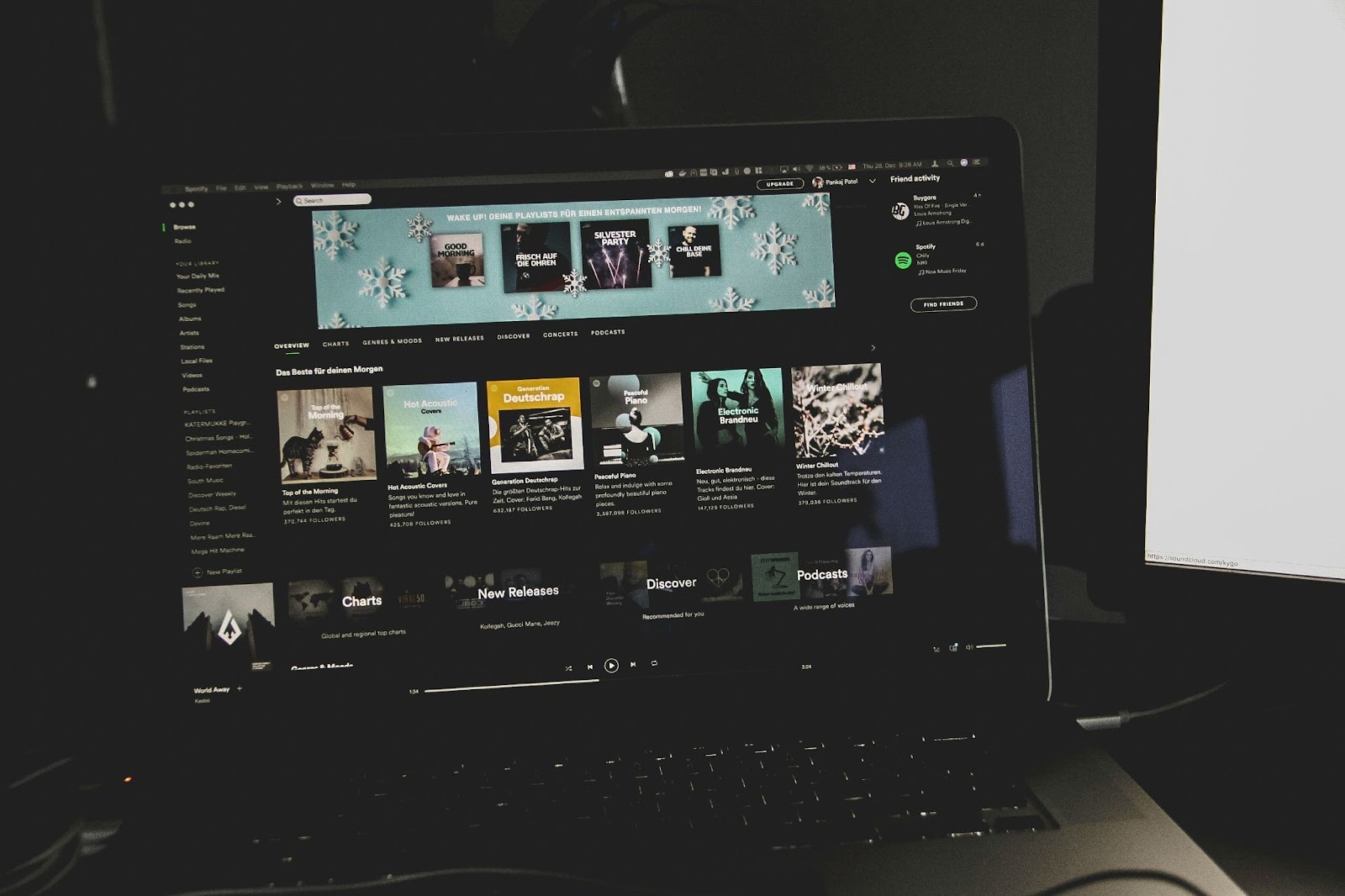
Effective content strategy begins with understanding what your audience wants and how broader trends align with your niche. VAs can systematically monitor tools like Google Trends, VidIQ, and TubeBuddy to identify emerging topics before saturation. They compile lists of potential video ideas ranked by search volume, competition level, and relevance to your brand. By analyzing competitor content, audience comments, and search patterns, they present curated opportunities that match your expertise and viewer demand. This research foundation ensures you're creating content with built-in discovery potential rather than hoping for algorithmic luck.
Script & Outline Preparation Support
Once topics are selected, transforming research into structured content requires organization. Virtual Assistants can develop detailed video briefs containing key talking points, supporting statistics, and suggested narrative flow. They organize brand guidelines, tone references, and visual inspiration into easily accessible folders. While you maintain creative control over final messaging, having professionally prepared outlines eliminates the blank-page paralysis that stalls production. Some creators provide VAs with rough concepts and receive back polished frameworks ready for recording, dramatically accelerating pre-production timelines.
Asset Preparation
Quality videos require various supporting elements: B-roll footage, stock images, music tracks, lower-thirds graphics, and branded templates. Hunting for these assets mid-production disrupts creative flow. VAs can proactively gather relevant materials, organize them into project-specific folders, and ensure proper licensing documentation. They maintain organized libraries of frequently used elements, making future productions even faster. By the time you're ready to record, every supporting asset is prepared, labeled, and accessible, removing friction from the creative process.
Production Support a Virtual Assistant Can Handle Remotely
Equipment & Schedule Coordination
Even straightforward recording sessions involve coordination: booking studio time if you rent space, scheduling team calls for collaborative content, or coordinating remote interviews across time zones. VAs manage these logistics, sending calendar invites, confirming availability, and providing participants with necessary technical instructions. They maintain production schedules that account for your energy patterns and other commitments, preventing overextension. This coordination ensures recording days run efficiently without last-minute scrambling or missed opportunities.
File Management & Backup
Raw footage quickly accumulates into terabytes of data requiring systematic organization. VAs implement consistent file naming conventions, folder structures, and backup protocols that prevent lost content and wasted time. They upload raw files to cloud storage, organize them by project and date, and share appropriately with editors on schedule. Proper file management seems mundane until you're frantically searching for that perfect take recorded three months ago, disciplined organization systems prevent these productivity sinkholes.
Documenting Creator Workflow SOPs
As your production process evolves, documenting what works creates replicable systems. VAs can observe your workflow and create standard operating procedures: checklists for recording days, templates for video briefs, quality control rubrics for final review. These documented processes become invaluable when scaling, training additional team members, or simply maintaining consistency during high-stress periods. What begins as personal workflow gradually transforms into professional systems that support growth.
Post-Production Tasks a VA Can Streamline for You

Editor Coordination & Quality Checks
Managing external editors or coordinating editing schedules requires clear communication about vision, deadlines, and revision processes. VAs serve as project managers, briefing editors on style requirements, communicating revision notes, and tracking progress against deadlines. They perform preliminary quality checks, catching audio sync issues, verifying brand guideline compliance, and ensuring promised elements appear correctly. This quality control layer prevents embarrassing mistakes from going live while freeing you from micromanaging every editorial decision.
Upload Management & Metadata Handling
Optimizing video metadata dramatically impacts discoverability, yet writing compelling titles, descriptions, and tags demands strategic thinking. VAs conduct keyword research to identify high-opportunity search terms, craft click-worthy titles that remain authentic, and write descriptions that balance SEO with viewer value. They can even generate YouTube video transcripts to improve accessibility and search indexing. They upload custom thumbnails, add timestamp chapters, configure end screens and cards, and schedule publications for optimal times. These seemingly small optimizations collectively determine whether your content reaches its potential audience.
Social Media Adaptation & Repurposing
A single YouTube video contains multiple content opportunities: short clips for Instagram Reels, quote graphics for Twitter, behind-the-scenes footage for Stories, or audio extracts for podcast episodes. VAs can identify compelling moments, create platform-specific adaptations, and schedule cross-platform distribution. This content multiplication maximizes your production investment while maintaining presence across the digital ecosystem where your audience spends time.
Audience Engagement Tasks a Virtual Assistant Can Manage
Comment Moderation & Community Replies
Active comment sections build community and signal engagement to algorithms, yet responding thoughtfully to hundreds of comments proves time-prohibitive. VAs trained in your brand voice can reply to common questions, acknowledge positive feedback, and filter spam or negativity. They escalate complex inquiries requiring your personal attention while maintaining daily interaction that makes viewers feel heard. Consistent engagement transforms passive viewers into loyal community members.
Inbox & Collaboration Management
Successful channels attract sponsorship inquiries, collaboration proposals, media requests, and viewer messages. Managing this correspondence while maintaining focus on creation becomes overwhelming. VAs filter your inbox, responding to routine inquiries with templates, shortlisting legitimate opportunities, and summarizing priority items requiring your decision. This gatekeeping protects your attention while ensuring valuable opportunities don't slip through neglect.
Live Stream Assistance
Live content offers powerful engagement but demands real-time coordination. VAs can moderate chat during streams, queue viewer questions for you to address, share relevant links and resources, and handle technical troubleshooting. This support lets you focus entirely on delivering value to your live audience rather than juggling multiple screens and responsibilities simultaneously.
Analytics, Optimization, and Continuous Improvement
Tracking Performance Metrics
Data drives smart decisions, but analyzing YouTube Analytics, tracking audience retention curves, and monitoring click-through rates consumes significant time. VAs can regularly compile performance reports highlighting key metrics: which videos drove subscriber growth, where viewers drop off, which thumbnails performed best, and how your content compares to previous periods. These digestible insights inform strategy without requiring you to live inside analytics dashboards.
Experimentation Based on Data
Raw metrics become valuable when translated into actionable experiments. VAs can identify patterns, perhaps tutorial content outperforms vlogs, or videos under ten minutes retain audiences better. They suggest content variations to test hypotheses: trying different thumbnail styles, adjusting upload times, or exploring underserved subtopics within your niche. This systematic experimentation accelerates channel growth through informed iteration rather than random guessing.
Updating Old Content for Organic Growth
YouTube's search algorithm continuously evaluates content, meaning older videos can experience renewed traffic with smart optimization. VAs identify underperforming videos with potential, refresh metadata using current keyword research, update thumbnails with improved designs, and add chapters to boost retention. This evergreen optimization generates compounding returns from your existing content library.
How to Hire and Train the Right Virtual Assistant for You
Skills to Look For in a YouTube-Focused VA
Not all Virtual Assistants possess YouTube-specific expertise. Prioritize candidates demonstrating research proficiency, SEO understanding, excellent written communication, and organizational discipline. Familiarity with YouTube Studio, scheduling tools like Asana or Trello, and collaboration platforms like Google Workspace proves invaluable. Ask candidates about their experience with content workflows, how they stay current on platform changes, and their approach to learning new tools quickly.
Setting Expectations & Workflows Early
Successful delegation begins with clarity. Create detailed SOPs documenting how you want tasks completed, establish shared folders with organized templates and resources, and define communication protocols. Specify which decisions require your approval versus which the VA can handle independently. Invest time upfront building these frameworks, the clarity pays dividends through reduced back-and-forth and faster task completion.
Trial Tasks and Performance Tracking
Begin relationships with defined trial projects testing core competencies: have them research and present five video topic ideas, optimize metadata for an existing video, or organize a month's worth of raw footage. Evaluate accuracy, turnaround time, communication quality, and ability to follow instructions. Establish clear metrics for ongoing performance and schedule regular feedback sessions ensuring continuous improvement.
Tips to Build a Smooth YouTube Workflow With Your Virtual Assistant
Clear Communication Channels
Establish dedicated communication rhythms: weekly sync meetings reviewing upcoming priorities, daily check-ins via Slack or WhatsApp for quick questions, and asynchronous updates through project management tools. Clear channels prevent important information from getting lost in email threads while respecting both parties' focused work time.
Automation + Human Support (Best Mix)
Technology handles repetitive tasks brilliantly, but humans excel at nuanced judgment. Use automation tools like Zapier for moving files between systems, Notion databases for tracking content calendars, or Frame.io for video review workflows. Let your VA focus on tasks requiring discernment: evaluating content quality, crafting personalized responses, or making strategic recommendations. This hybrid approach maximizes efficiency while preserving the human touch that audiences value.
Scaling Production Without Overwhelm
As channels grow, creators often add content formats, Shorts, podcast episodes, behind-the-scenes content, or tutorial series. Prepare systems before scaling: document workflows for each format, ensure your VA understands requirements, and gradually increase volume rather than sudden expansions. Smart scaling maintains quality while expanding reach.
Conclusion
Building a successful YouTube channel requires balancing creative vision with operational excellence, a combination that overwhelms even the most organized creators. Virtual Assistants transform this equation by handling the essential but time-consuming tasks that prevent creators from reaching their potential. From research and optimization to community management and analytics, skilled VAs provide the operational foundation that enables consistent, professional content production.
The path to sustainable growth doesn't require doing everything yourself. It requires recognizing which tasks demand your unique creative perspective and which can be effectively delegated to capable support. By implementing smart delegation systems, creators multiply their impact without multiplying their stress.